People
Da'is, philosophers, poets, Pirs, commanders, scholars and builders who shaped Ismaili history, ordered by lifetime.
- 'AbdanTheologian and chief da'i of the early Ismaili mission in Iraq · d. c. 899Brother-in-law and partner of Hamdan Qarmat, teacher of the da'is of Iraq, Bahrayn and Persia; murdered after breaking with the central leadership in 286/899.
- Abu 'Abd Allah al-Shi'iDa'i who converted the Kutama Berbers and conquered Ifriqiya for the Fatimids · d. 911Ismaili da'i who won over the Kutama Berbers from 280/893, overthrew the Aghlabids in 296/909 and brought al-Mahdi from Sijilmasa to Raqqada; executed on al-Mahdi's orders.
- Ibn HawshabFounder of the Ismaili da'wa in Yemen · d. 914Mansur al-Yaman: Kufan da'i who founded the Ismaili mission in Yemen in 268/881, sent da'is to Sind and North Africa, and stayed loyal to al-Mahdi in the schism of 899.
- Hamdan QarmatFounder of the Ismaili da'wa in southern Iraq; eponym of the Qarmatis · d. 933Carter from the Sawad of Kufa who led the Ismaili da'wa in Iraq from the 870s, gave the Qarmatis their name, and broke with the central leadership in 286/899.
- Abu Hatim Ahmad b. Hamdan al-RaziChief da'i of Rayy and the Jibal; theologian and author of the Kitab al-islah · d. c. 934Chief da'i of Rayy who converted rulers in northern Persia, debated the physician Abu Bakr al-Razi, and wrote the Kitab al-islah against al-Nasafi; d. 322/933–934.
- Muhammad b. Ahmad al-NasafiChief da'i of Khurasan and Transoxania; first Ismaili Neoplatonist · d. 943Chief da'i of Khurasan who brought Neoplatonism into Ismaili thought, converted the Samanid amir Nasr II, and was executed at Bukhara in 332/943.
- Abu Ya'qub al-SijistaniIsmaili da'i and philosopher of Khurasan and Sistan · d. c. 971Tenth-century da'i of Khurasan and Sistan whose Neoplatonic Ismaili theology, accepted by the Fatimid da'wa after he recognised al-Mu'izz, shaped Ismaili thought for a century.
- al-Qadi al-Nu'manChief judge of the Fatimid state and founder of Ismaili jurisprudence · d. 974Chief judge under al-Mansur and al-Mu'izz (c. 903–974), author of the Da'a'im al-Islam, the official Fatimid law code and still the chief legal text of the Tayyibi Ismailis.
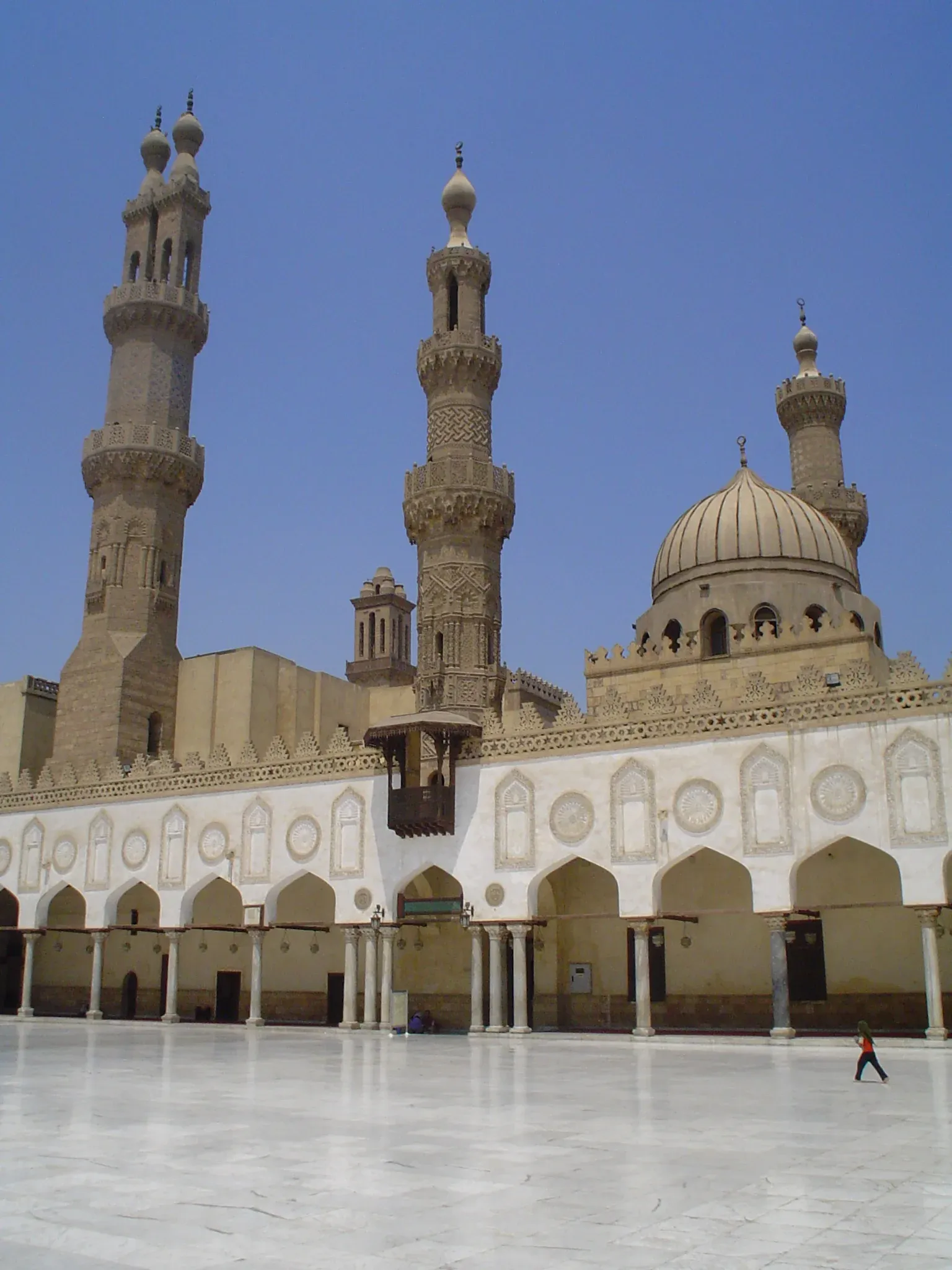
- Hamid al-Din al-KirmaniFatimid da'i in Iraq and philosopher under al-Hakim · d. c. 1021Persian da'i active in Baghdad and Basra under al-Hakim, who refuted the founders of the Druze movement in Cairo and wrote the Rahat al-'aql, with its cosmology of ten Intellects.
- Sitt al-MulkFatimid princess and regent for al-Zahir, 1021–1023 · d. 1023Daughter of al-Aziz and half-sister of al-Hakim, who secured the succession of al-Zahir after al-Hakim's disappearance in 1021 and governed the Fatimid state as regent until her death.
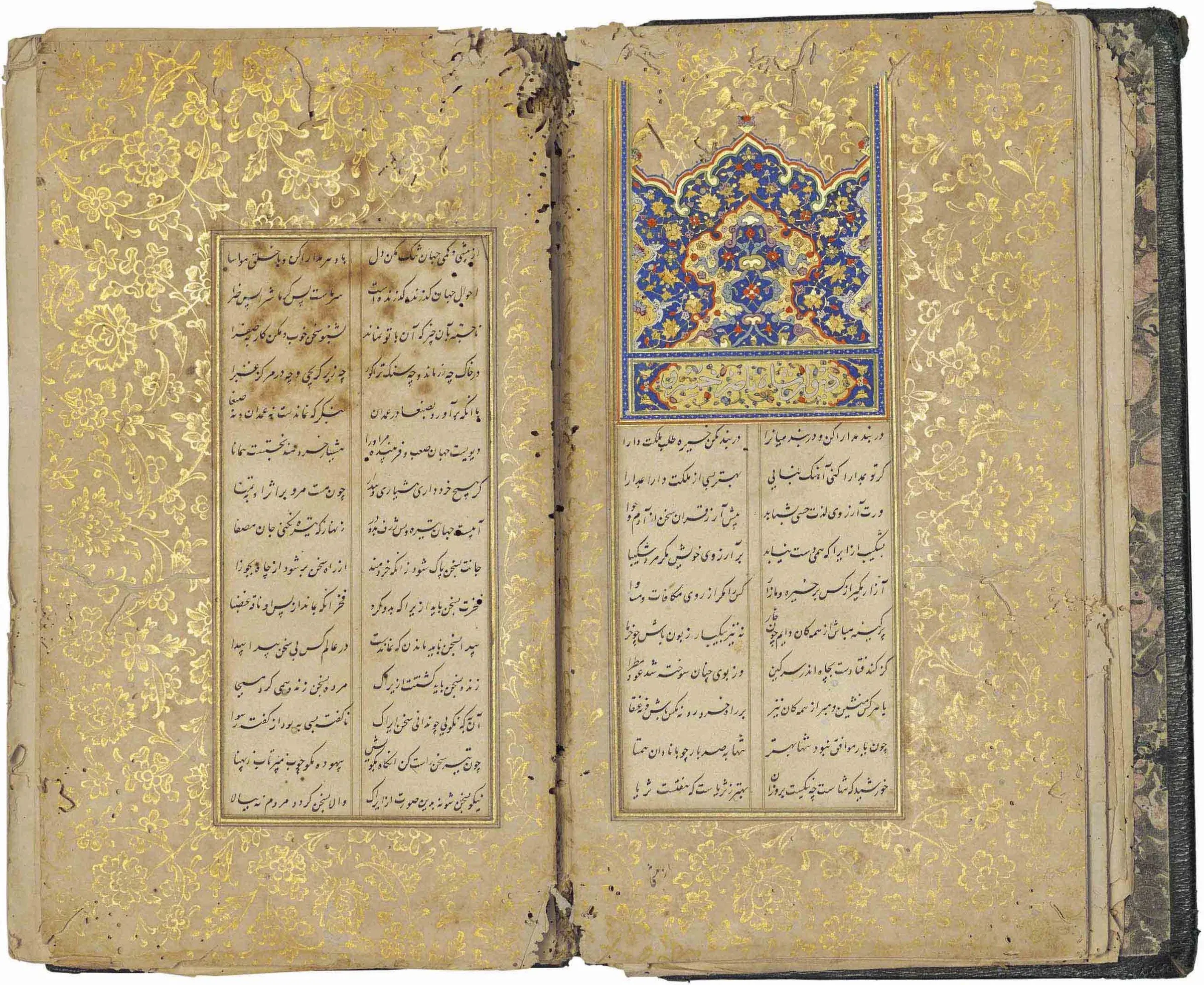
- al-Mu'ayyad fi'l-Din al-ShiraziChief da'i of al-Mustansir, scholar and poet · d. 1078Persian da'i from Shiraz who directed Fatimid policy in the al-Basasiri affair, served as chief da'i from 1058 and delivered the 800 lectures of the Majalis al-Mu'ayyadiyya.
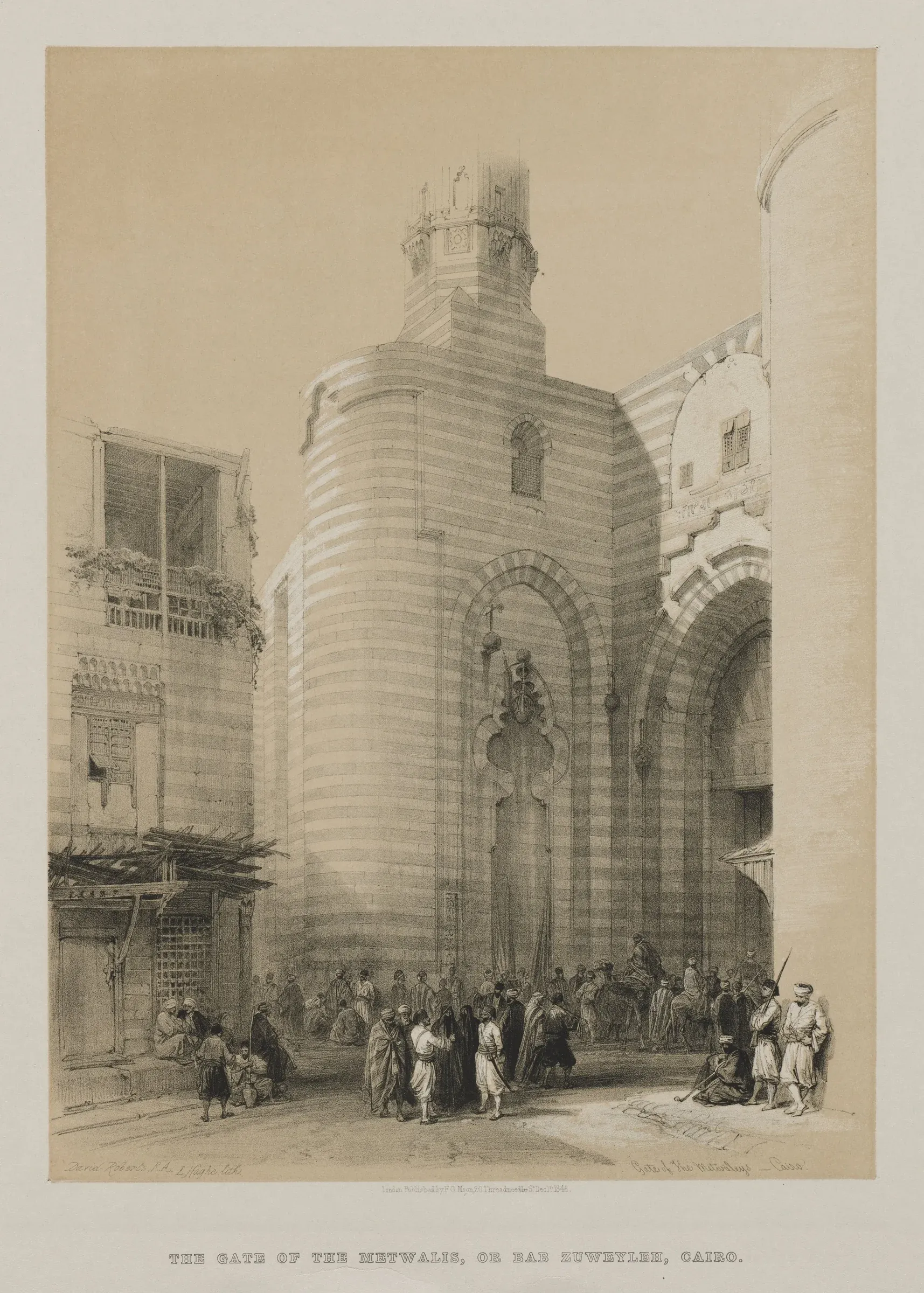
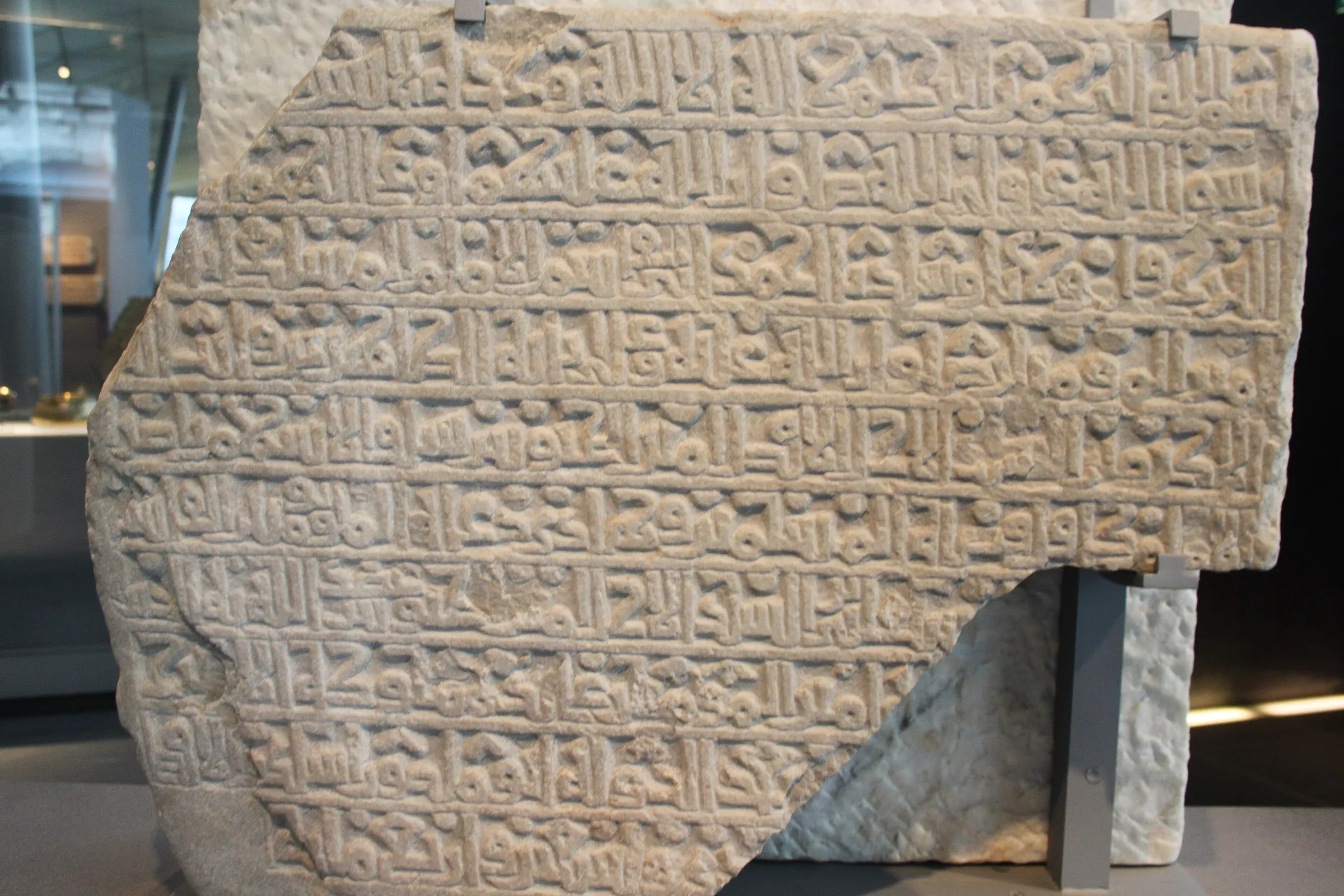
- Hasan-i SabbahIsmaili da'i, founder of the Nizari state at Alamut · d. 1124Persian da'i who seized Alamut in 1090, led the Nizari Ismailis after 1094 and built a state of mountain fortresses that lasted 166 years.
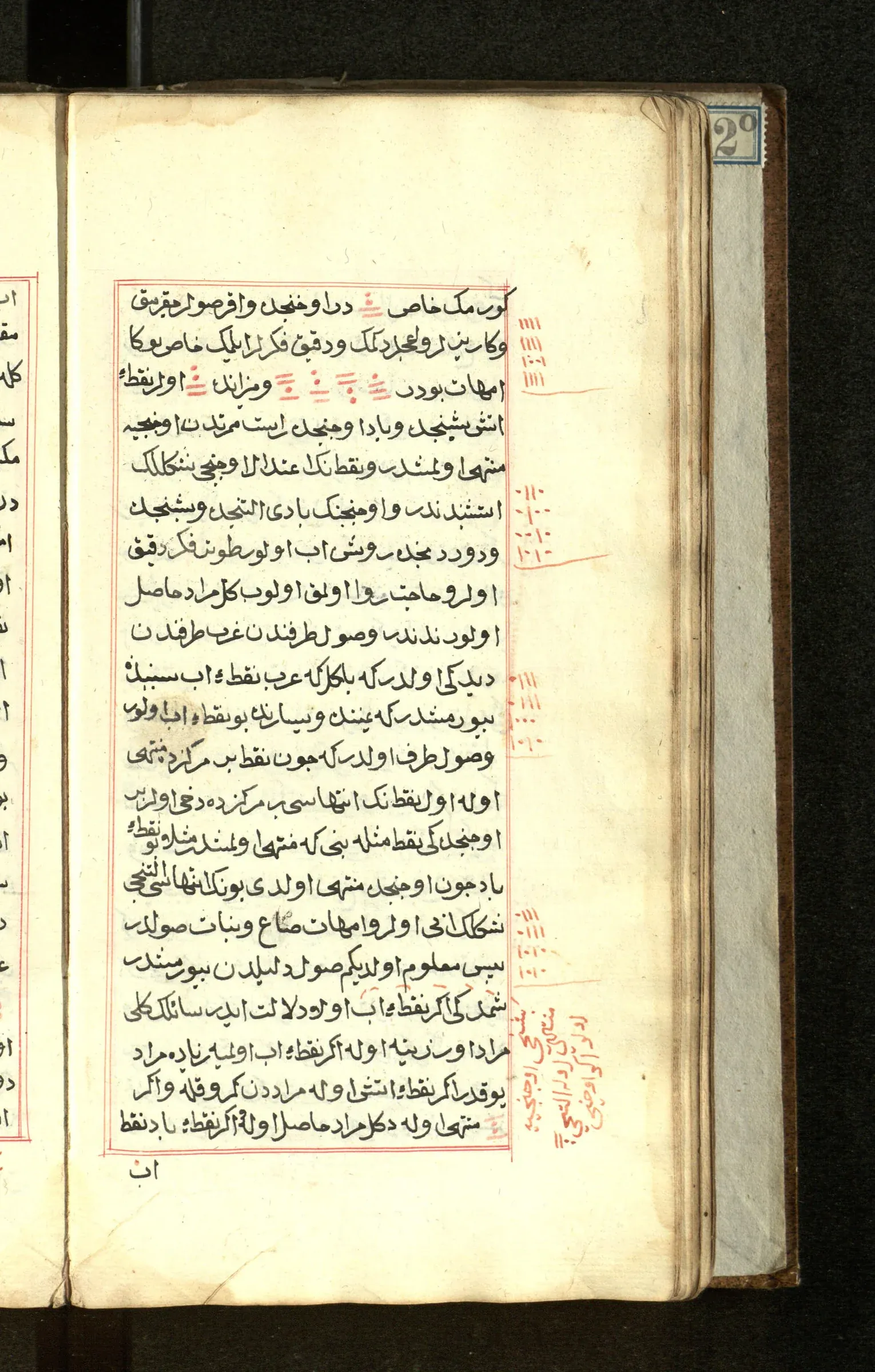
- Nizari QuhistaniPersian poet; the first known Nizari Ismaili poet after the fall of Alamut · d. c. 1320Hakim Sa'd al-Din Nizari Quhistani (1247–c. 1320), Persian poet from Birjand, the first post-Alamut Nizari author, who veiled Ismaili ideas in Sufi poetry and met the Imam in Adharbayjan.
- Pir Hasan Kabir al-DinPir of Satpanth tradition at Uch · d. c. 1470Son and successor of Pir Sadr al-Din at Uch, linked to the Suhrawardi order, buried at the shrine of Hasan Darya. Rival Ismaili and Imamshahi lines descend from his sons.
- Imam Shah (Imam al-Din Abd al-Rahim)Sayyid and preacher at Pirana, eponym of the Imamshahi tradition · d. 1513Pir Hasan Kabir al-Din's son, who settled at Pirana near Ahmadabad and died there in 1513; the Imamshahi sect grew from his shrine after his son's break with the Nizari Imams.
- Shah Tahir al-Husayni DakkaniThirty-first Imam of the Muhammad-Shahi Nizari line; theologian, poet and diplomat of the Nizam-Shahi court of Ahmadnagar · d. c. 1549Shah Tahir Dakkani (d. c. 1549), the most famous Muhammad-Shahi Nizari Imam, fled Safavid Persia for the Deccan, where he led Ahmadnagar to adopt Twelver Shi'ism in 1537.
- Muhammad Ali JinnahFounder of Pakistan; political opponent and later ally of Aga Khan III · d. 1948Muhammad Ali Jinnah and Aga Khan III: opponents over separate electorates in 1906, allies from 1928 and at the Round Table Conferences, and the Aga Khan's assessment of the Quaid-i-Azam.


- Abu Ishaq QuhistaniNizari Ismaili author of the Haft bab, the first Persian doctrinal treatise after AlamutAbu Ishaq Quhistani, Nizari author from Quhistan in the late 15th century, wrote the Haft bab, the earliest Persian Ismaili doctrinal work of the Anjudan revival.
- Khayrkhwah-i HaratiNizari da'i and pir of Khurasan, chief doctrinal author of the Anjudan periodMuhammad Rida ibn Sultan Husayn, Khayrkhwah-i Harati (d. after 1553), Nizari da'i of Khurasan, prolific author on the pir and witness to the Anjudan Imams' court.
- Pir Sadr al-DinPir of Satpanth tradition, organiser of the Khoja communityThe pir credited with converting the Lohanas, naming them Khojas, founding the first jamatkhanas and composing more ginans than any other author.
- Pir Satgur NurLegendary first Nizari pir in GujaratThe first pir of Satpanth tradition, remembered as the preacher of Patan in Gujarat. His dates and identity are uncertain, and the story of a royal convert cannot be confirmed.
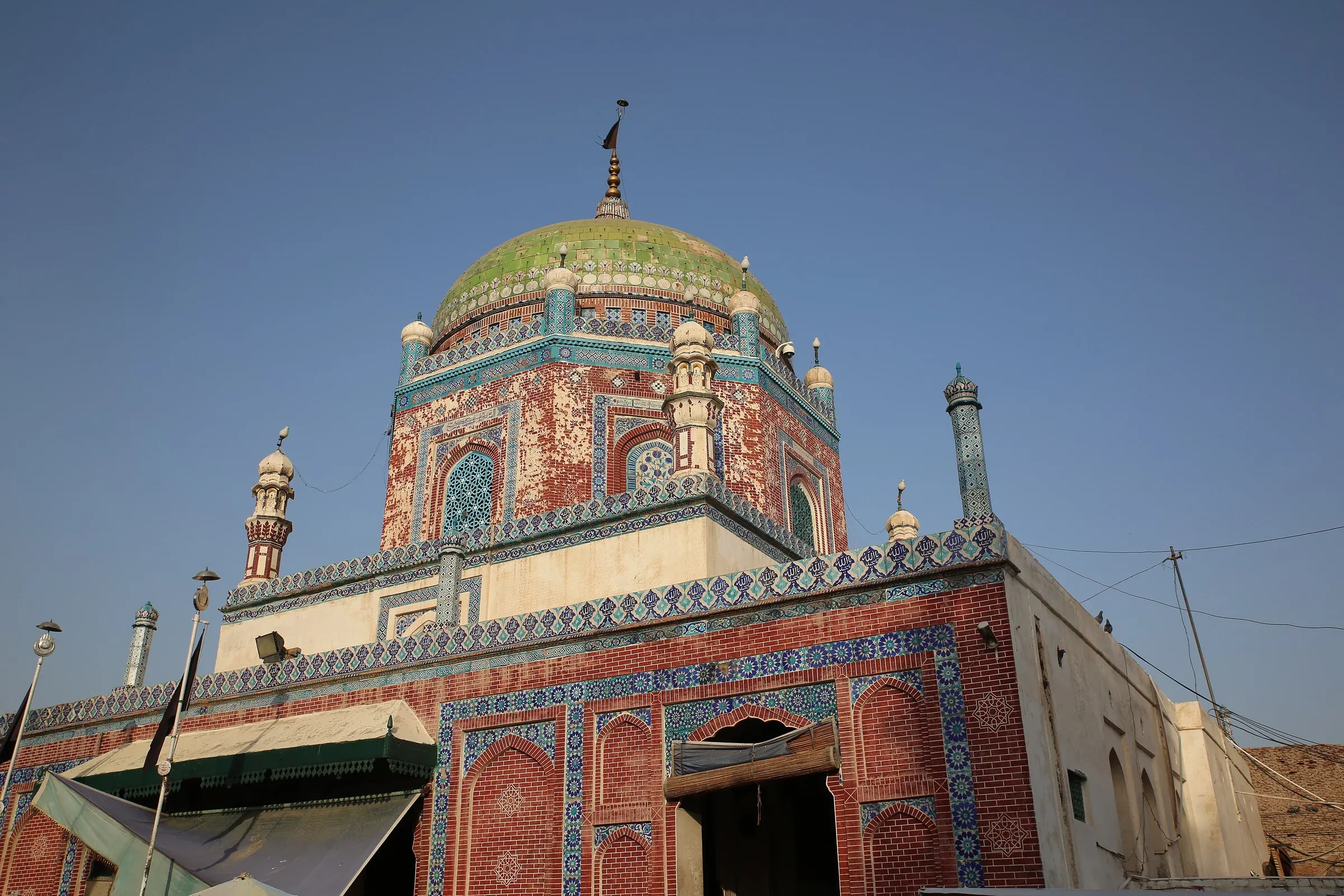
- Pir Taj al-DinLast pir appointed in Sadr al-Din's lineBrother of Pir Hasan Kabir al-Din, appointed pir in the late fifteenth century over his nephews; accused over the tithes, he died in Sindh, the last pir of the line.
- Prince Amyn Aga KhanBrother of Aga Khan IV; AKDN director and patron of the artsPrince Amyn Aga Khan (born 1937), younger brother of Aga Khan IV: Harvard, the UN Secretariat, AKFED and Serena, the Aga Khan Museum, and patronage of the arts.