Topics
Long-form explainers on ideas, institutions, texts and events across Ismaili history.
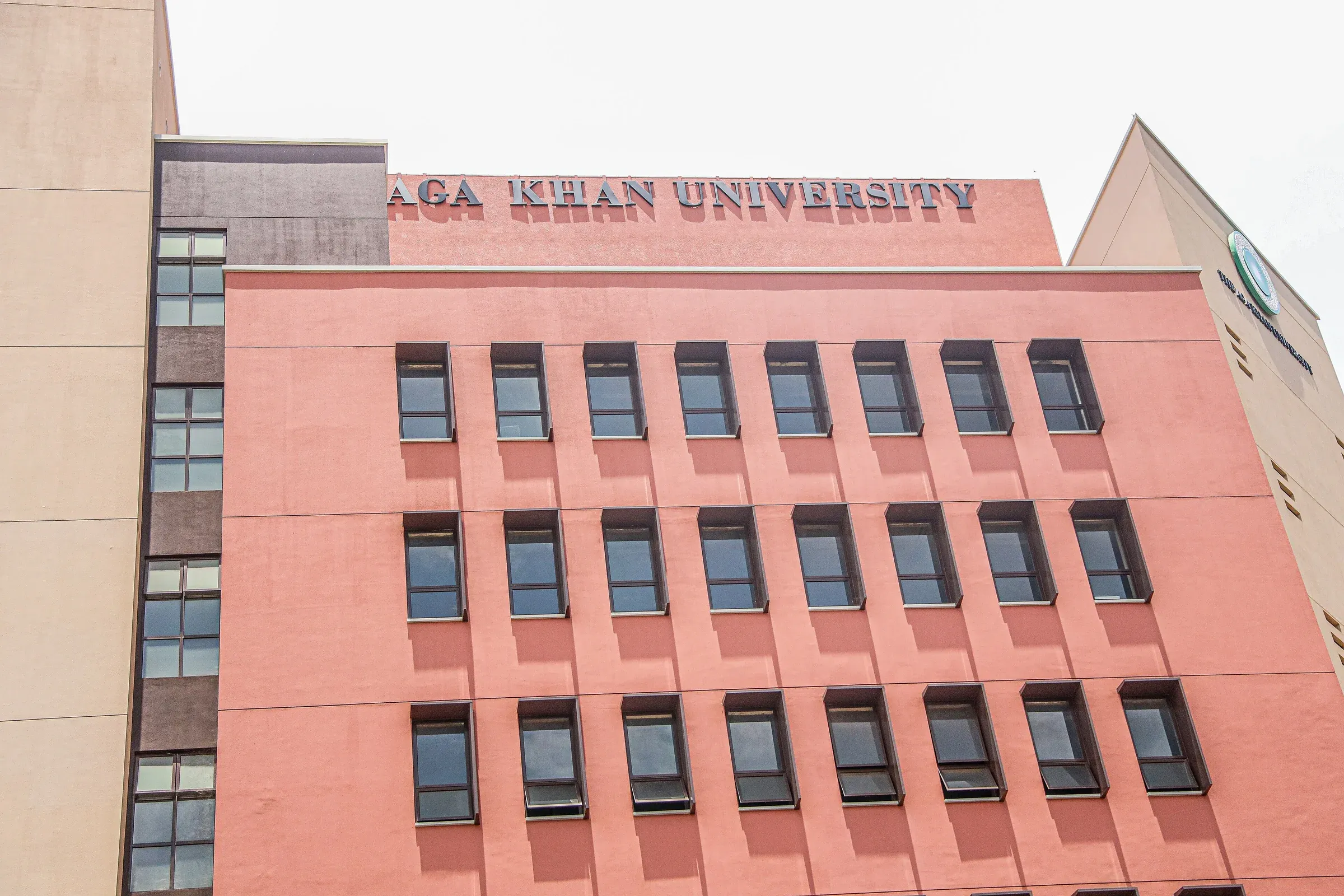
Aga Khan UniversityTopicAga Khan University from its 1983 Pakistani charter to campuses in East Africa, Afghanistan and London: hospitals, nursing and medical colleges, ISMC, the Kenya charter and Kampala.
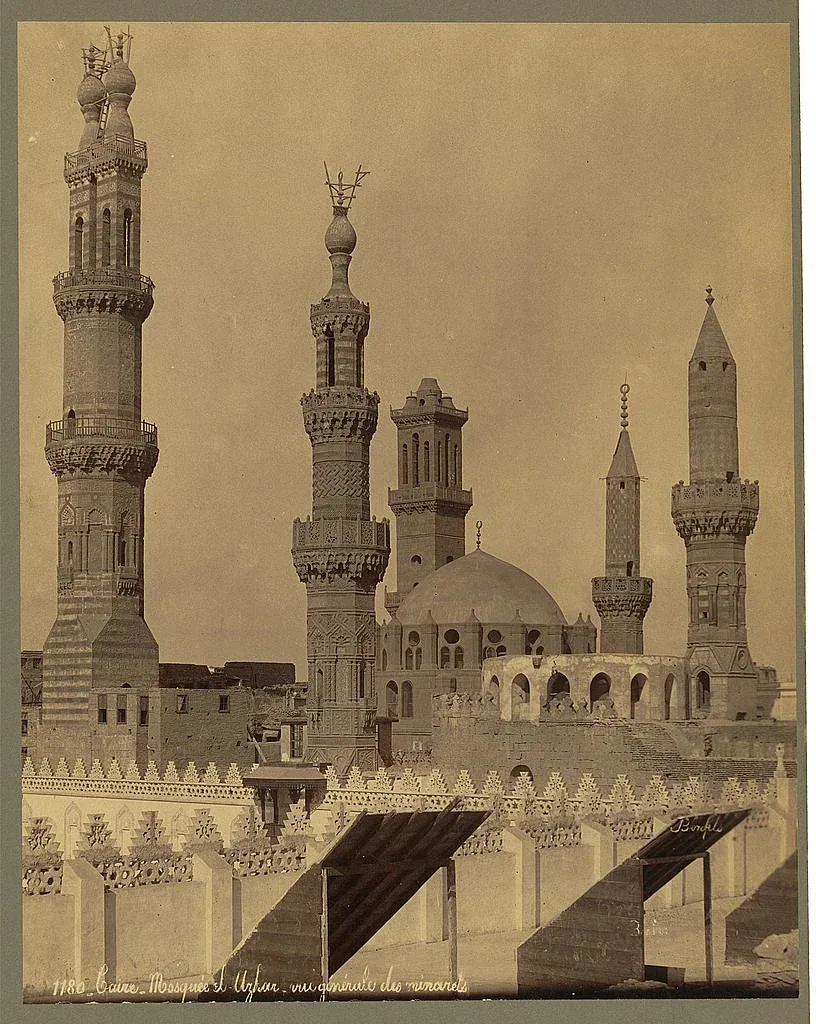
Al-Azhar under the FatimidsTopicThe Fatimid history of al-Azhar as an institution: Friday law lectures, Ibn Killis's college of 988, the sessions for women, and the scholarly debate over the 'oldest university'.
- Branches of IsmailismTopicHow the Ismailis divided: Qarmatis, Druze, Nizaris and Musta'lis, Hafizis and Tayyibis, Daudi, Sulaymani and Alawi Bohras, Qasim-Shahis, Muhammad-Shahis and Imam-Shahis.
- Dawr al-satr: the period of concealmentTopicThe century and a half between Muhammad b. Isma'il's flight from Medina and the Fatimid proclamation of 909: the hidden Imams, the genealogy debate, the hujja, and the doctrines taught in secret.
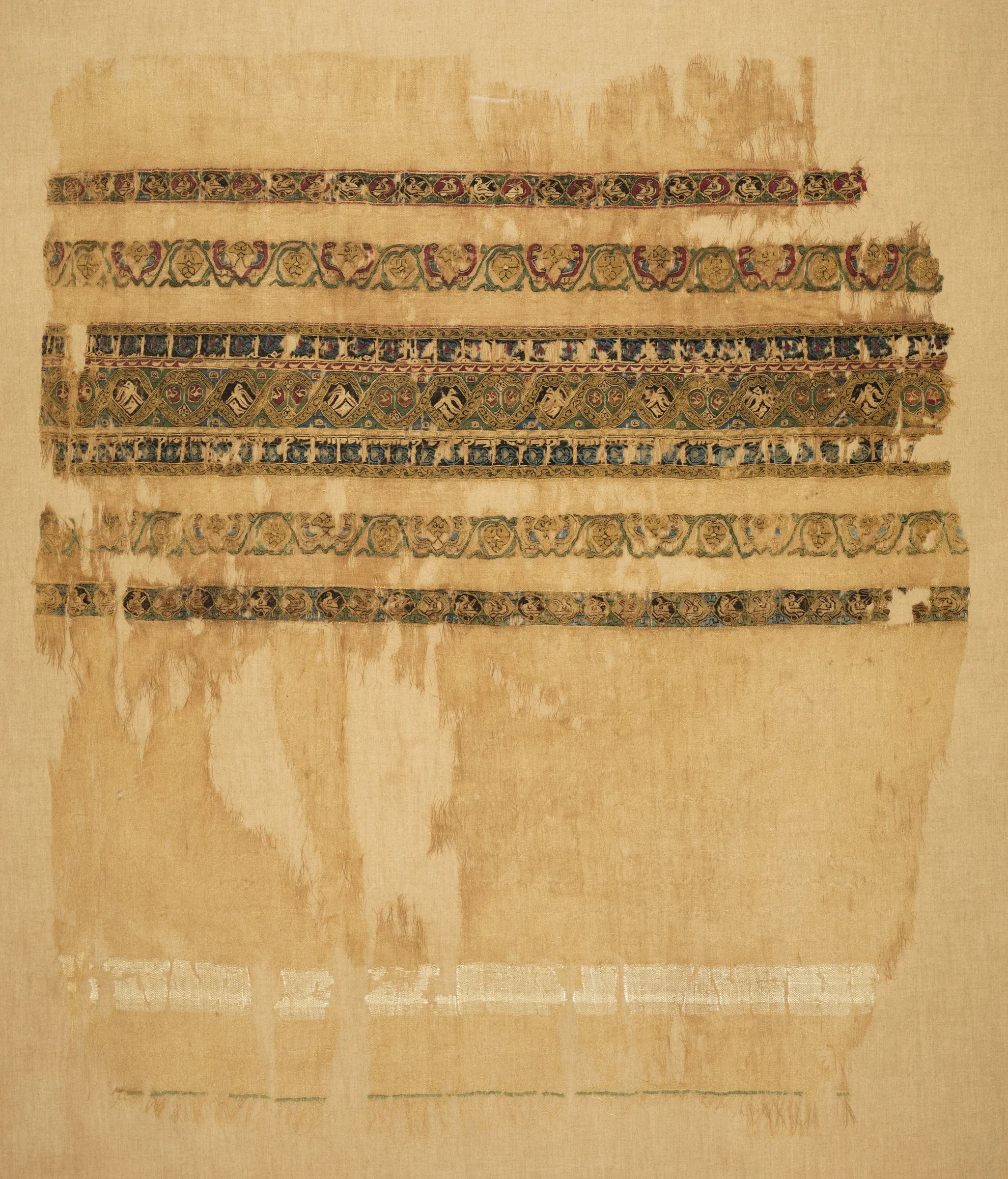
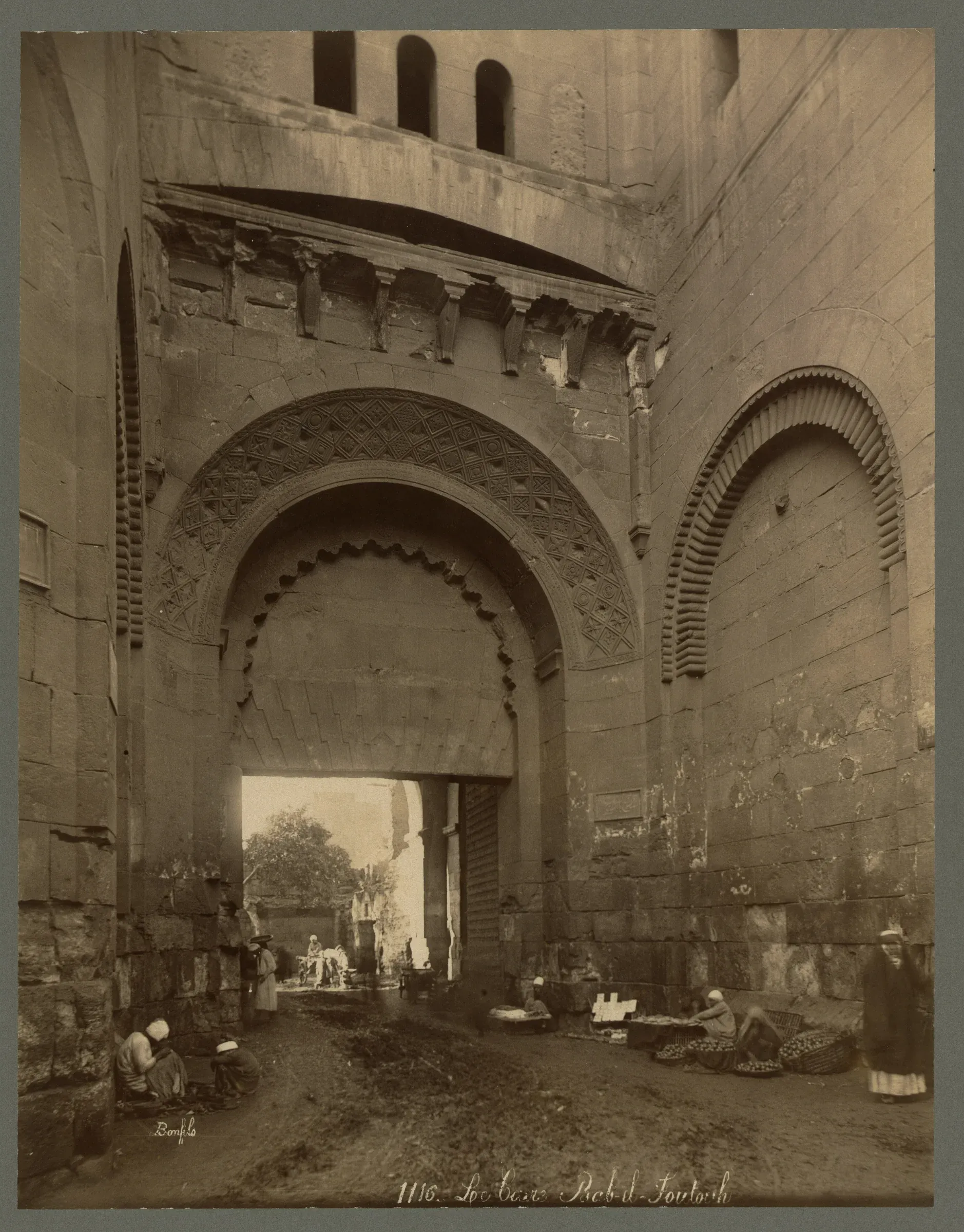
Fatimid Art and ArchitectureTopicThe mosques, gates and decorative arts of the Fatimids: al-Azhar, al-Hakim, the Juyushi mashhad, Badr al-Jamali's gates, al-Aqmar, and the lustreware, rock crystal and tiraz of Cairo.
Fatimid CairoTopicAl-Qahira as the Fatimid royal city: its plan, palaces, quarters and mosques, its relation to Fustat, its festivals, and Nasir Khusraw's eyewitness account of the city in 1047–1050.
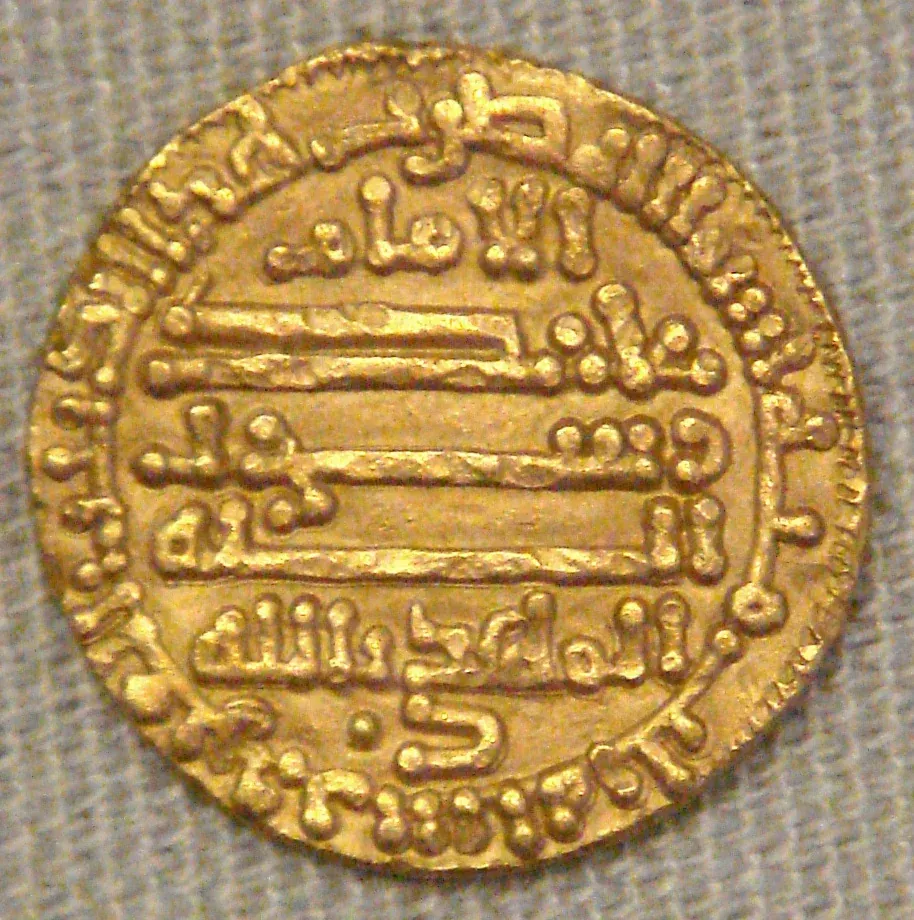
Fatimid CoinageTopicHow the Fatimids used gold coins and the Friday sermon as twin marks of sovereignty: the coins of the da'wa, the gold of Sijilmasa, the Mu'izzi dinar, and coins naming heirs, rivals and pretenders.
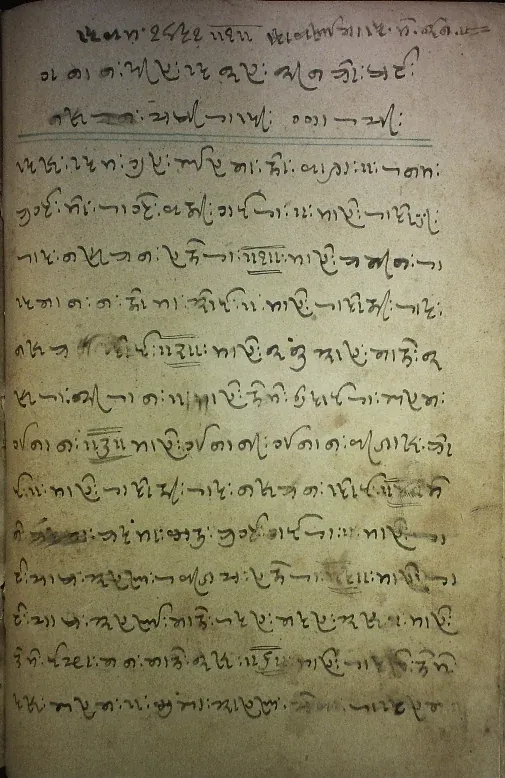
GinansTopicThe devotional hymns of the Satpanth Ismailis of South Asia: their language, authorship, themes, music, manuscripts, printing and changing place in Khoja religious life.
- Ismaili calendar and festivalsTopicThe calendars Ismailis have used, from the lunar hijri year and the computed Fatimid calendar of the Bohras to the Persian solar year, and the festivals of each branch.
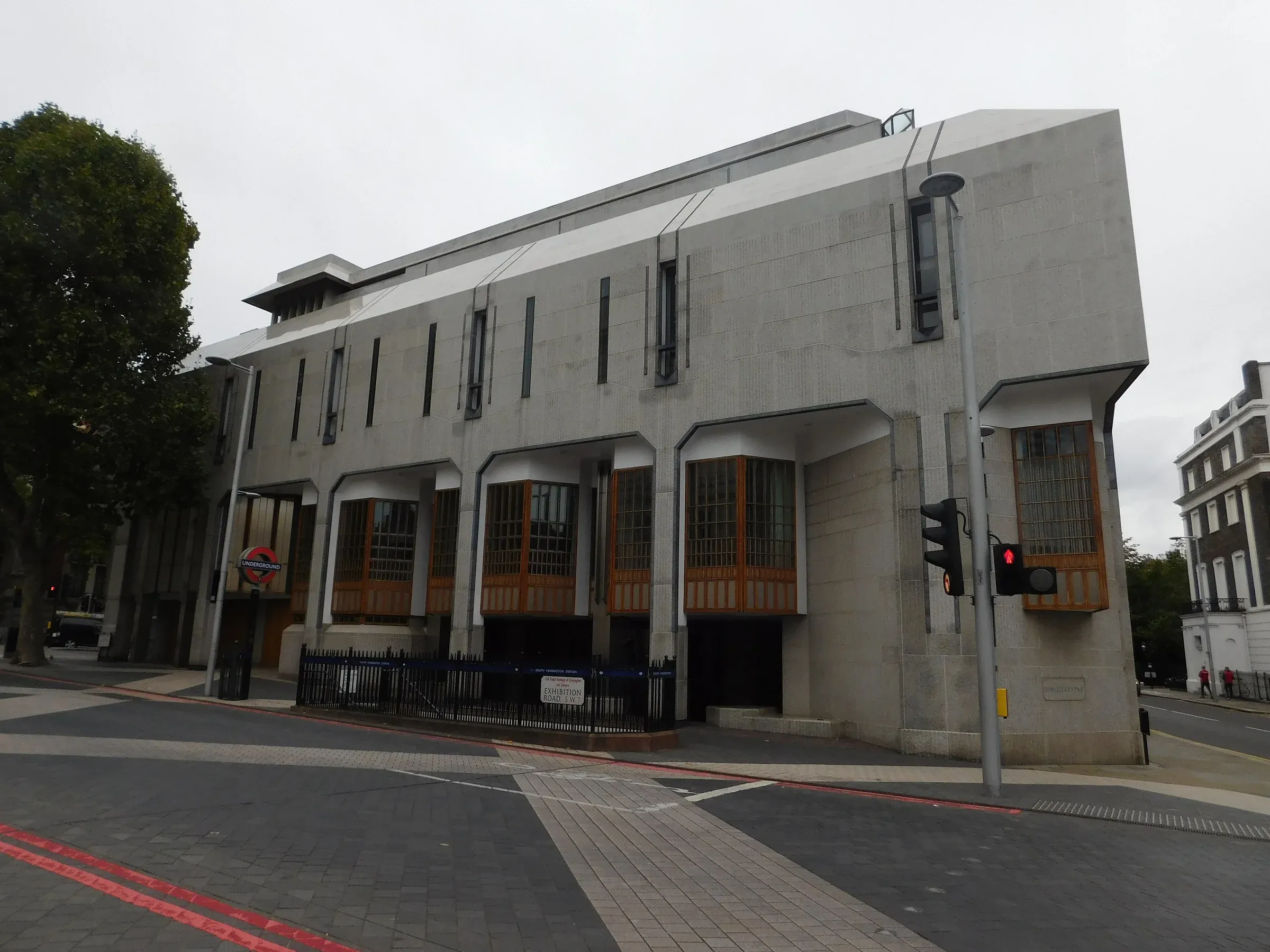
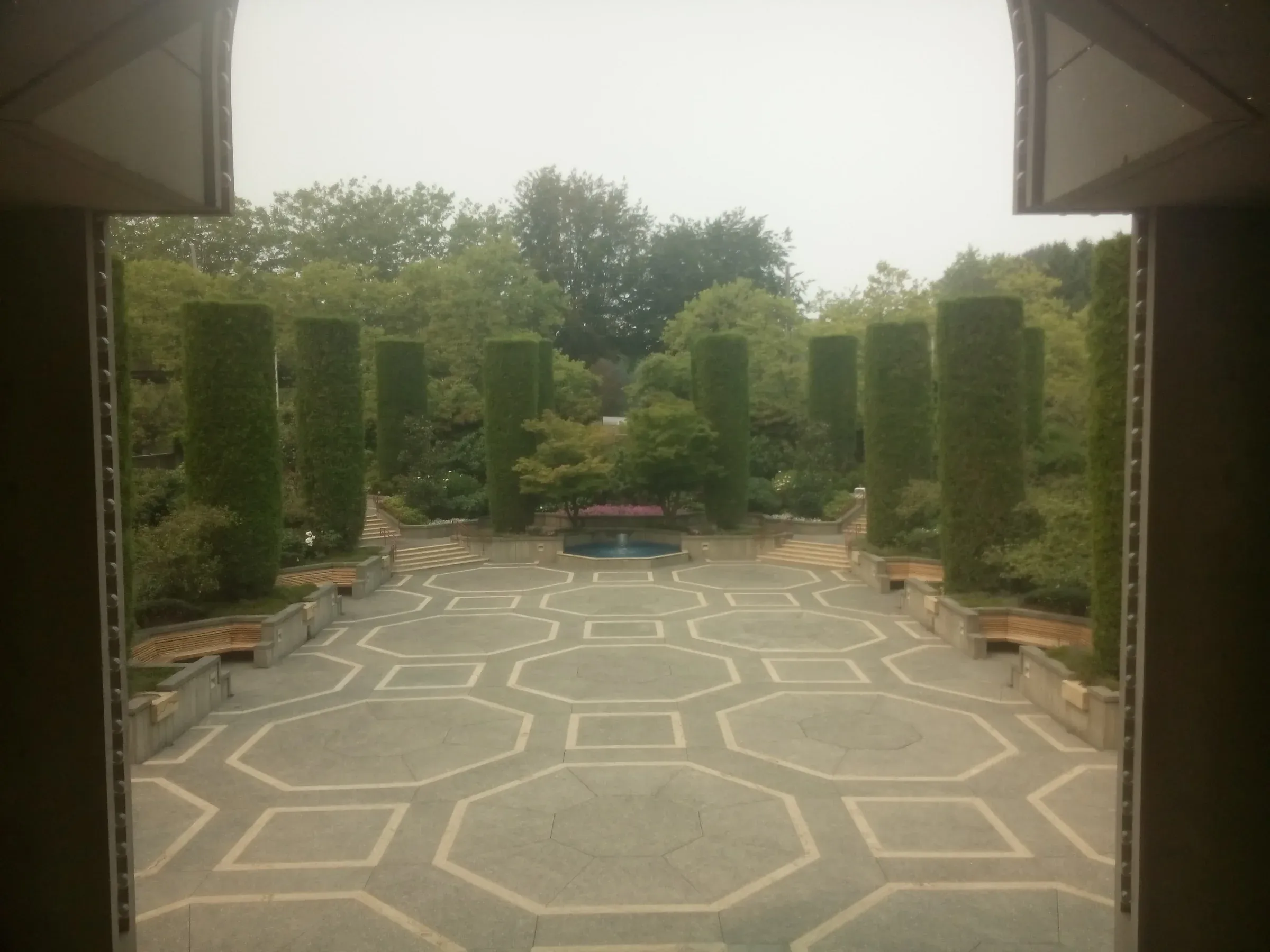
Ismaili CentresTopicThe Ismaili Centres of London (1985), Burnaby (1985), Lisbon (1998), Dubai (2008), Dushanbe (2009), Toronto (2014) and Houston (2025): their founding, architects, openings and purpose.
Ismailis TodayTopicThe Nizari Ismailis today: numbers and distribution, the Imamat of Aga Khan V, the constitution and councils, and AKDN work in South and Central Asia, Syria, Africa and the West.
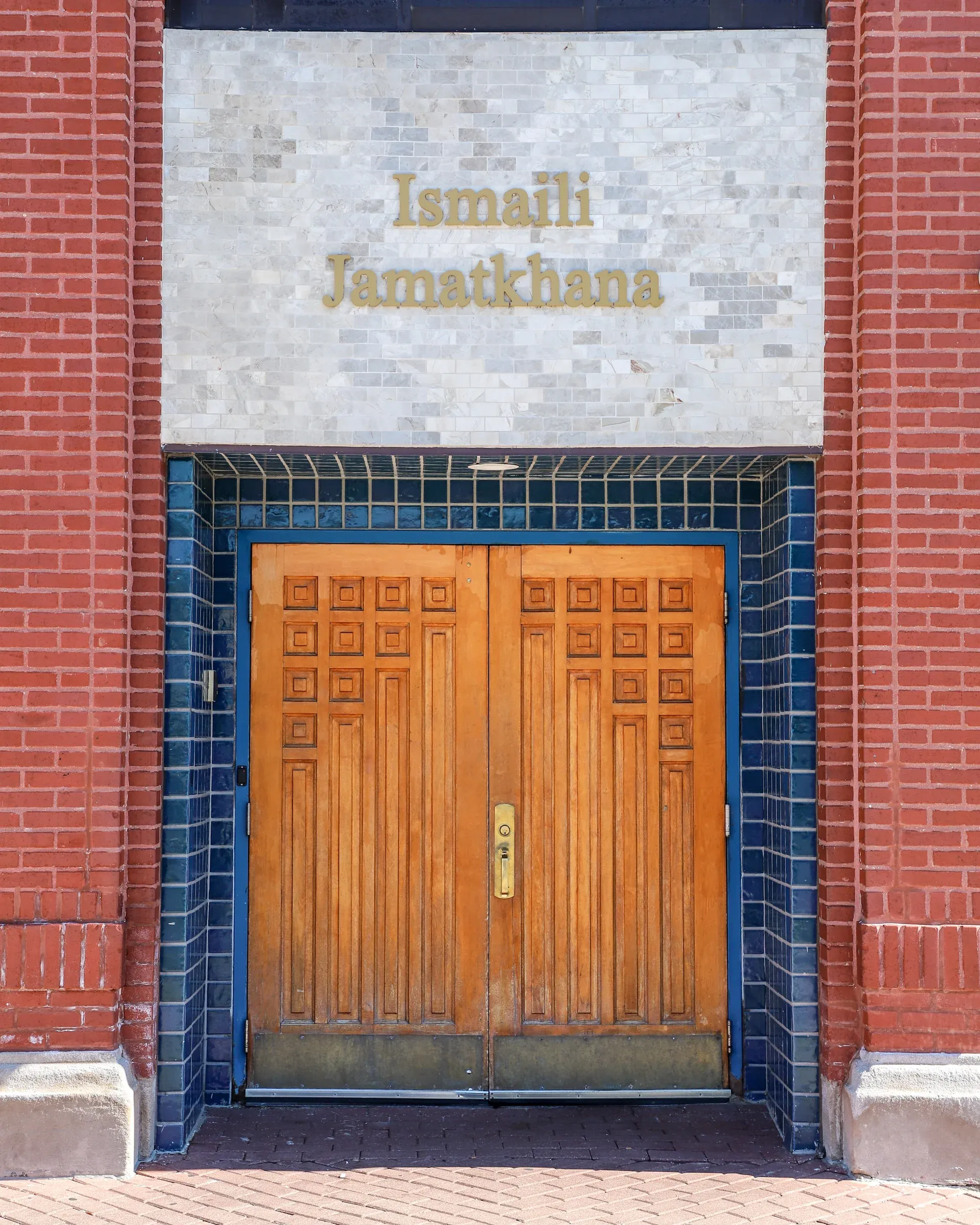
JamatkhanaTopicThe Ismaili house of congregation: its South Asian origins under the pirs, its officers the mukhi and kamadia, its role in Bombay's Khoja disputes and its spread worldwide.
Musta'lians, Tayyibis and BohrasTopicThe Musta'lian Ismailis after 1094: the Hafizi–Tayyibi split of 1130–32, the Tayyibi da'wa in Yemen under its da'i mutlaqs, its move to Gujarat, and the Da'udi, Sulaymani and Alawi Bohras.
- SatpanthTopicThe 'true path': the South Asian form of Nizari Ismailism taught by the pirs, its Indic and Sufi idioms, its debated origins, its branches and its modern divergence.
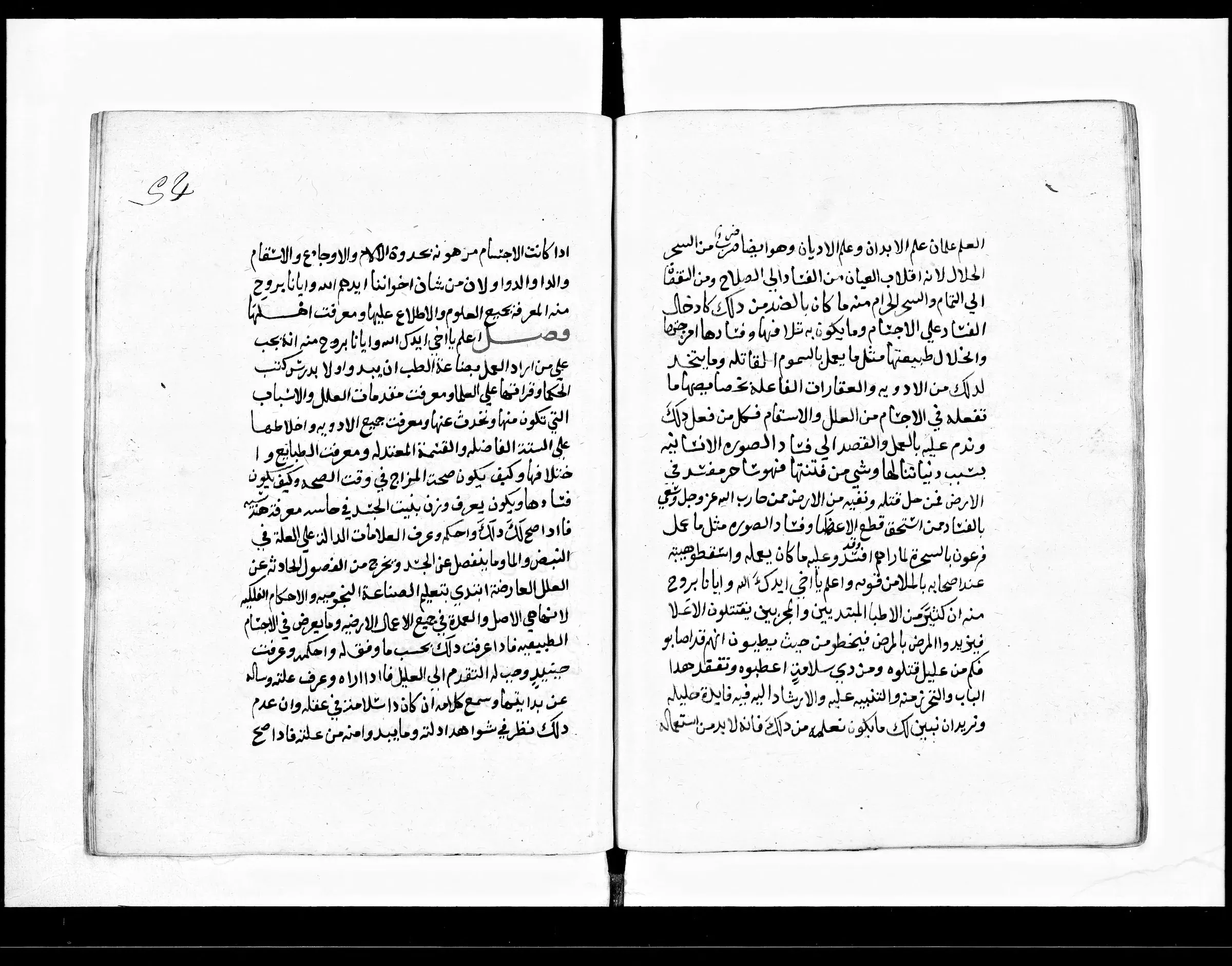
Sources and methodTopicWhat we know about Ismaili history and how: Ismaili texts, hostile polemics, Crusader legends, orientalist scholarship and the modern recovery of manuscripts.
- TaqiyyaTopicTaqiyya, the Shi'i principle of precautionary concealment of faith, and how the Nizari Ismailis practised it after Alamut: as Sufis, Sunnis, Twelver Shi'is and in Indian forms.
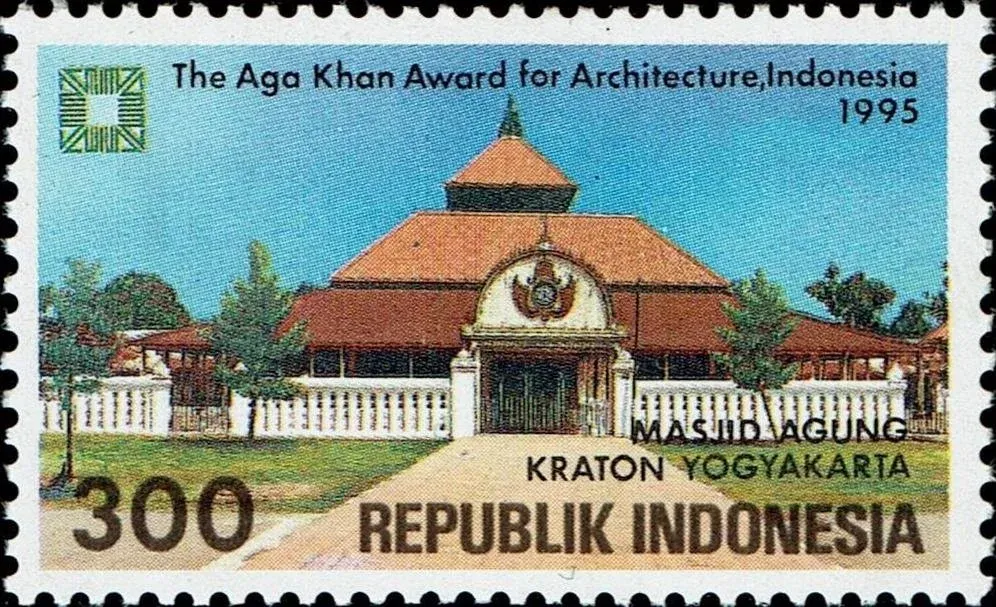
The Aga Khan Award for ArchitectureTopicThe triennial Aga Khan Award for Architecture, founded in 1977: purpose, steering committee and master jury, the US$1 million prize, ceremony sites, and the winners of 2022 and 2025.
The Aga Khan Case of 1866TopicThe Bombay High Court suit in which Sir Joseph Arnould ruled that the Khojas were Shia Imami Ismailis and the Aga Khan their hereditary Imam, with rights over their dues and property.
The Aga Khan Development Network (AKDN)TopicThe agencies of the Aga Khan Development Network: origins, legal structure, the nine agencies, funding, scale and the network's place in the work of the Ismaili Imamat.
The Aga Khan Museum, TorontoTopicThe Aga Khan Museum in Toronto, opened 18 September 2014: the family collections behind it, the choice of Toronto, Fumihiko Maki's building, the park and the collection of 1,200 works.
The Aga Khan titleTopicHow a Qajar honorific given to a thirteen-year-old Imam in 1817 became the hereditary title of the Nizari Ismaili Imams: its origin, meaning, spellings and later use.
The Anjudan revivalTopicHow the Qasim-Shahi Nizari Imams, from a village in central Persia, rebuilt the da'wa between about 1460 and 1680: Sufi guise, new literature, reorganised pirs and contact with India and Central Asia.
The Assassins legendTopicHow the word 'assassin' and the tales of hashish, a garden of paradise and suicidal devotees grew from Muslim abuse and Crusader rumour, and what historians now know of the Nizaris.
- The Dar al-'IlmTopicThe House of Knowledge founded by al-Hakim in Cairo in 1005: a public academy and library, endowed in 1010, later the seat of the chief da'i and, after 1123, a da'wa institution.
- The Diamond Jubilee and the Jubilees of Aga Khan IIITopicThe Golden (1935-36), Diamond (1946) and Platinum (1954-55) Jubilees of Aga Khan III: the weighing ceremonies, the funds raised, and the institutions they paid for.
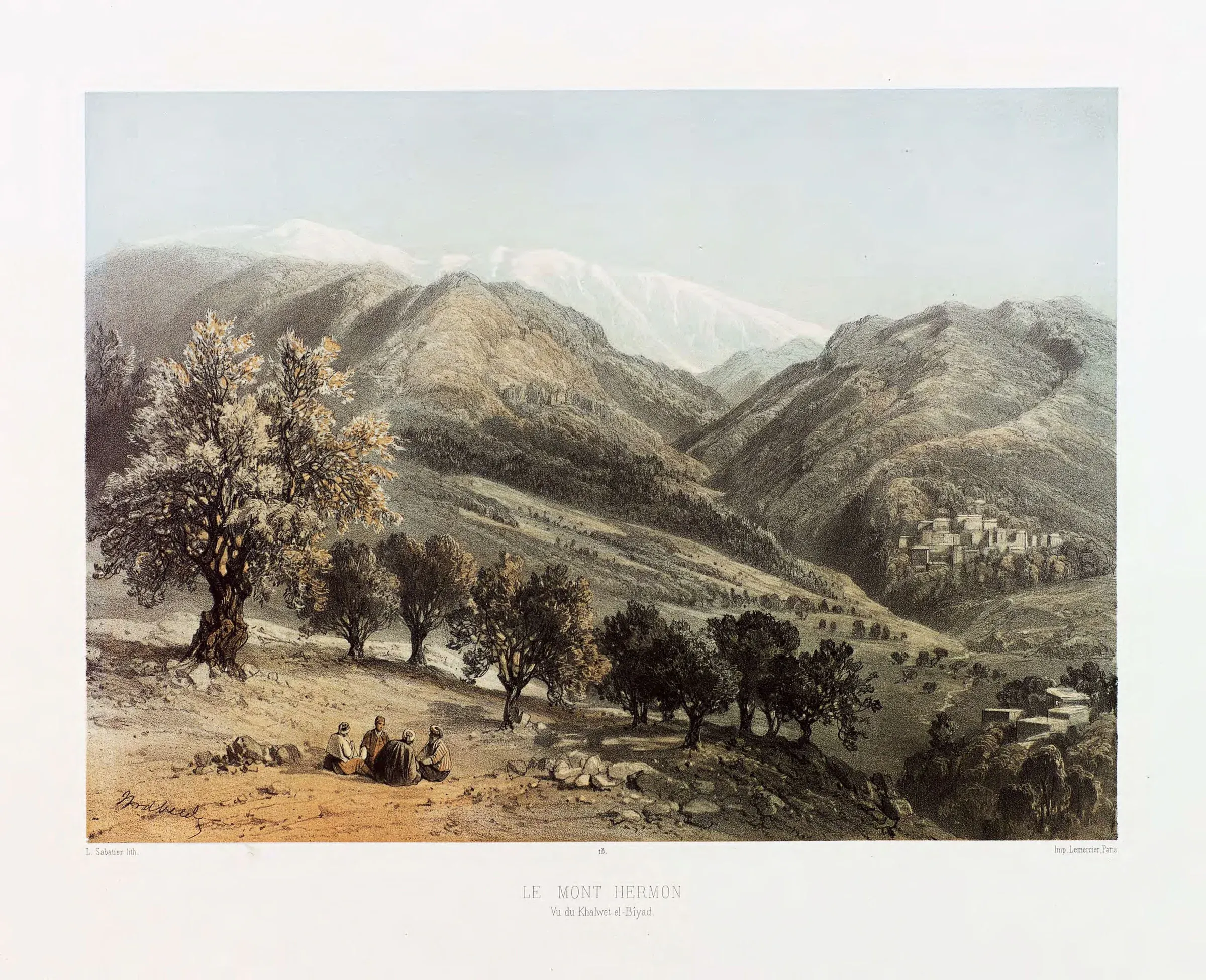
The DruzeTopicHow a movement proclaiming the divinity of al-Hakim arose among da'is in Cairo from 1017, was opposed by the Fatimid da'wa, and became the closed Druze community of Syria and Lebanon.
The early Ismaili da'waTopicThe mission of the hidden Imams, c. 874–909: its names, ranks and methods, its campaigns from Iraq to the Maghrib, its social base, and how it brought the Fatimids to power.
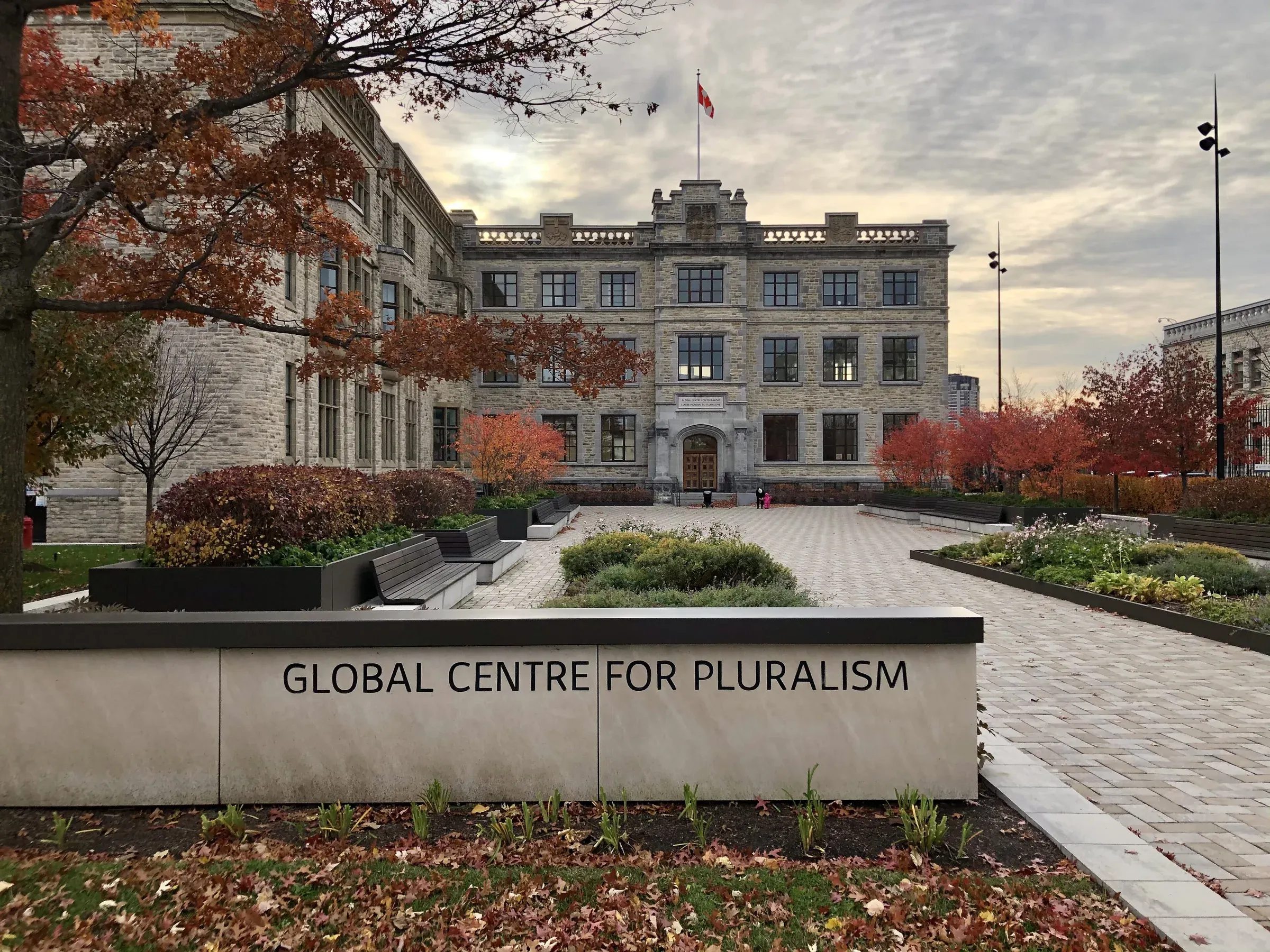
The Global Centre for PluralismTopicThe Global Centre for Pluralism in Ottawa, founded by Aga Khan IV and Canada: the 2005 partnership, the funding agreement, 330 Sussex Drive, the 2017 headquarters and the Pluralism Award.
The Ikhwan al-Safa and their EpistlesTopicThe Brethren of Purity: who wrote the 52 Rasa'il, when and where, their Ismaili connection, their Neoplatonic encyclopedia, and their later life among the Tayyibis.
The ImamatTopicThe Ismaili doctrine of the Imamate, its roots in Shia thought, and the history of the line of Imams from Ali to the Aga Khans.
- The Ismaili ConstitutionTopicFrom the Zanzibar rules of 1905 to the worldwide constitution of 1986: councils, personal law, tribunals and religious boards in the Nizari community.
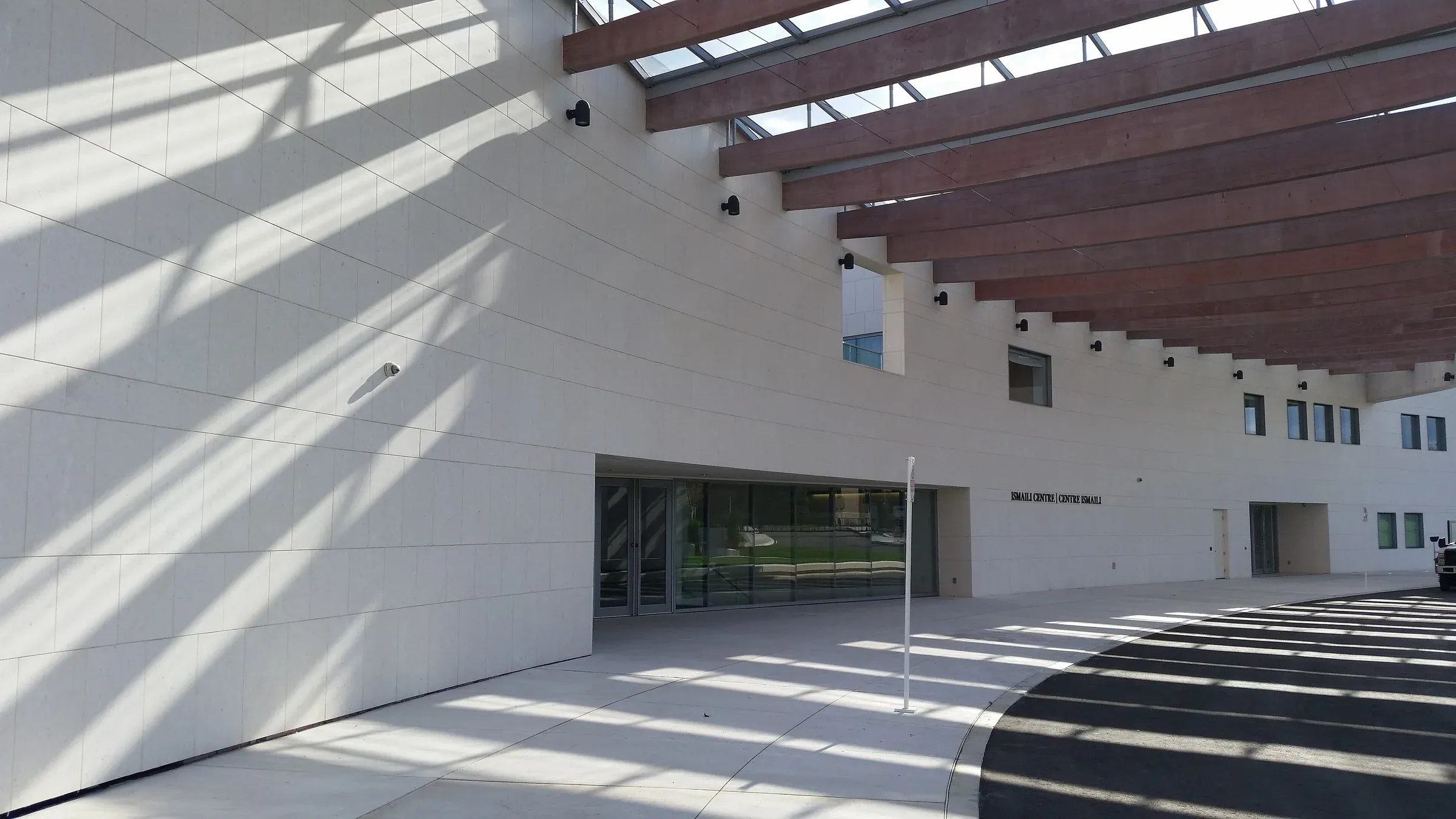
The Ismaili DiasporaTopicHow Nizari Ismailis settled in Canada, the United Kingdom, Portugal and the United States after decolonisation: the Ugandan expulsion of 1972, Mozambique, and relations with host states.
The Ismailis of Central AsiaTopicThe Nizari Ismailis of Badakhshan and the Pamirs: the tradition of Nasir Khusraw, the 1895 border, Soviet isolation from 1925 to 1991, the Tajik civil war and the return of contact with the Imam.
The Ismailis of East AfricaTopicKhoja Ismaili settlement in Zanzibar, Tanganyika, Kenya and Uganda from the 1820s: trade, the 1905 constitution, schools and finance under Aga Khan III, independence, Africanization and emigration.
The Ismailis of SyriaTopicThe Nizari Ismailis of Syria from the Mamluk and Ottoman centuries to the present: Masyaf and Qadmus, the resettlement of Salamiyya in 1843, and the community under the Aga Khans.
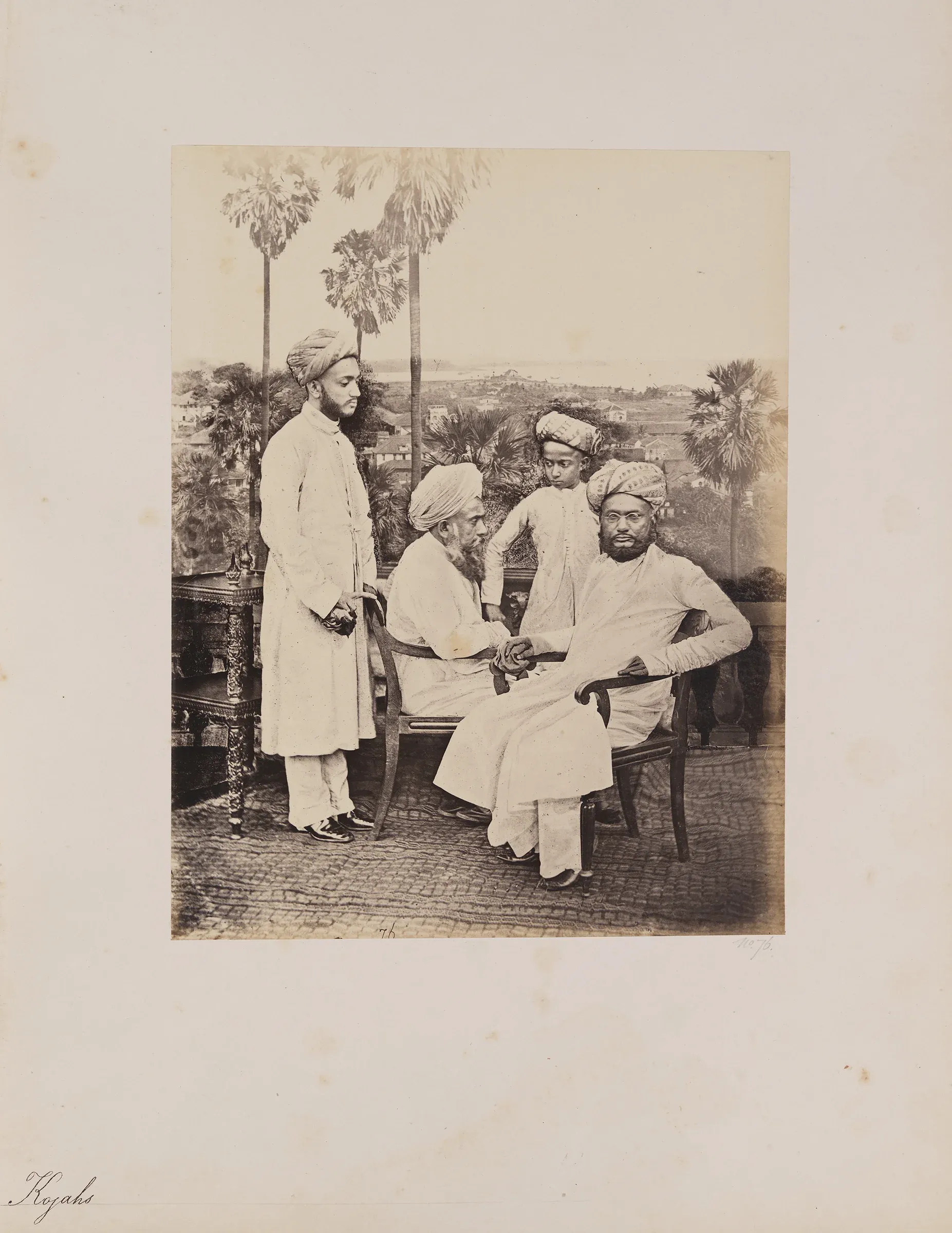
The KhojasTopicThe Khoja caste of Sindh, Kutch, Kathiawar and Gujarat: origins in Satpanth tradition, caste institutions, pilgrimage to Persia, the Bombay lawsuits and the three modern Khoja communities.
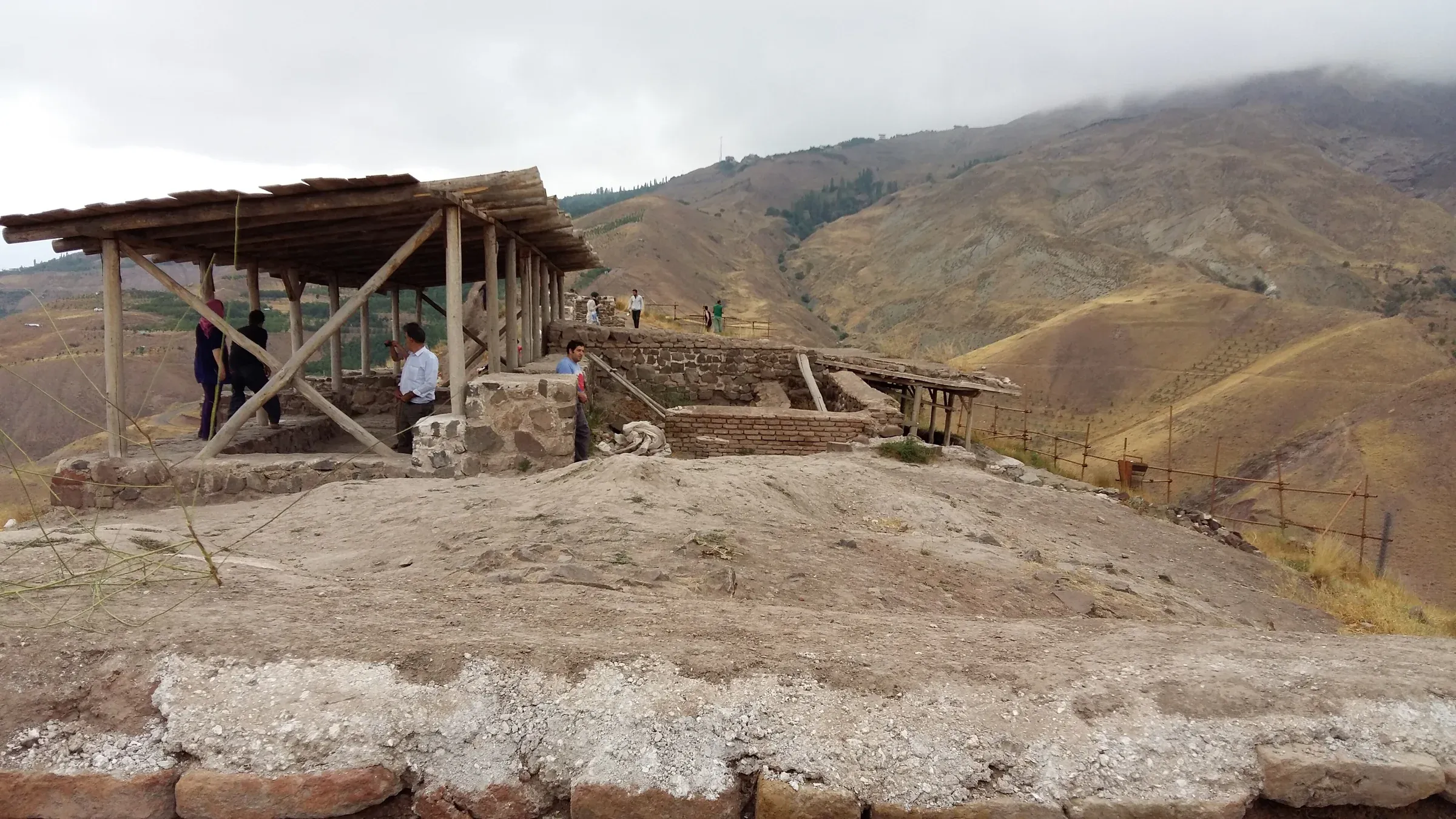
The library of AlamutTopicThe Nizari library at Alamut: what it held, who used it, the books burned for the Qazwin scholars after 1210, and Juvayni's selection and burning of the collection in 1256.
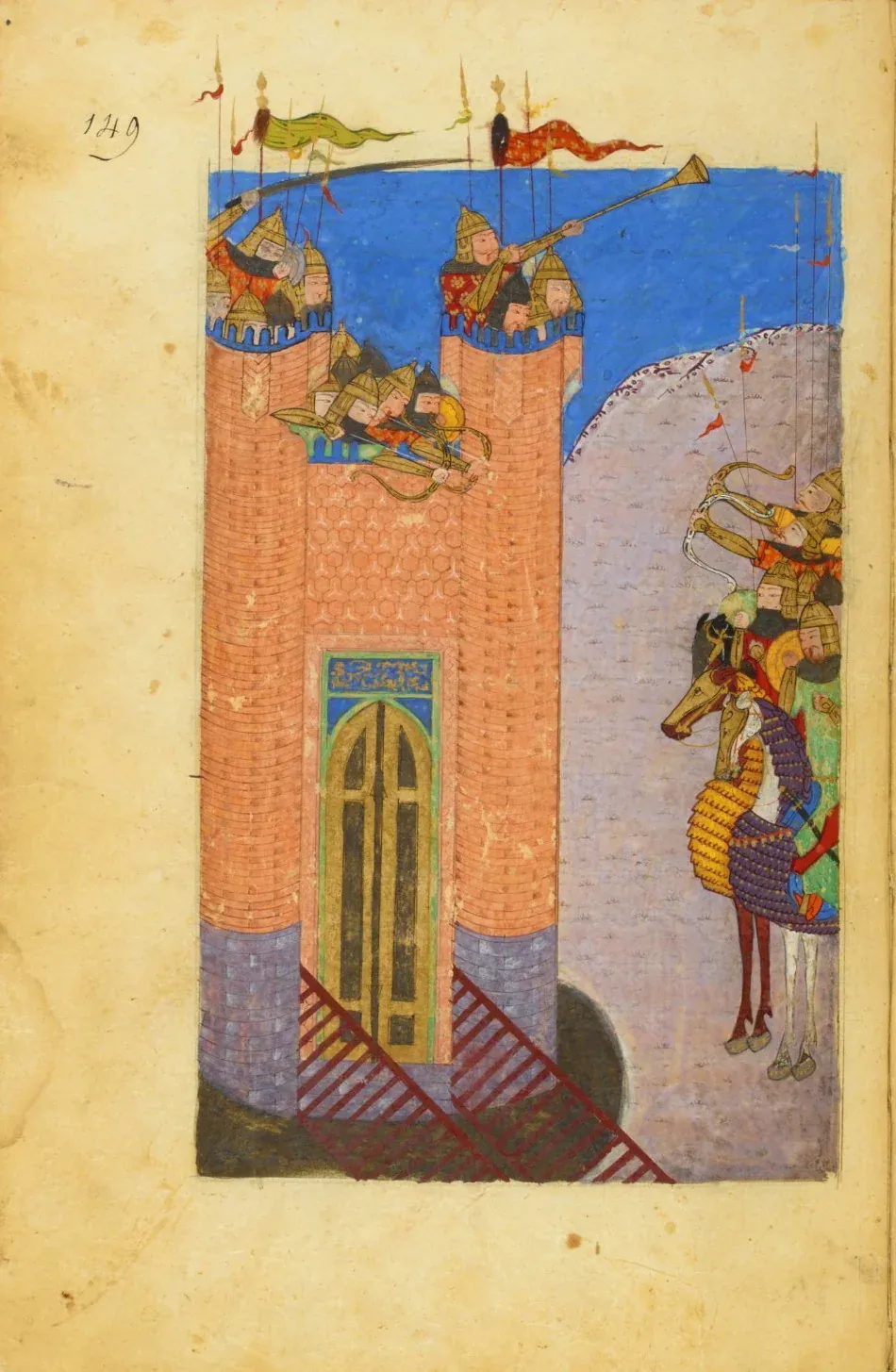
The Mongol conquest of the Nizari stateTopicHow the Mongols destroyed the Nizari state of Alamut: early diplomacy, Ket-Buqa's 1253 campaign, Hülegü's 1256 siege of Maymundiz, Khurshah's surrender and death, and the fate of Girdkuh and Syria.
- The Muhammad-Shahi and Qasim-Shahi splitTopicThe fourteenth-century succession dispute that divided the Nizari Ismaili Imamate into the Muhammad-Shahi line, extinct after 1796, and the Qasim-Shahi line of the Aga Khans.
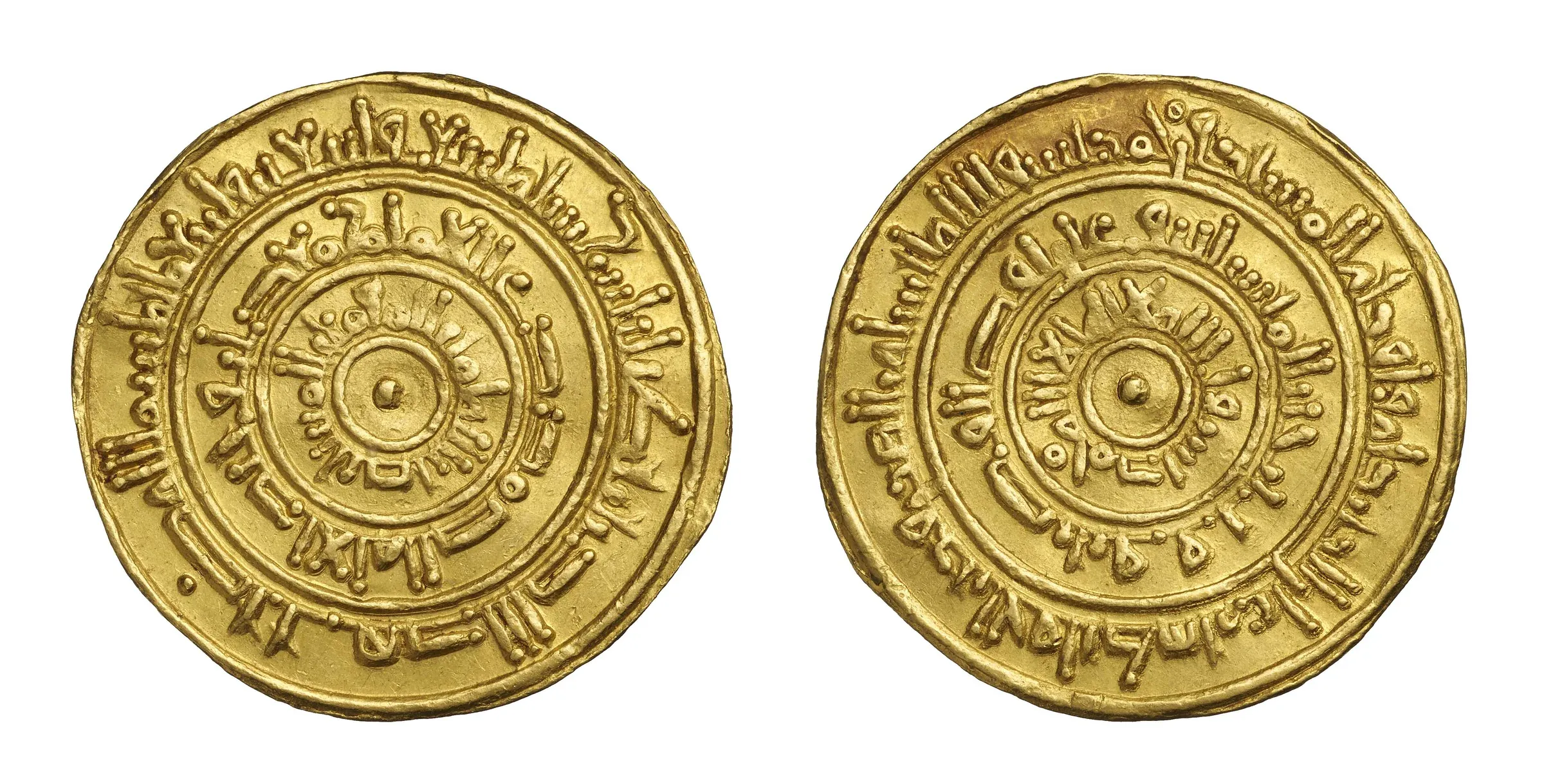
The Nizari–Musta'li splitTopicThe succession crisis of 1094 that divided the Ismailis: al-Mustansir's designation of Nizar, al-Afdal's coup for al-Musta'li, Nizar's revolt and death, and the rival claims each side made.
- The QarmatiansTopicThe Qarmatis: from Hamdan Qarmat's converts in the Sawad of Kufa to the dissident Ismailis who rejected al-Mahdi in 899, the state of Bahrayn, the sack of Mecca and the Black Stone.
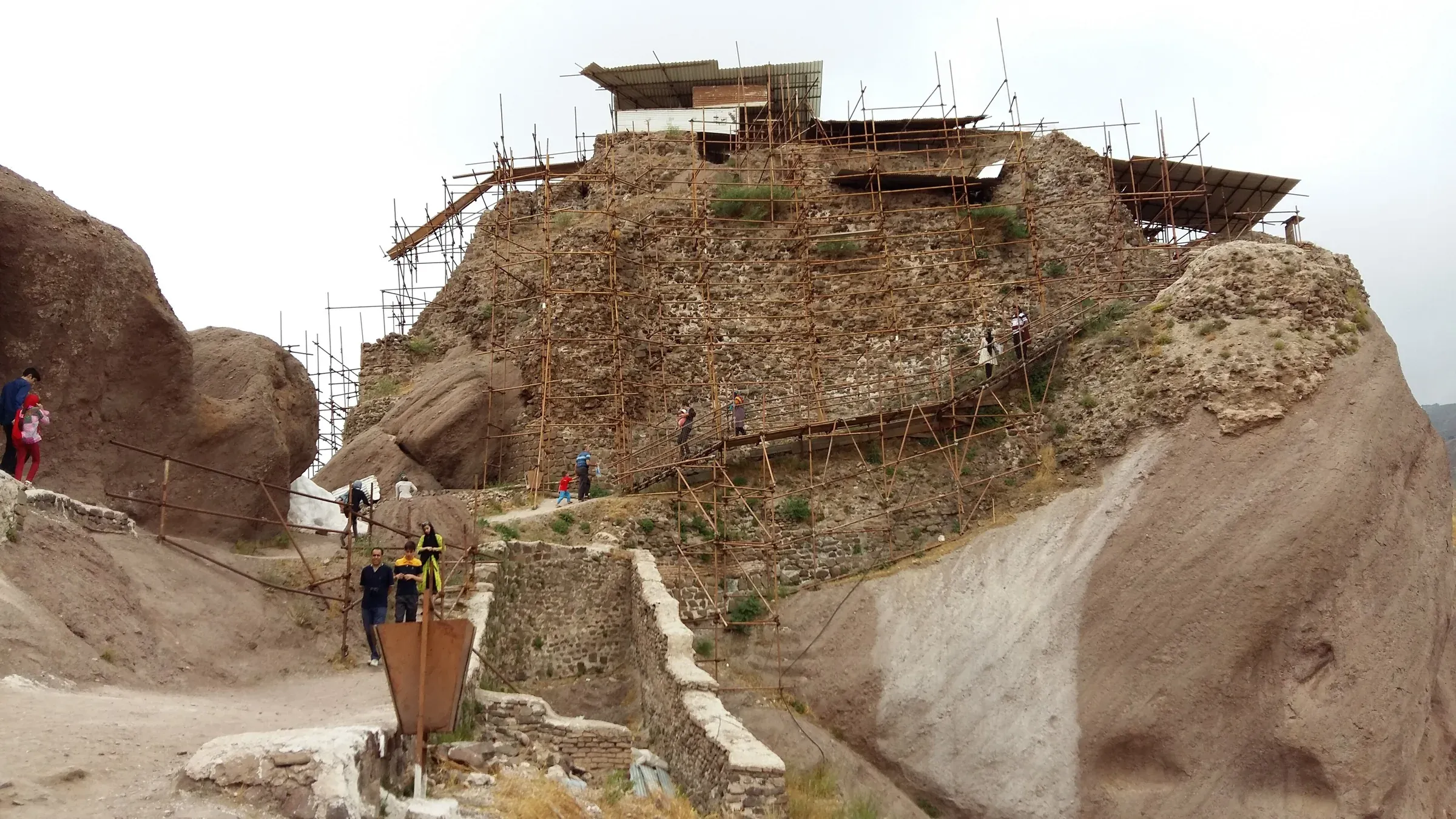
The Qiyama of 1164TopicThe 'resurrection' proclaimed by Hasan II at Alamut on 17 Ramadan 559 / 8 August 1164: the ceremony, its doctrine, its reversal in 1210 and the debate over what it meant.
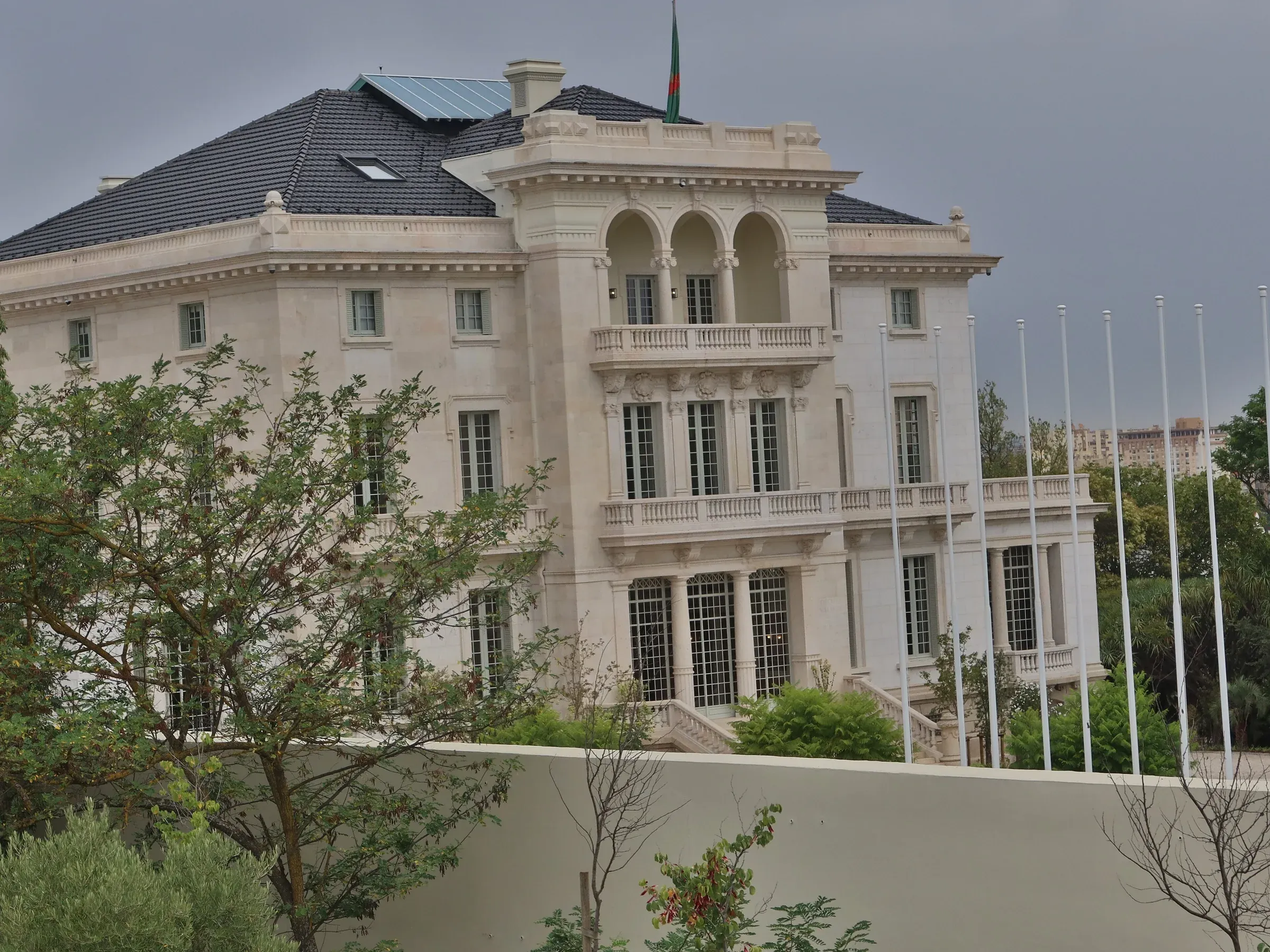
The Seat of the Ismaili ImamatTopicHow the Ismaili Imamat came to have a formal Seat in Lisbon: the idea of the Imam's seat, the Portuguese accords of 2005–2009, the 2015 Agreement, the 2018 designation and the Seat after 2025.
- The succession to Ja'far al-SadiqTopicHow the death of Ja'far al-Sadiq in 148/765 split the Imami Shi'a into six groups, and how the claims of Isma'il and Muhammad b. Isma'il gave rise to the Ismailis.
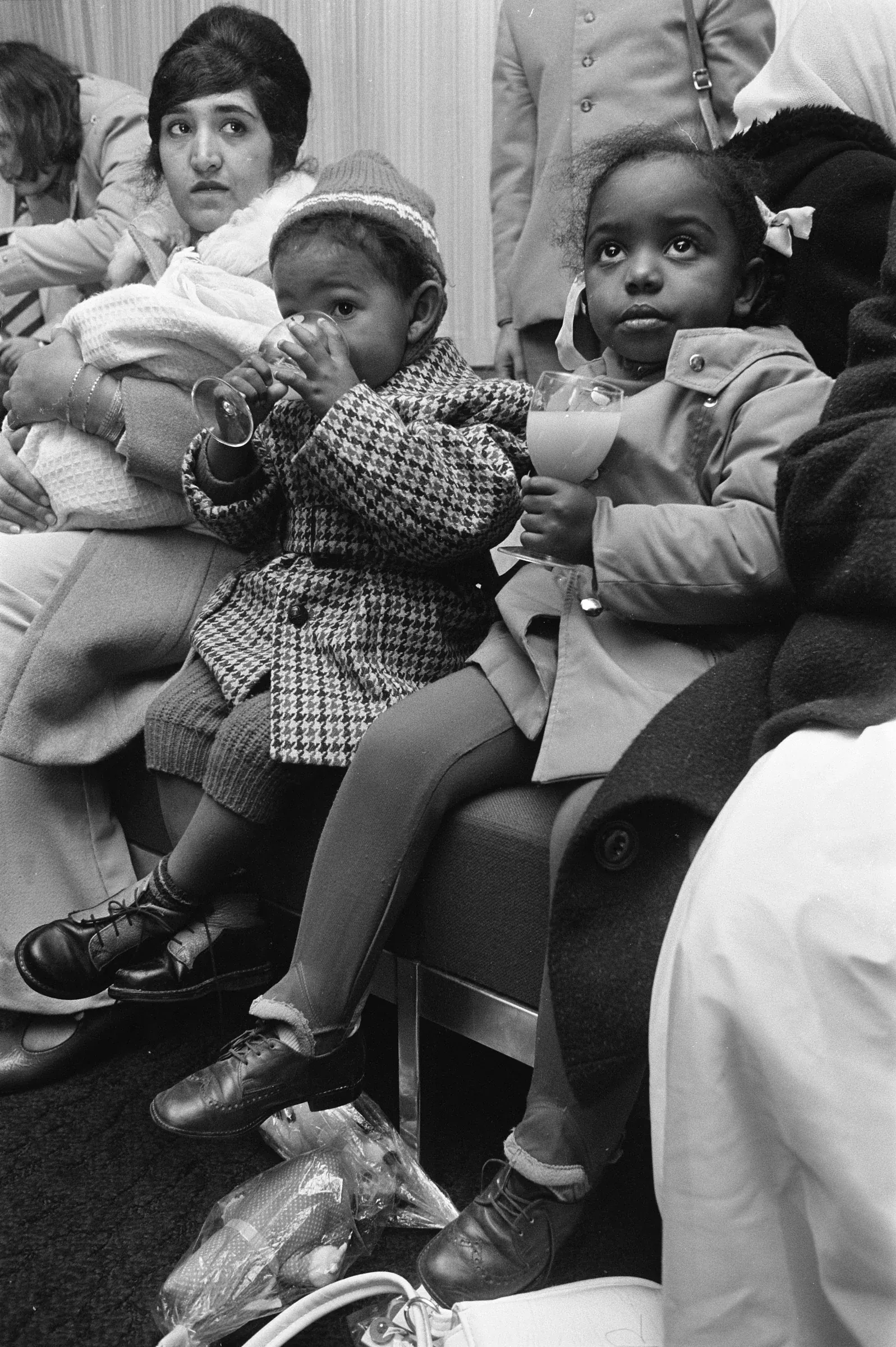
The Uganda Expulsion of 1972TopicIdi Amin's 90-day expulsion of Uganda's Asians in 1972: the background in Africanization, the numbers, the destinations, and its place in Ismaili history.
Who are the Ismailis?TopicAn introduction to the Shia Imami Ismaili Muslims: origins in 765, the Imamate, the branches, the Fatimids, Alamut, the Aga Khans and the communities of today.