Ismaili.com
Search

Fifty Imams,
one unbroken line.

Ismailis hold that the Imamat passes by designation (nass) from Imam to Imam in the line of Ali and Fatima. This index follows the Nizari reckoning used by the community today.
Origins

632–765

  1. Black-and-white photograph of the arcaded courtyard of the shrine of Imam Ali
    Ali ibn Abi Talib1st · 632–661
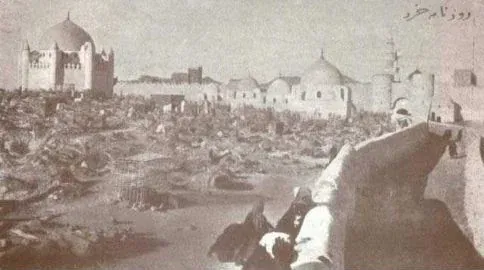
  2. Domed tombs in the Baqi cemetery of Medina before their demolition
    al-Hasan ibn AliTrustee · 661–670
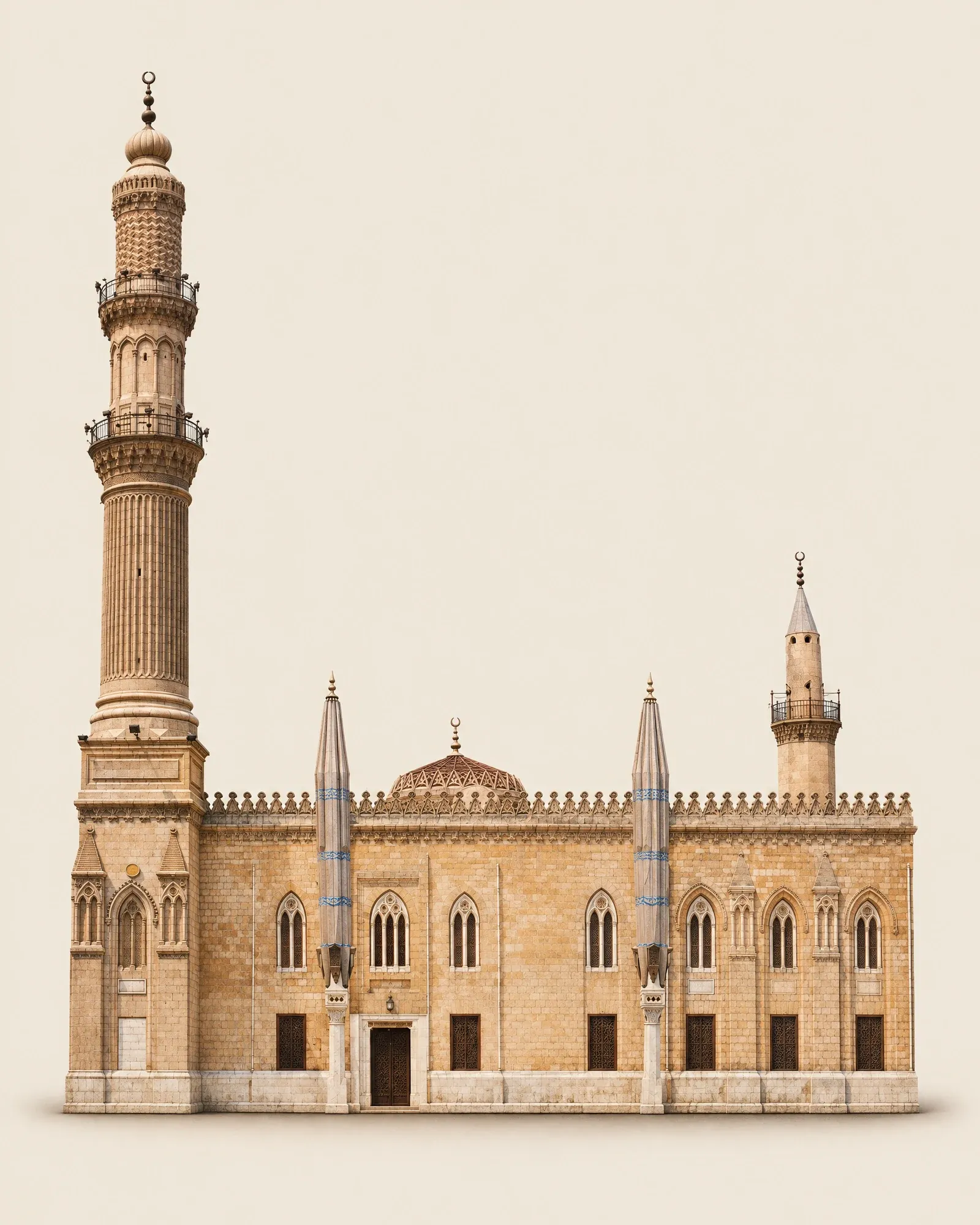
  3. The Al-Hussein Mosque in Cairo with its minaret
    al-Husayn ibn Ali2nd · 661–680
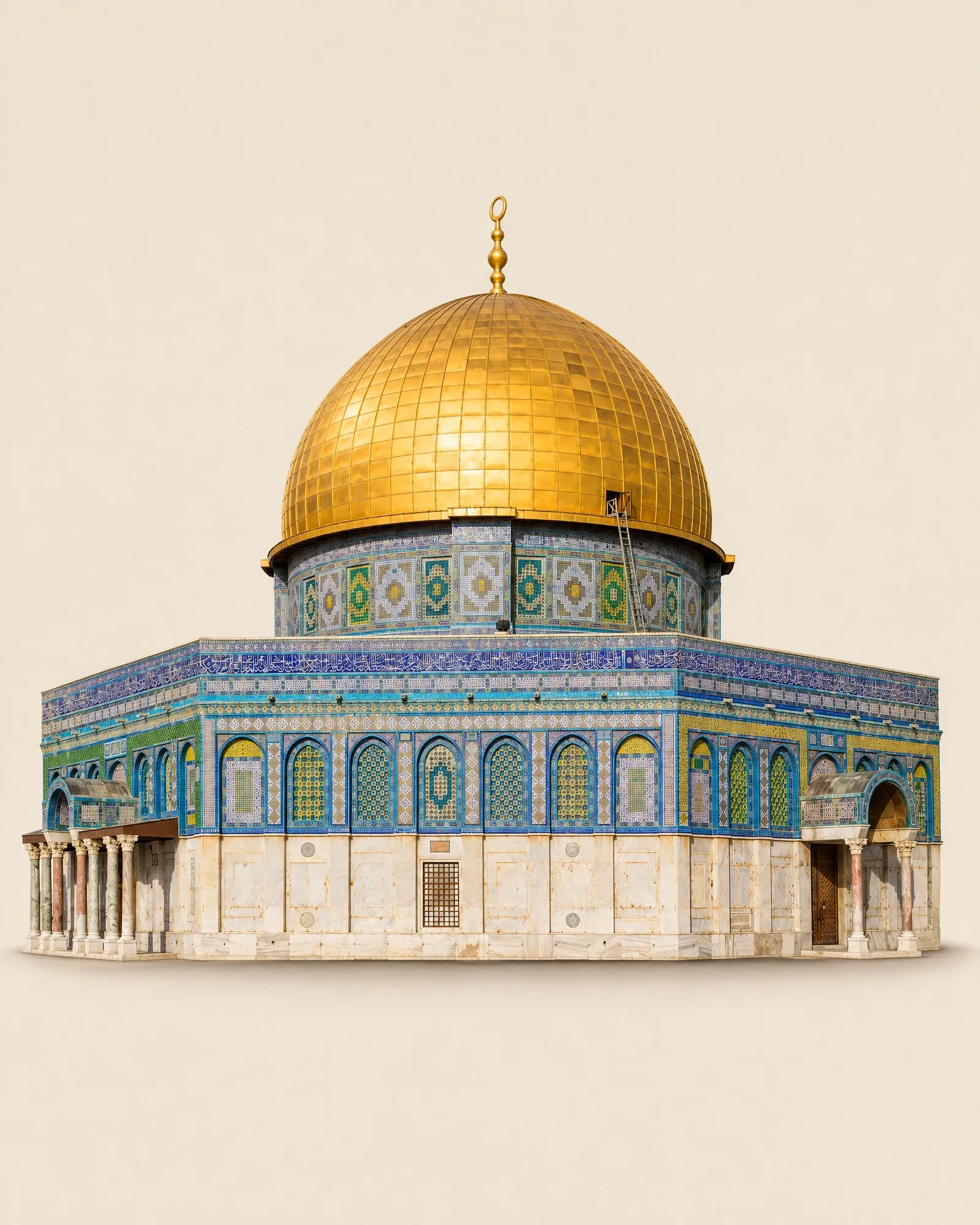
  4. Studio rendering of the Dome of the Rock, Jerusalem, completed 691–692
    Ali Zayn al-'Abidin3rd · 680–714
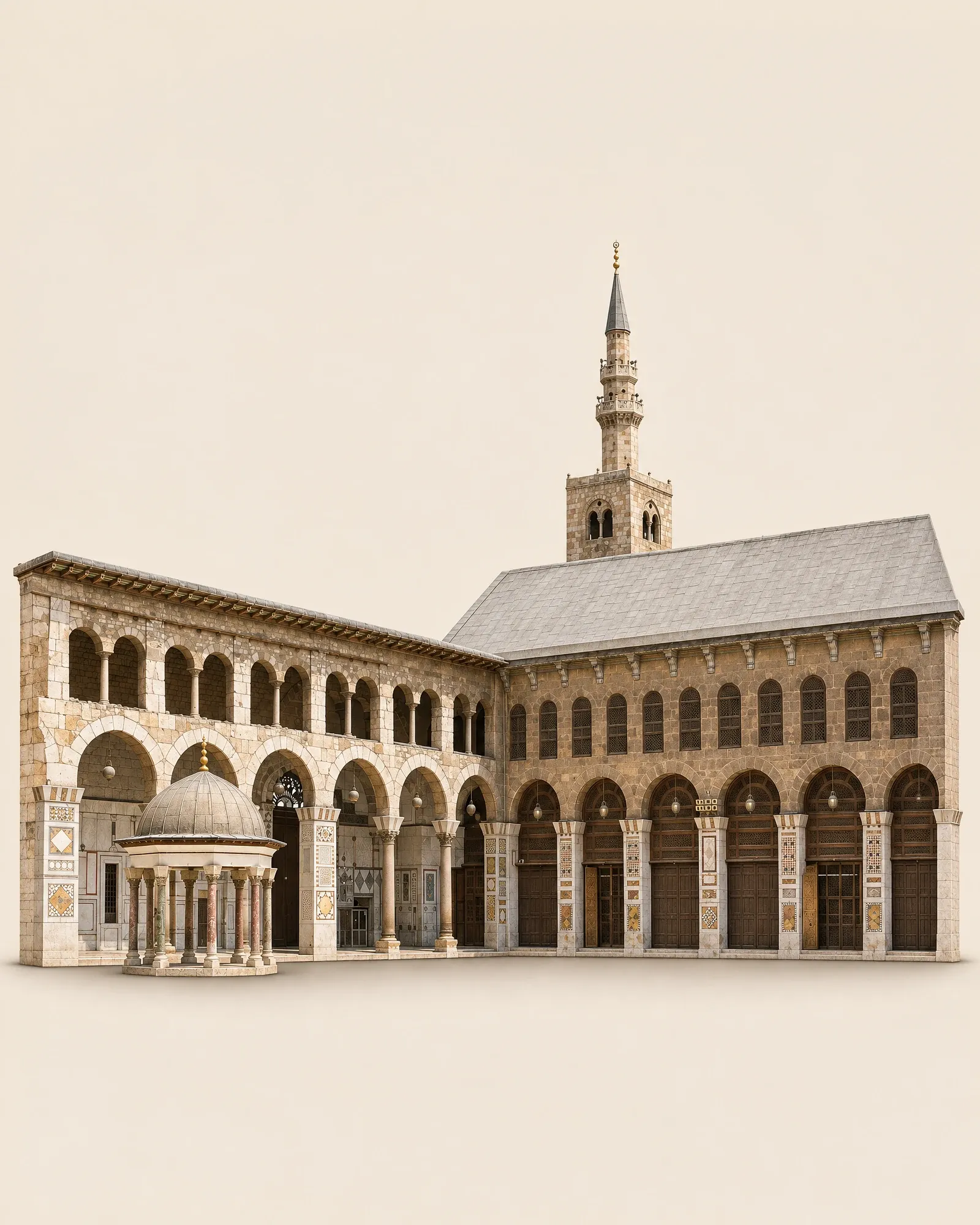
  5. Studio rendering of the Great Mosque of Damascus, built 705–715
    Muhammad al-Baqir4th · 714–732
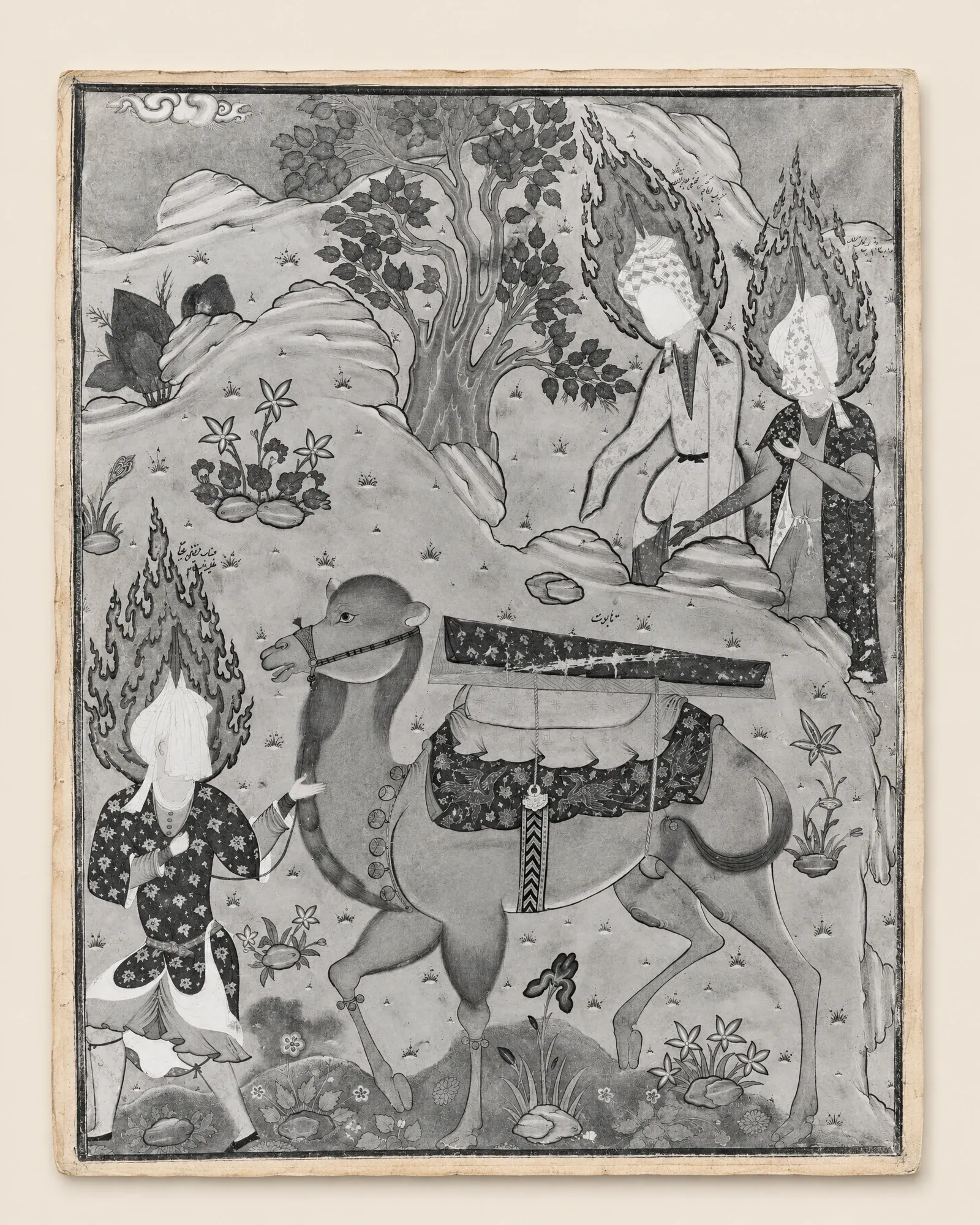
  6. Illustrated folio showing the coffin of Imam Ali carried on a camel
    Ja'far al-Sadiq5th · 732–765
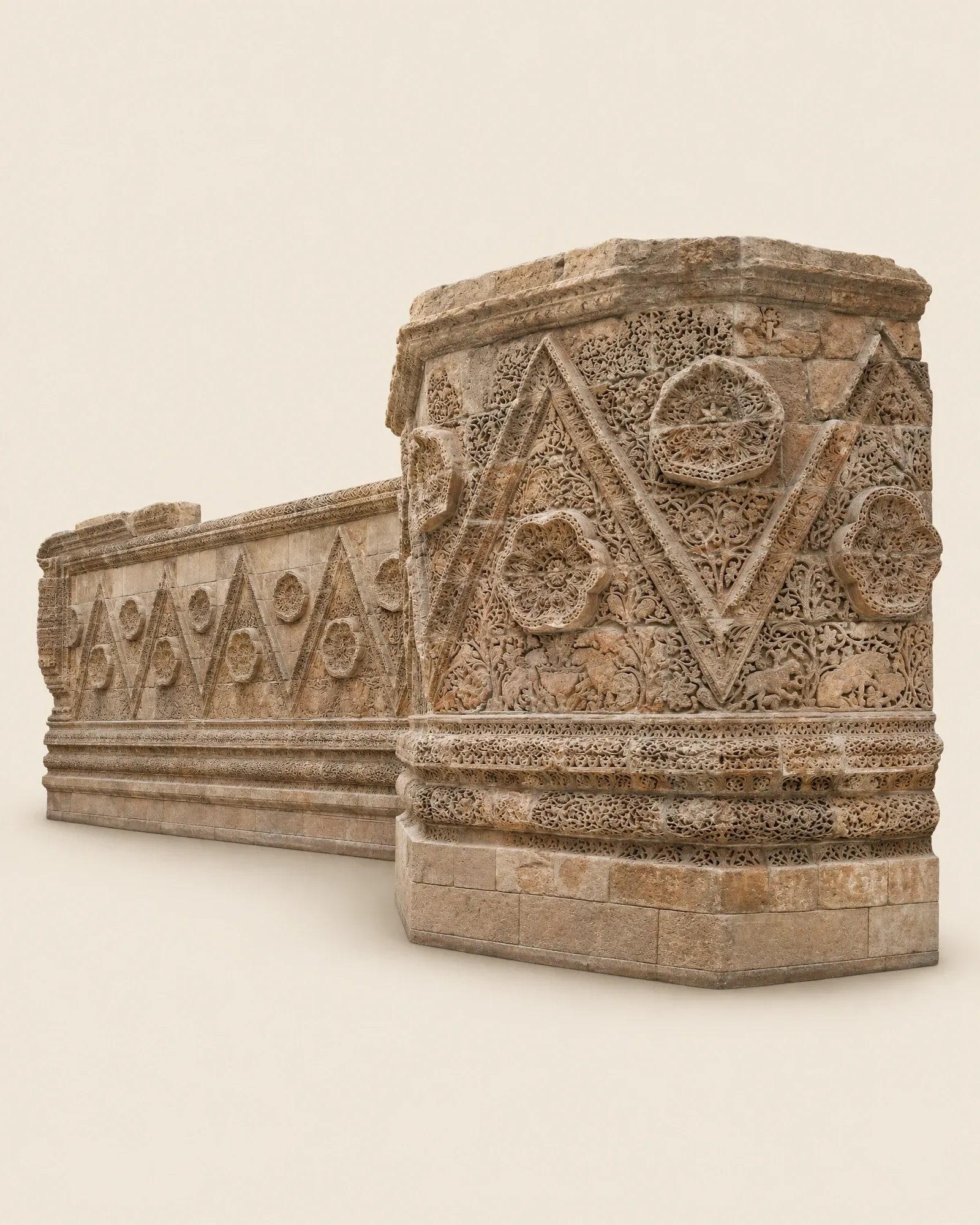
  7. Studio rendering of Carved facade of the Umayyad palace of Mshatta, c
    Isma'il ibn Ja'far6th · 765–765
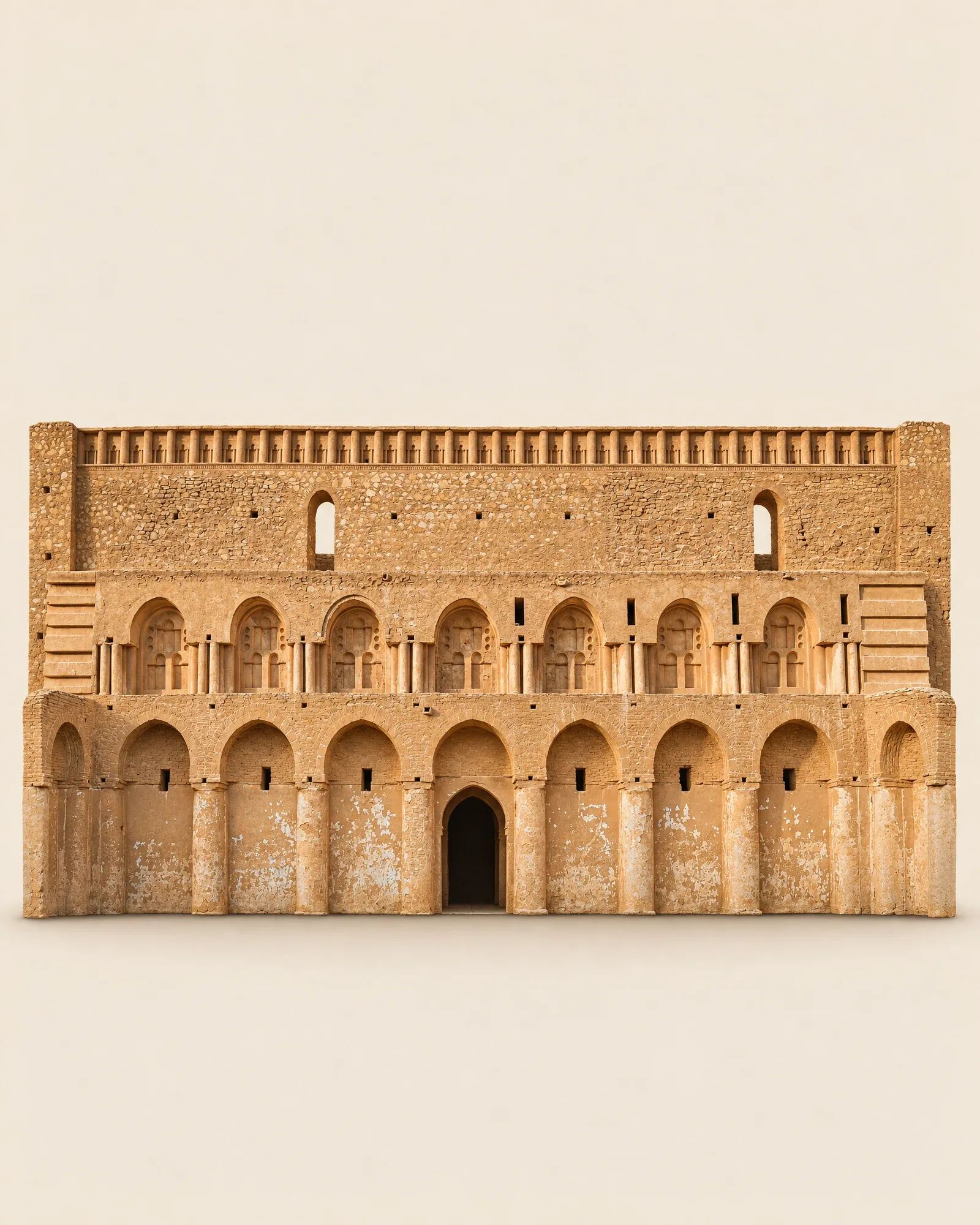
  1. Studio rendering of the Abbasid palace of Ukhaidir, Iraq, c
    Muhammad ibn Isma'il7th · 765–c. 795
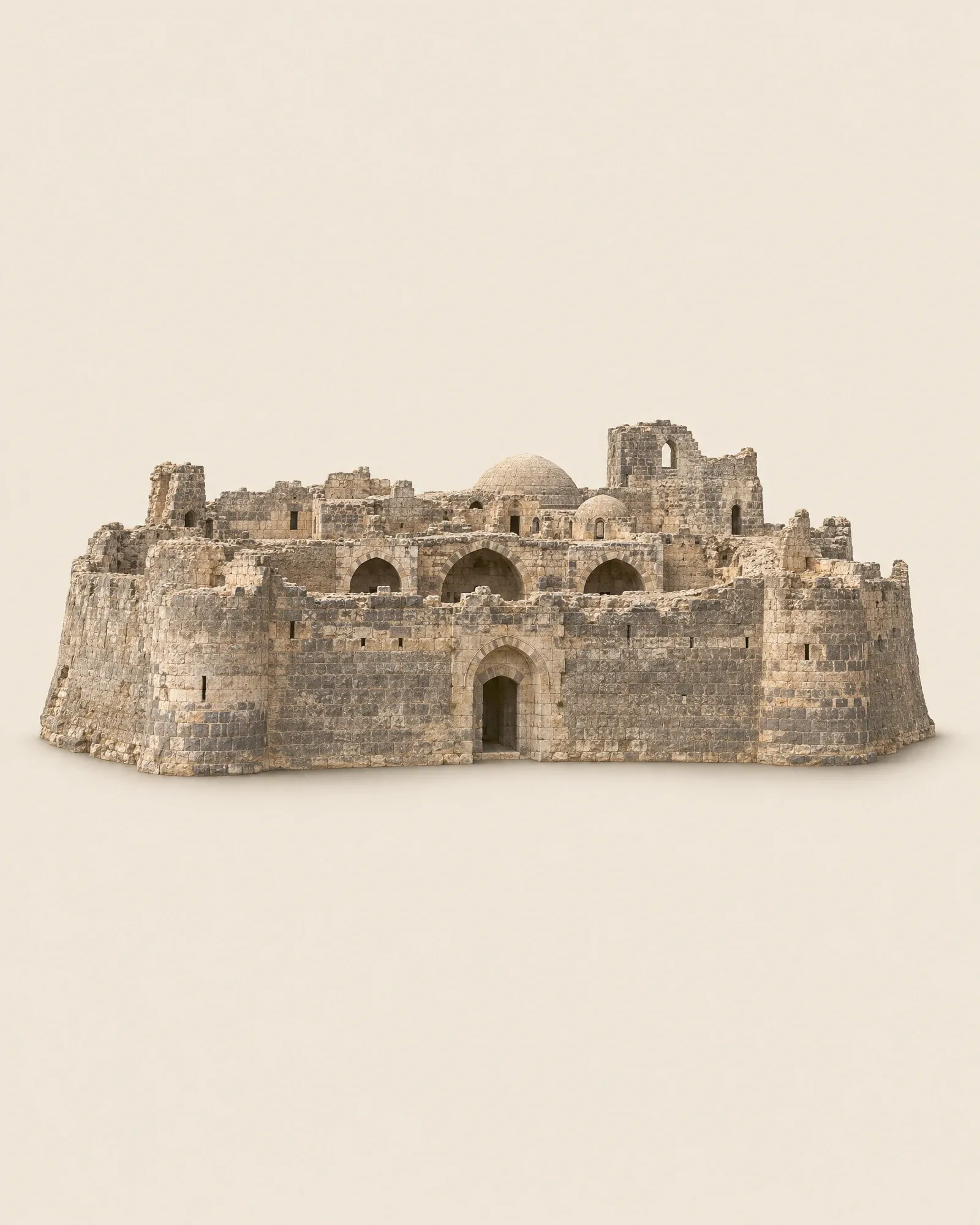
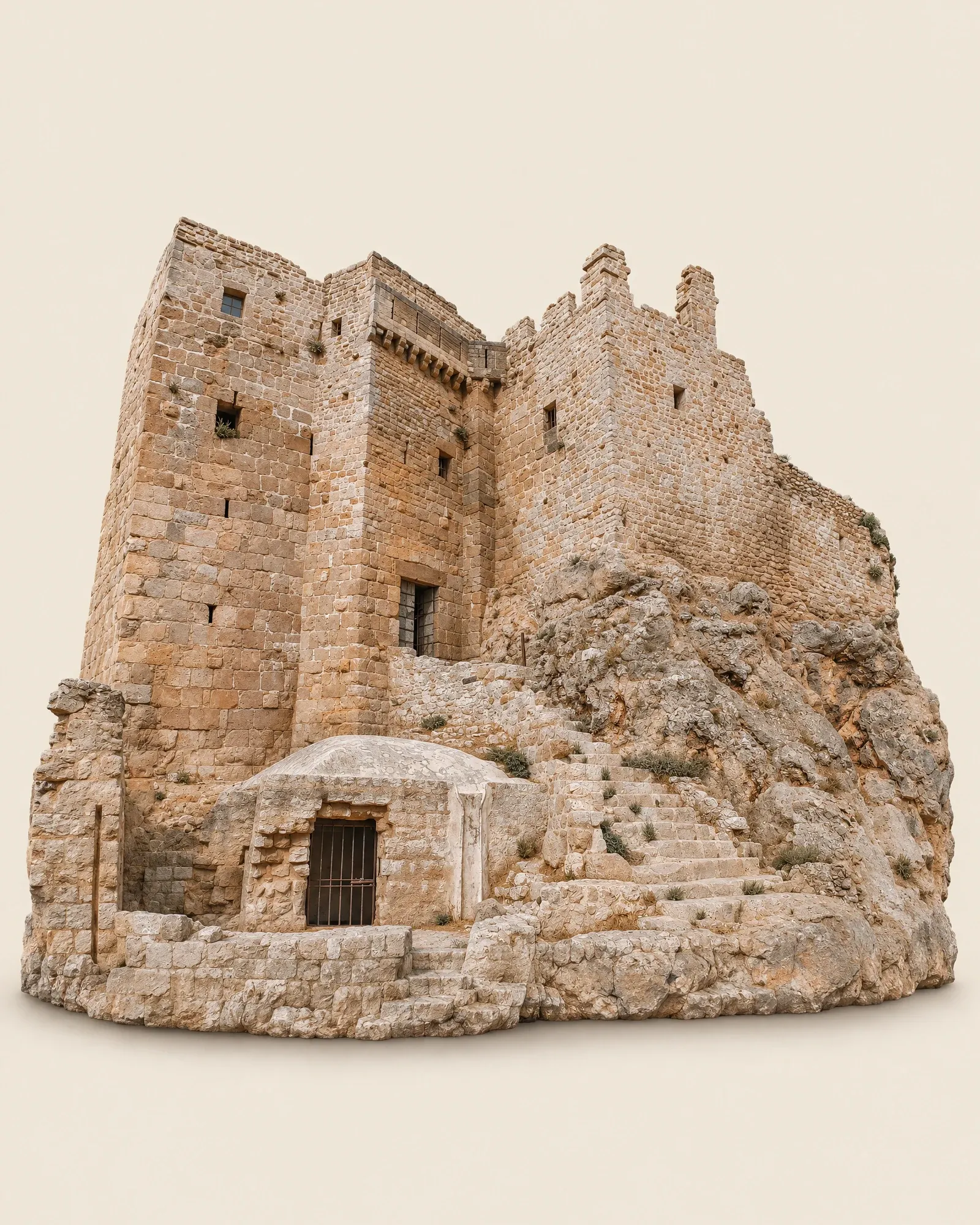
  2. The Shmemis castle on its hilltop above trees near Salamiyya
    'Abd Allah al-Wafi8th · c. 795–c. 827
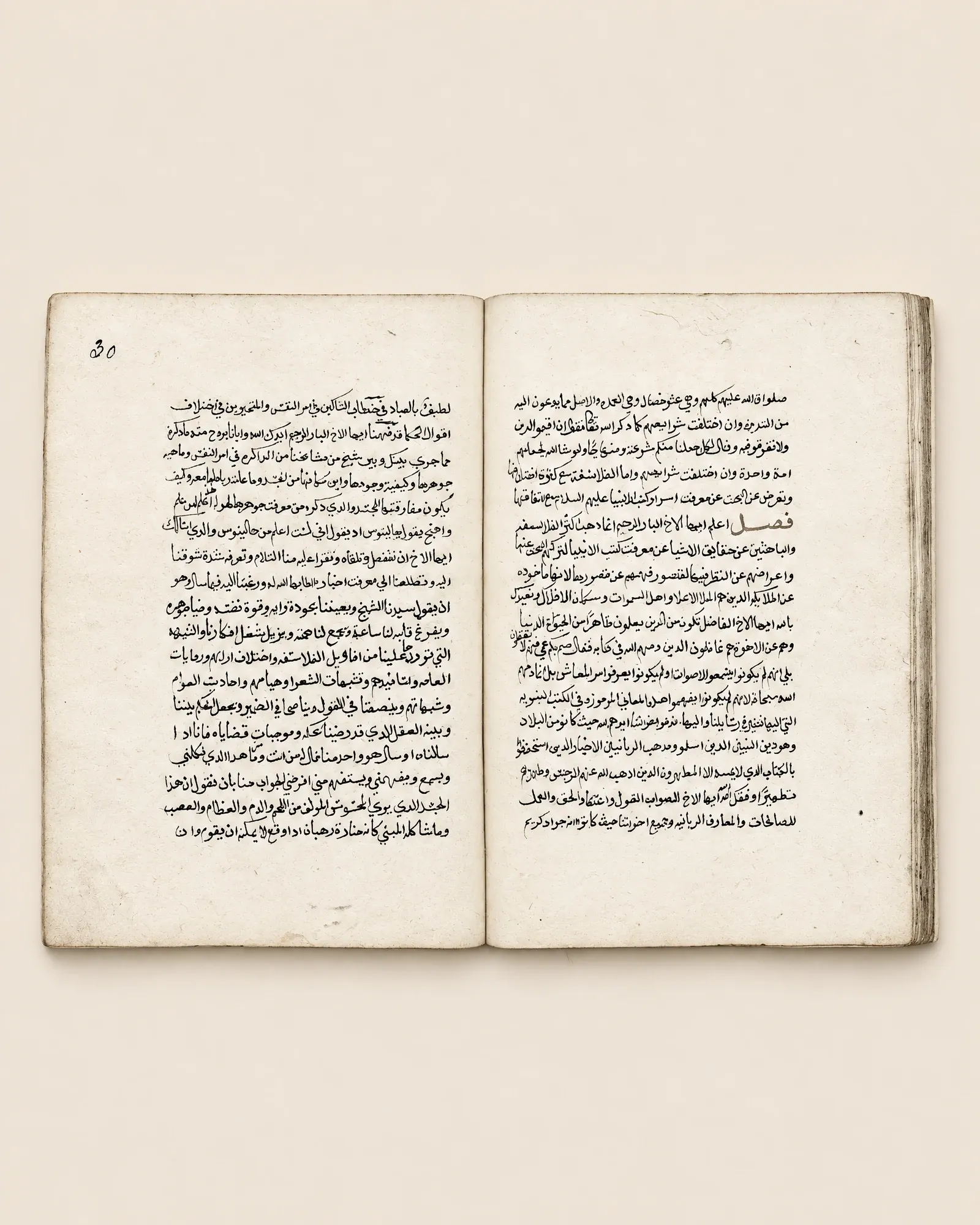
  3. Open Arabic manuscript with two pages of text
    Ahmad al-Taqi9th · c. 827–c. 840
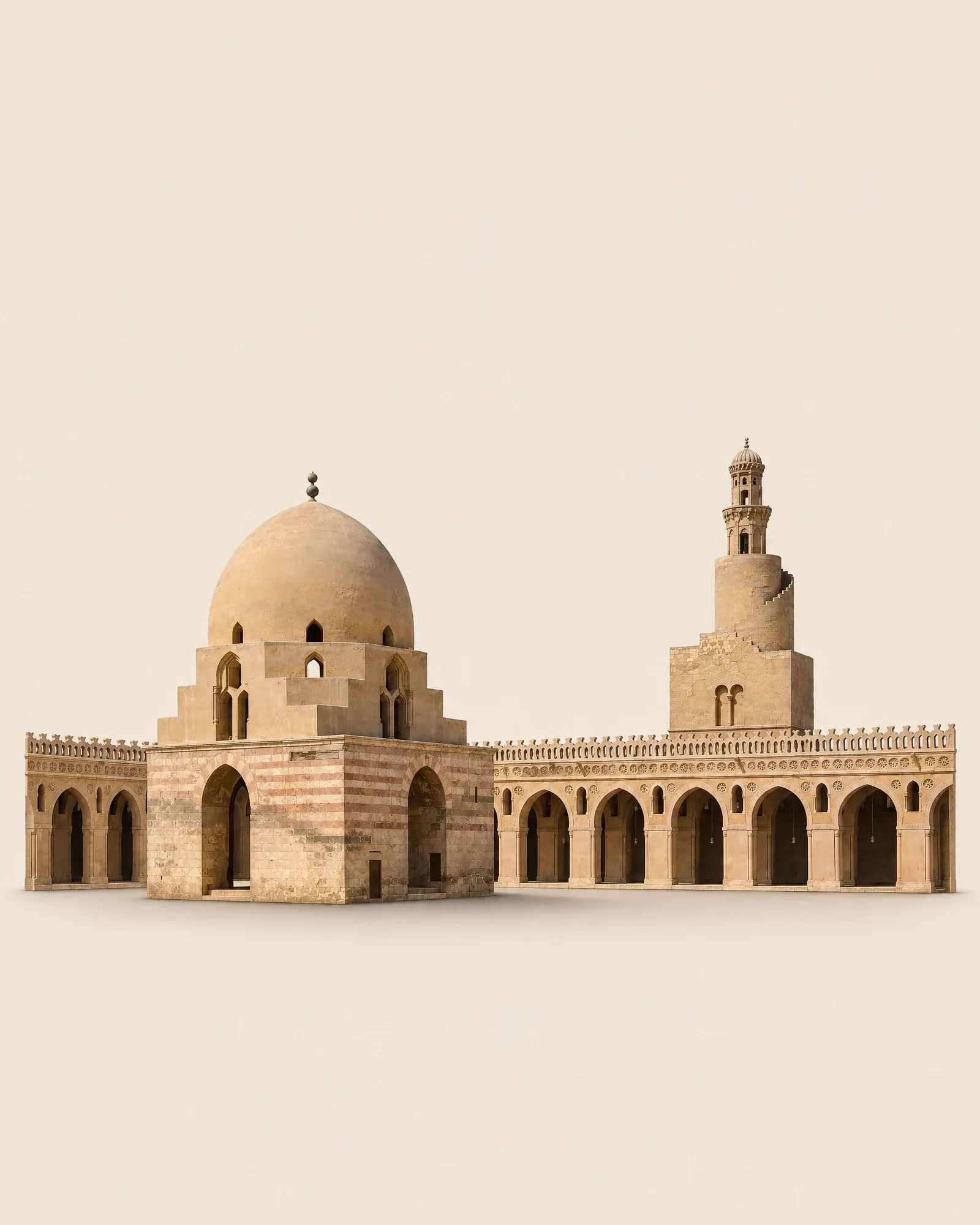
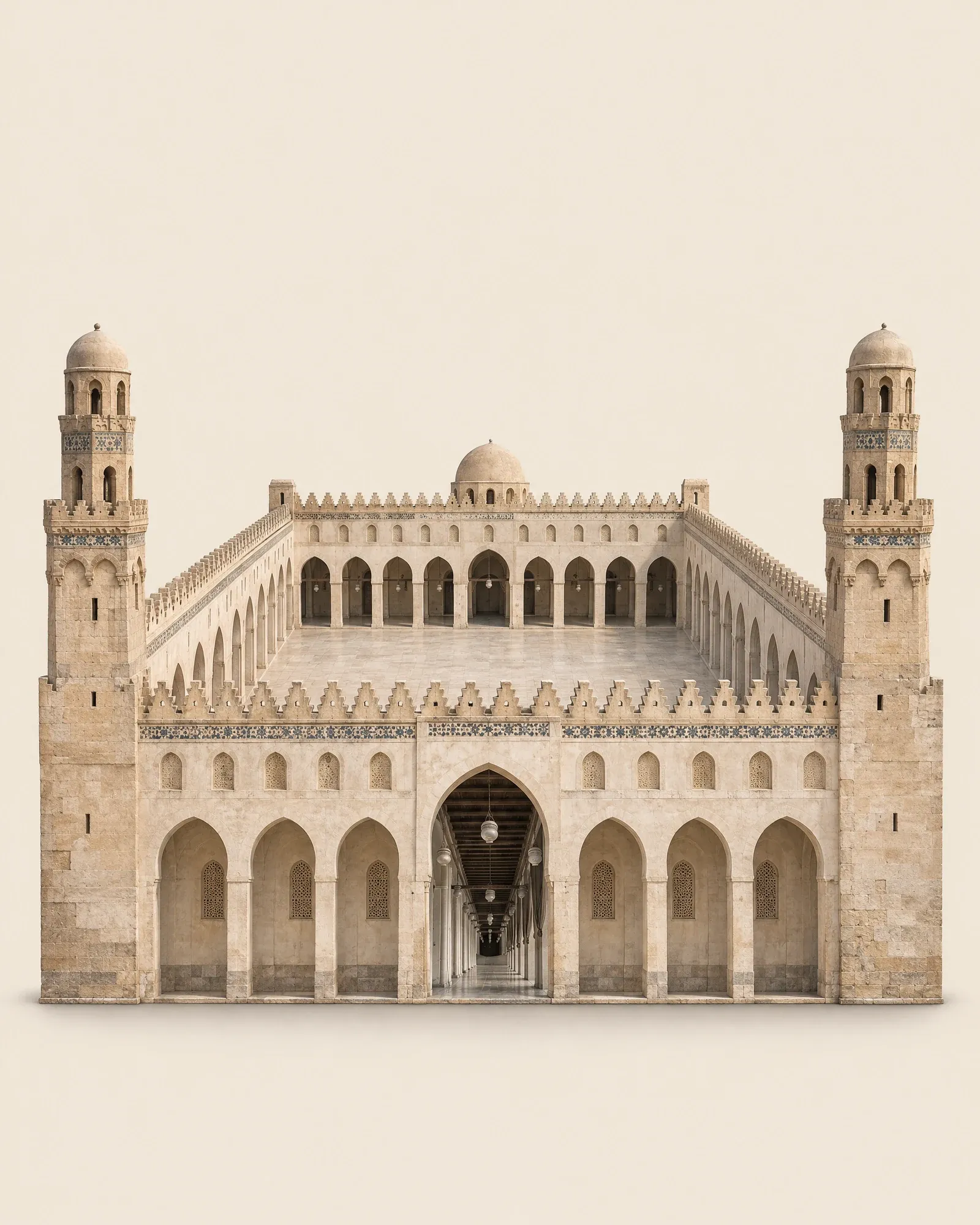
  4. Studio rendering of the Mosque of Ibn Tulun, Cairo, built 876–879
    al-Husayn al-Radi10th · c. 840–c. 881
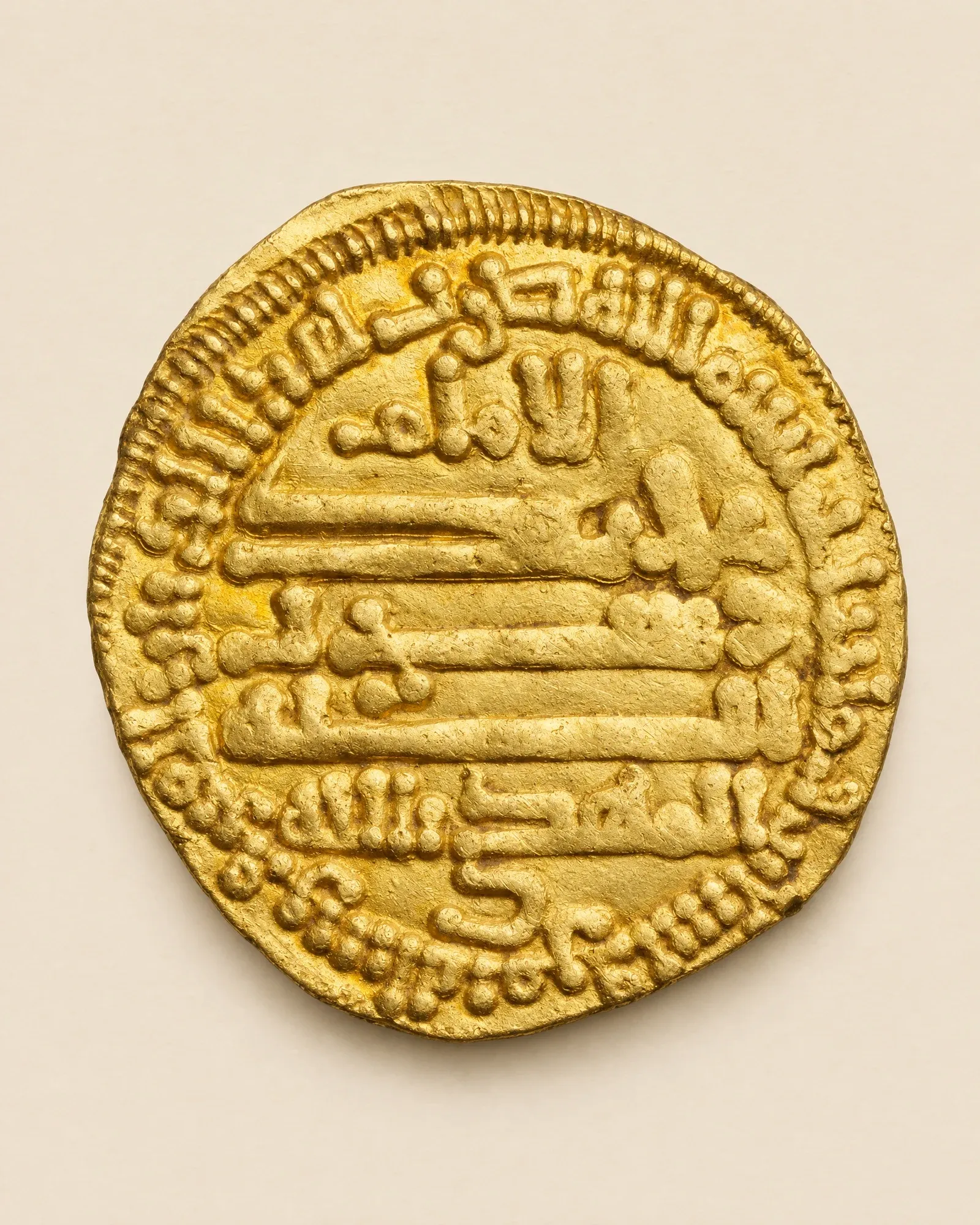
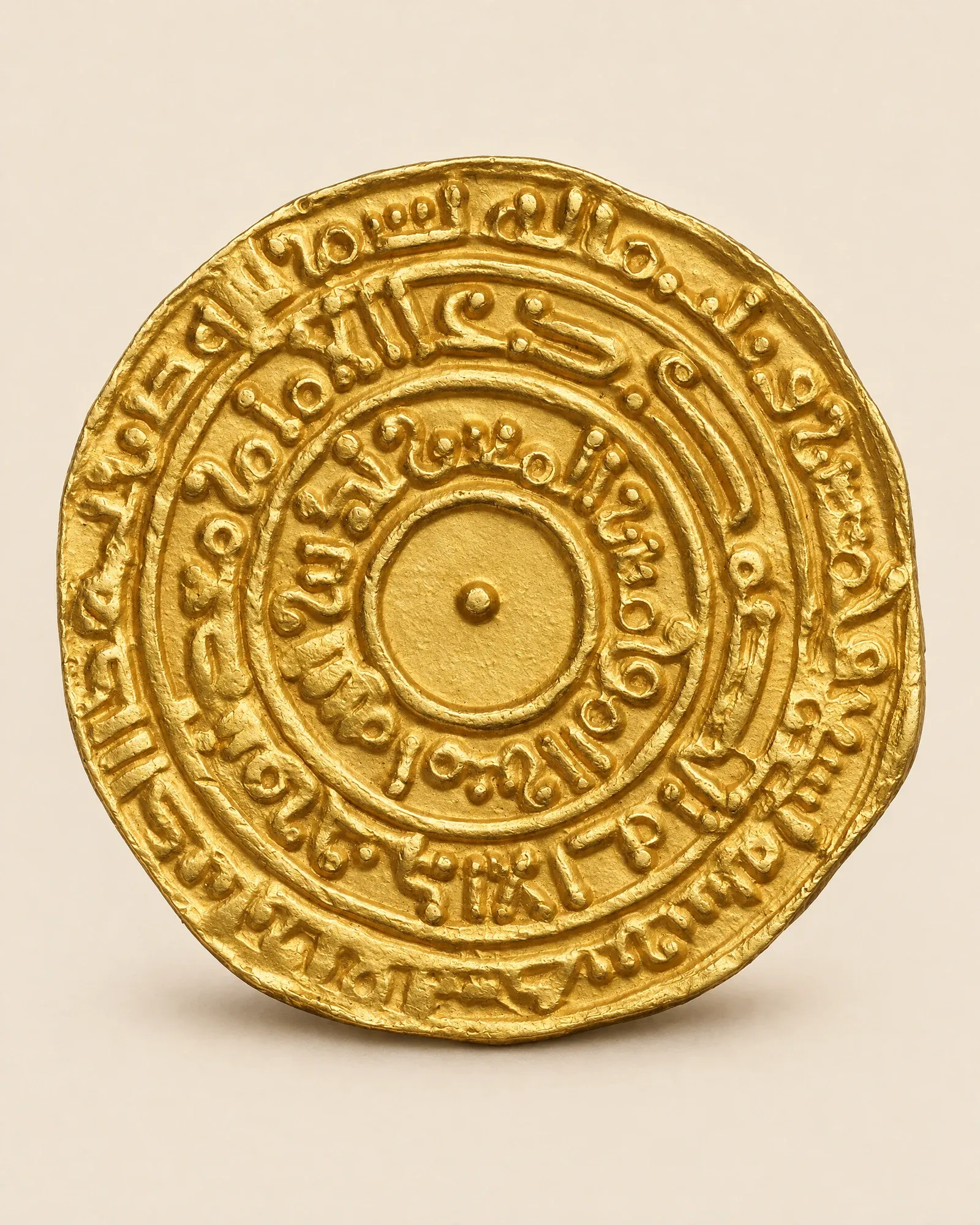
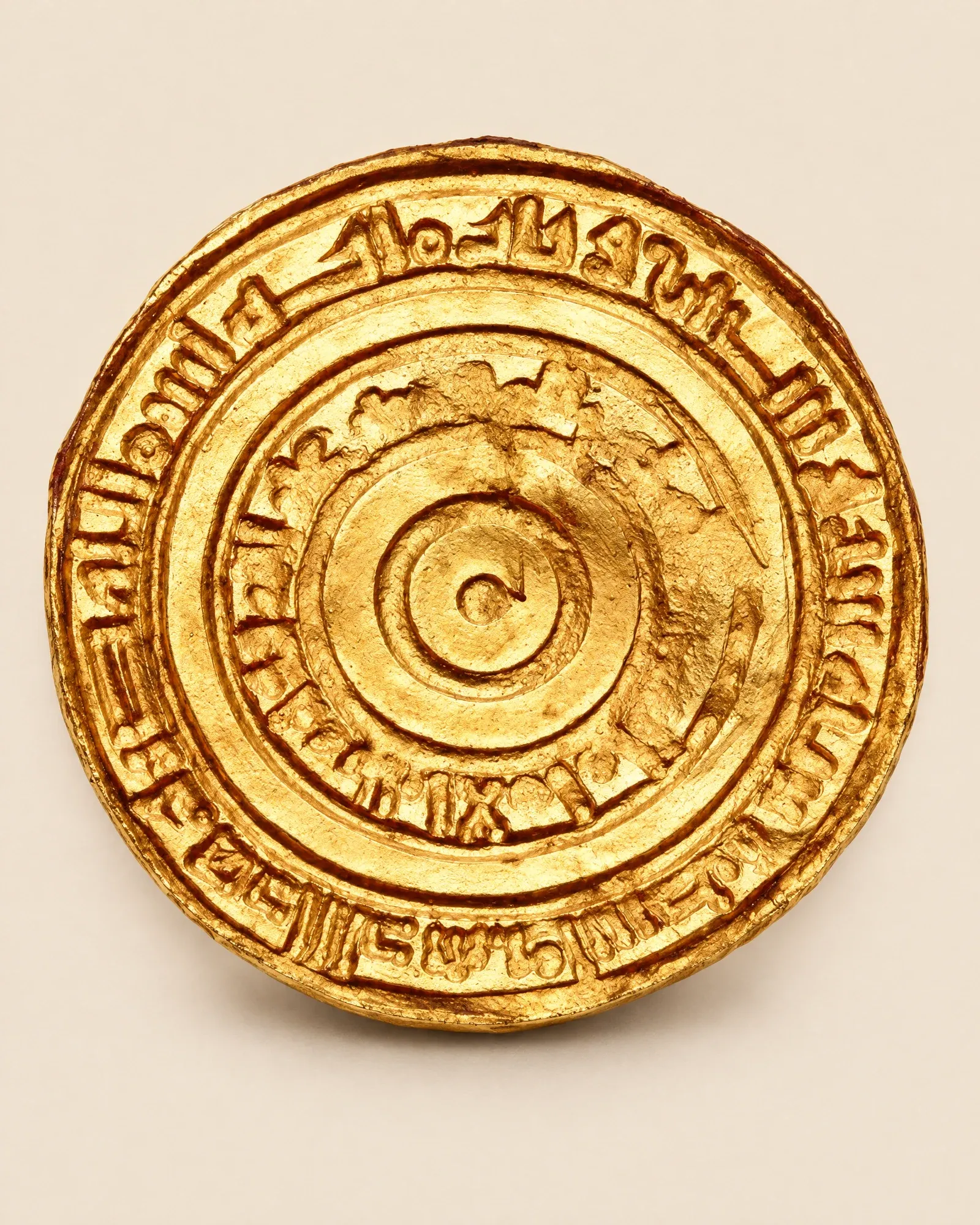
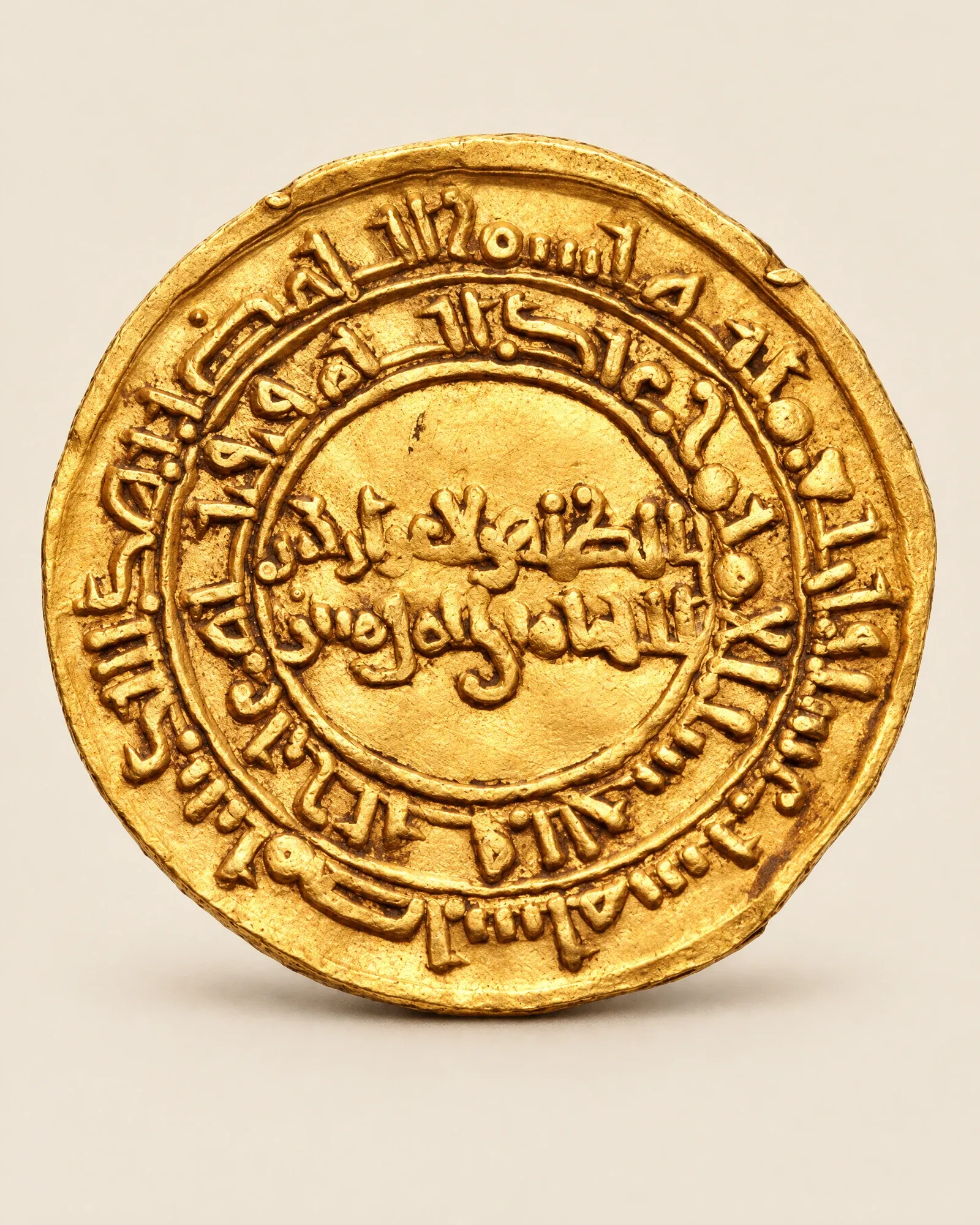
  1. Obverse and reverse of a Fatimid gold dinar
    al-Mahdi bi'llah11th · c. 899–934
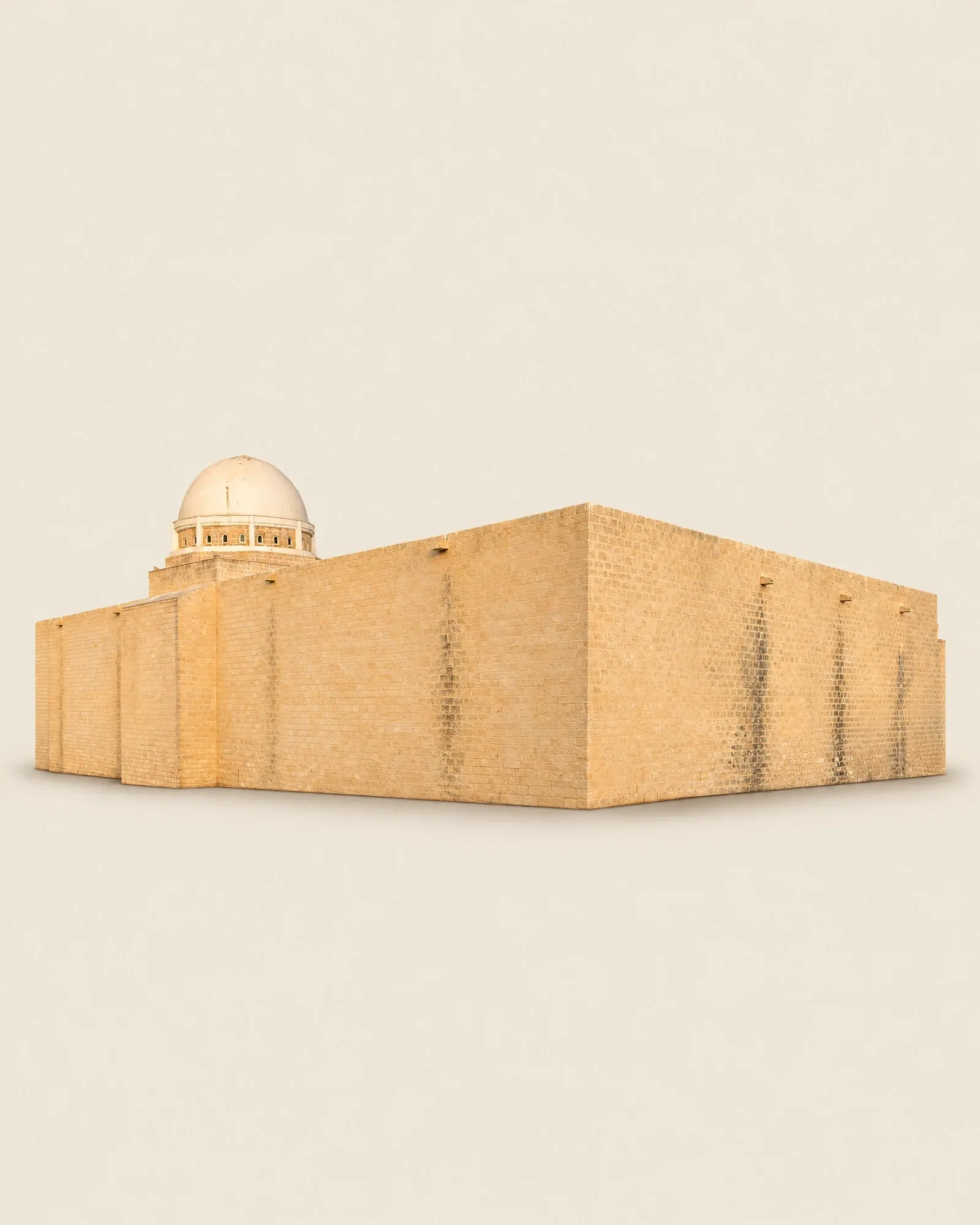
  2. The arched facade and courtyard wall of the Great Mosque of Mahdiya
    al-Qa'im bi-Amr Allah12th · 934–946
  3. Obverse and reverse of a Fatimid gold dinar
    al-Mansur bi'llah13th · 946–953
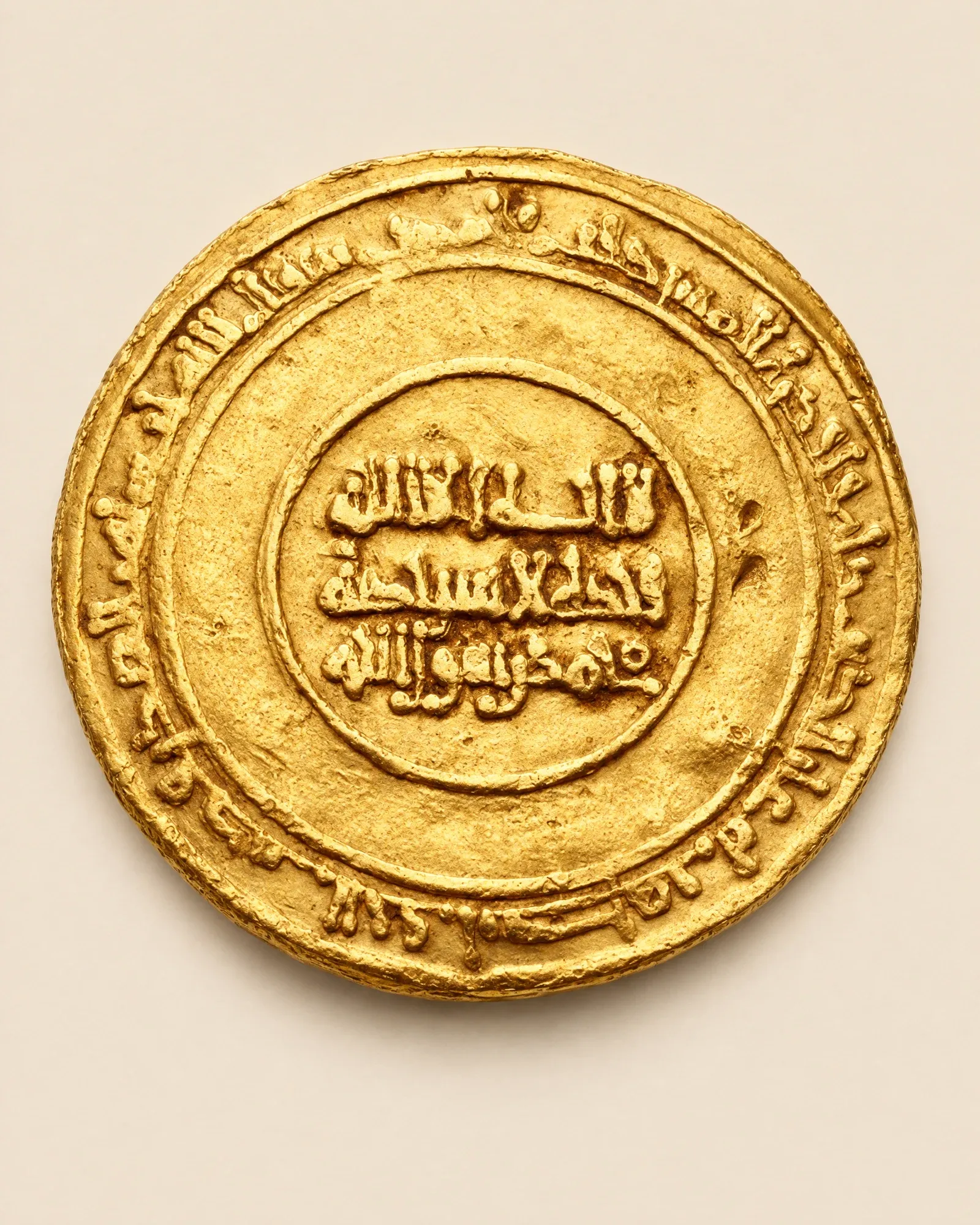
  4. Obverse and reverse of a Fatimid gold dinar with concentric inscriptions
    al-Mu'izz li-Din Allah14th · 953–975
  5. Obverse and reverse of a Fatimid gold dinar
    al-Aziz bi'llah15th · 975–996
  6. Monumental stone entrance and minaret of the Mosque of al-Hakim
    al-Hakim bi-Amr Allah16th · 996–1021
  7. Studio rendering of a gold dinar of al-Zahir
    al-Zahir li-I'zaz Din Allah17th · 1021–1036
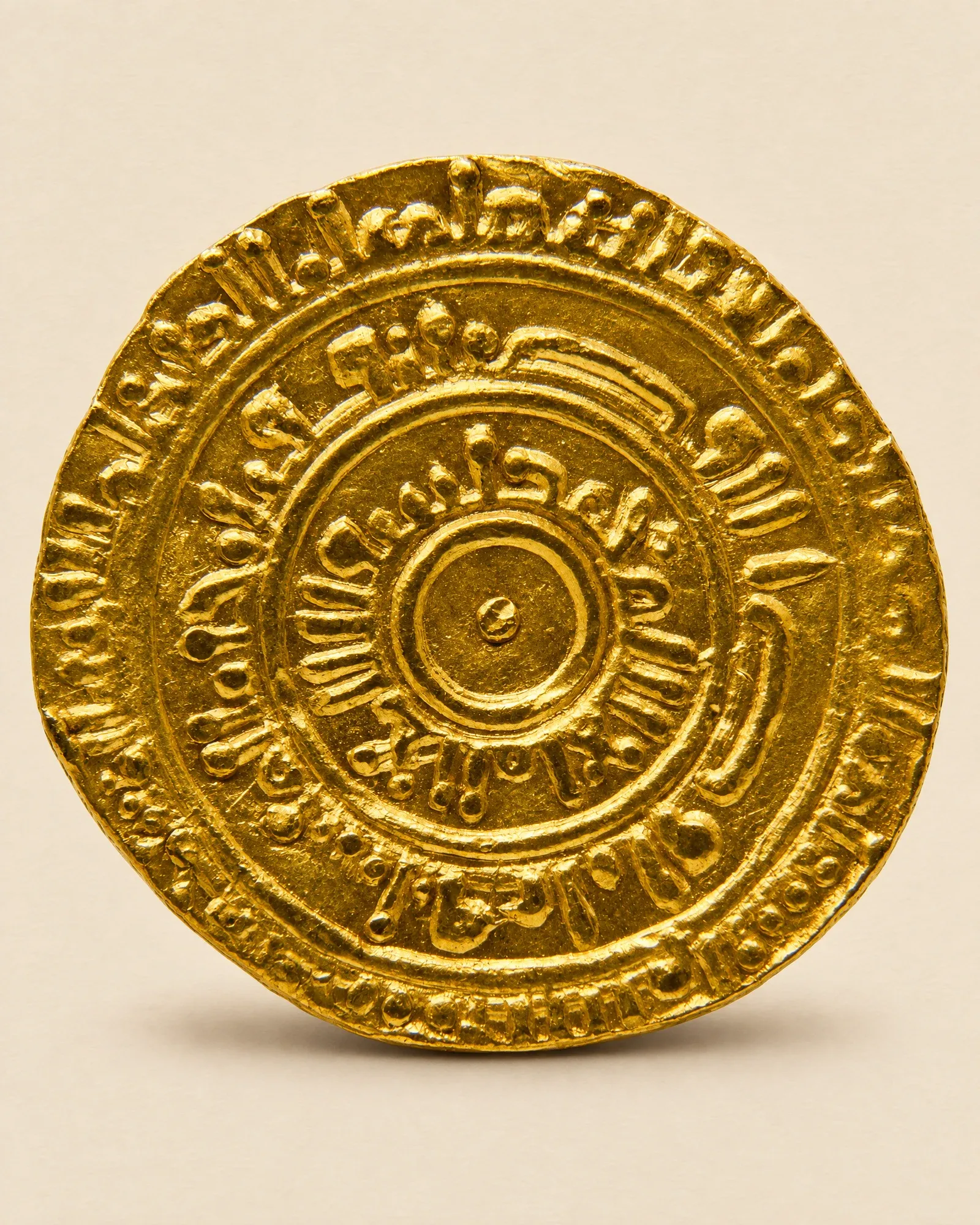
  8. Obverse and reverse of a Fatimid gold dinar with concentric inscriptions
    al-Mustansir bi'llah18th · 1036–1094
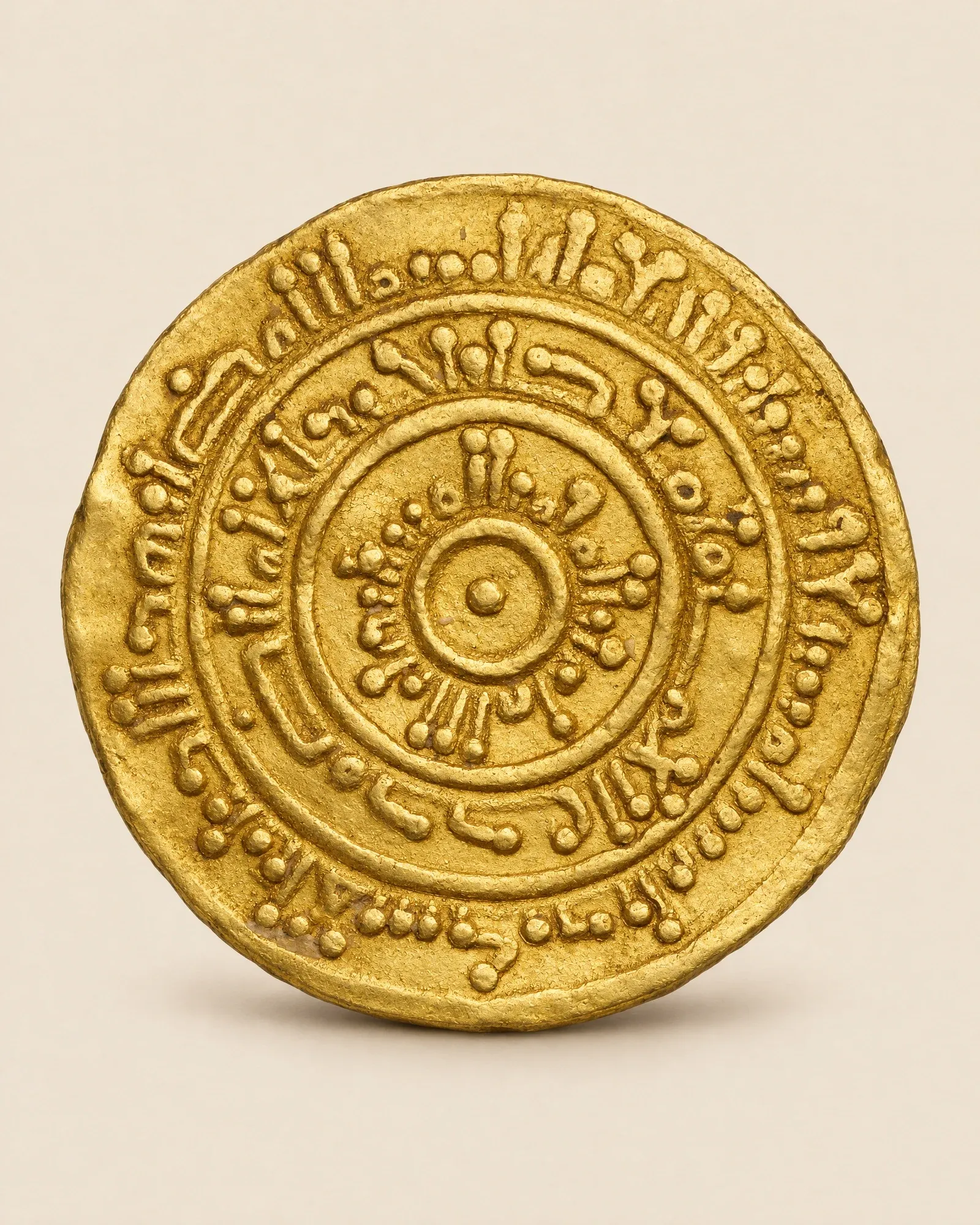
  1. A Fatimid gold dinar with concentric Kufic inscriptions
    Nizar19th · 1094–1095

Alamut

1090–1256

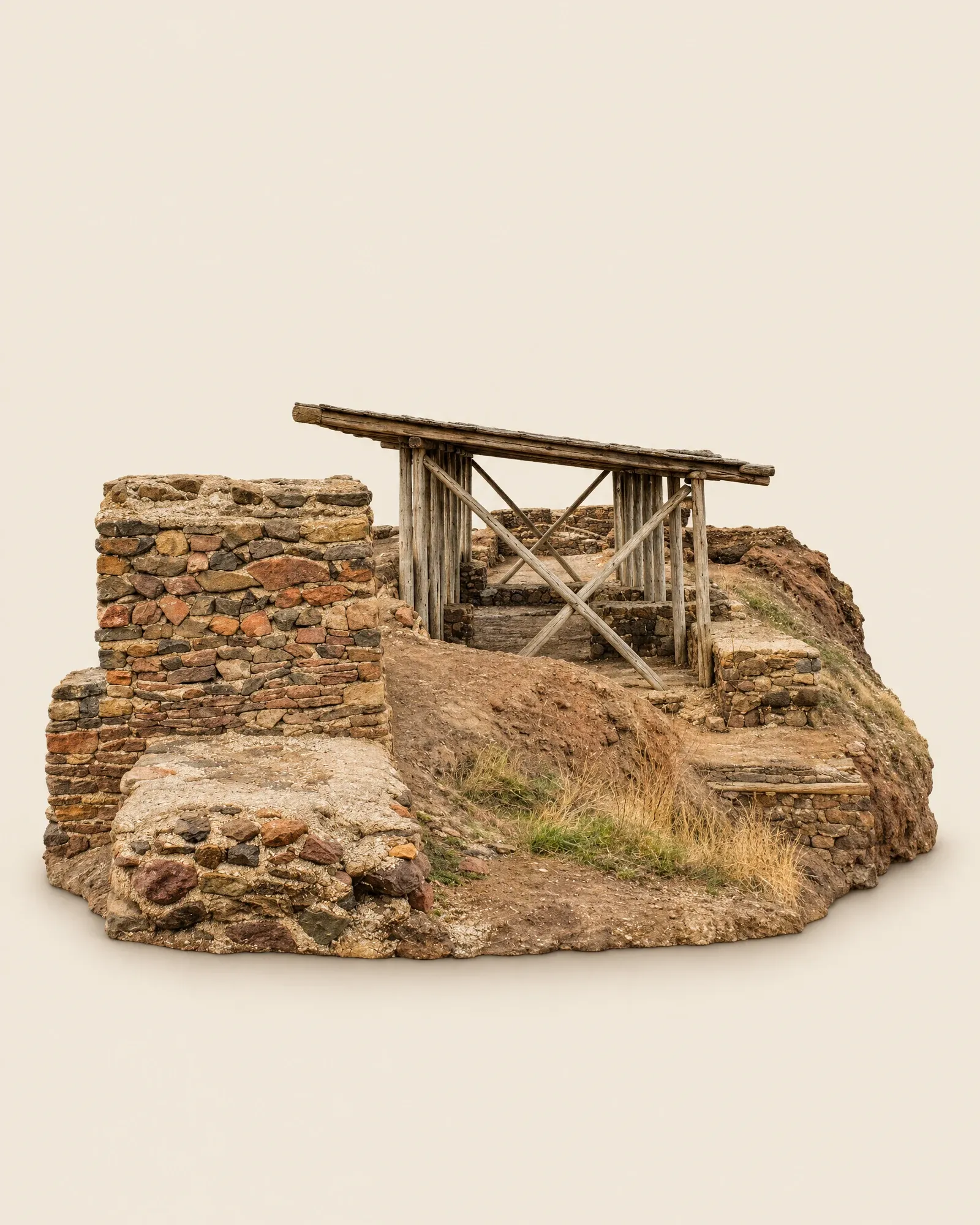
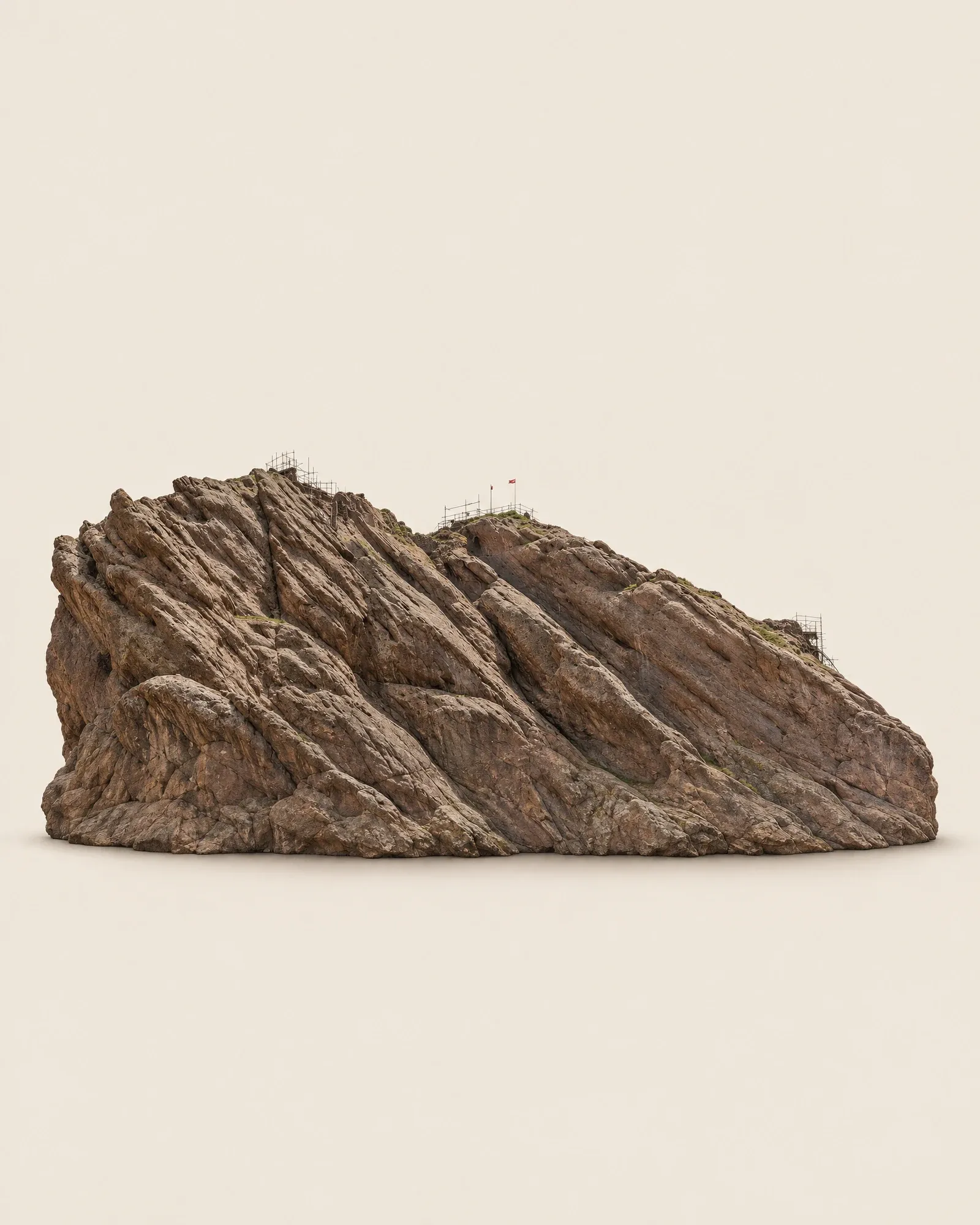
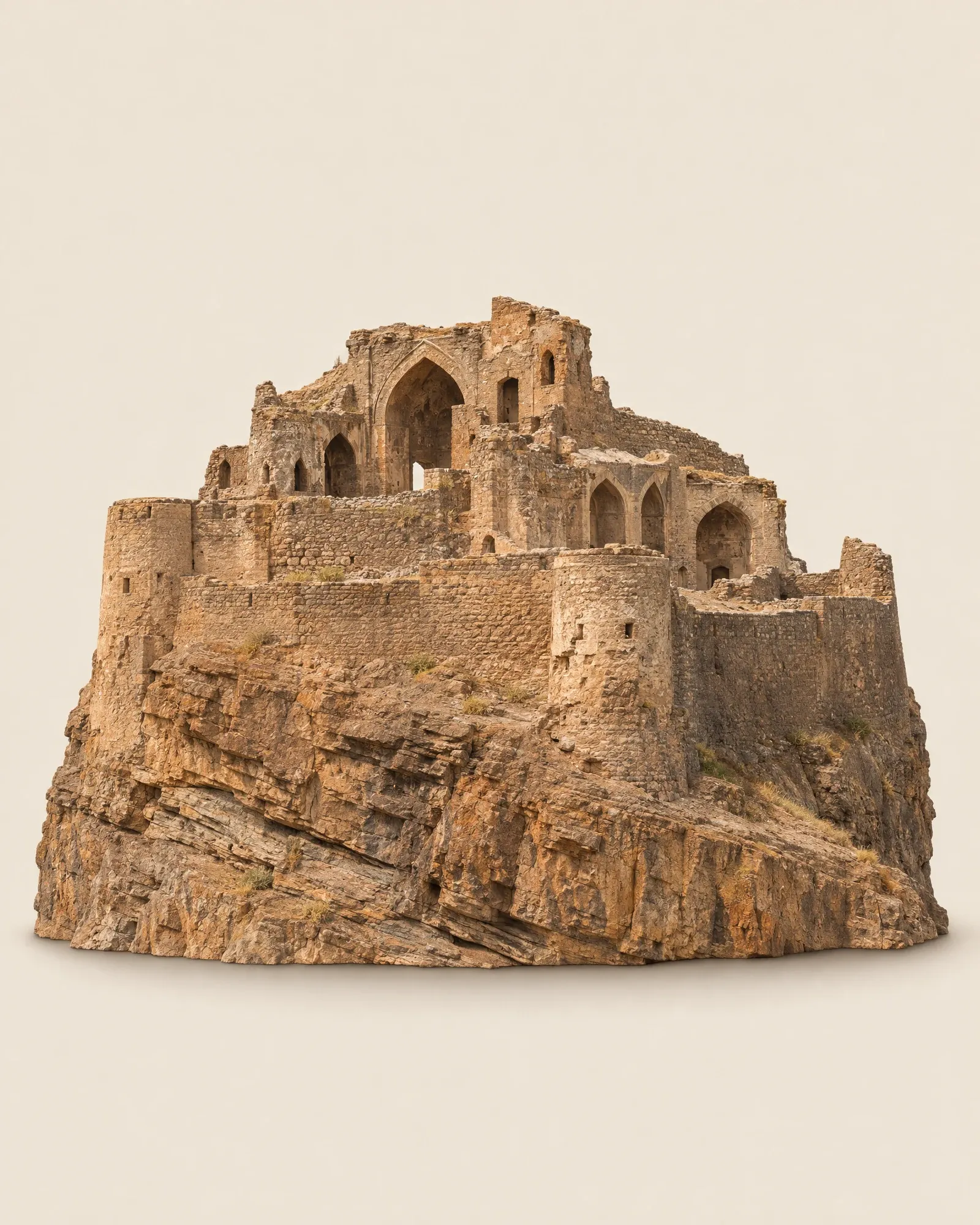
  1. Ruined walls on the summit of the rock of Alamut
    Ali al-Hadi20th · c. 1095–c. 1162
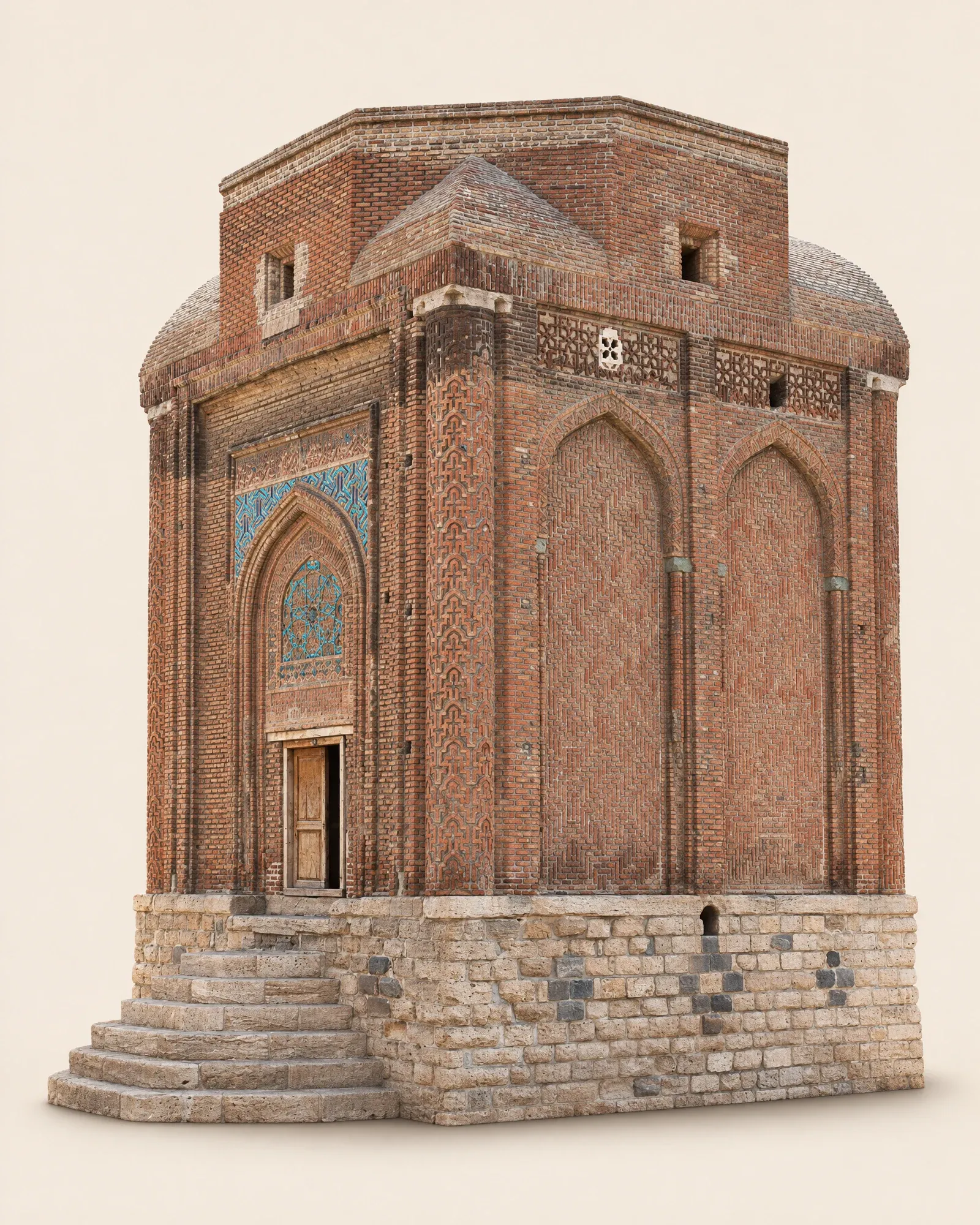
  2. Studio rendering of the Gonbad-e Sorkh tomb tower, Maragheh, 1147–1148
    Muhammad al-Muhtadi21st · c. 1095–c. 1162
  3. The rock of Alamut above a field of white blossoms
    Hasan al-Qahir22nd · c. 1095–c. 1162
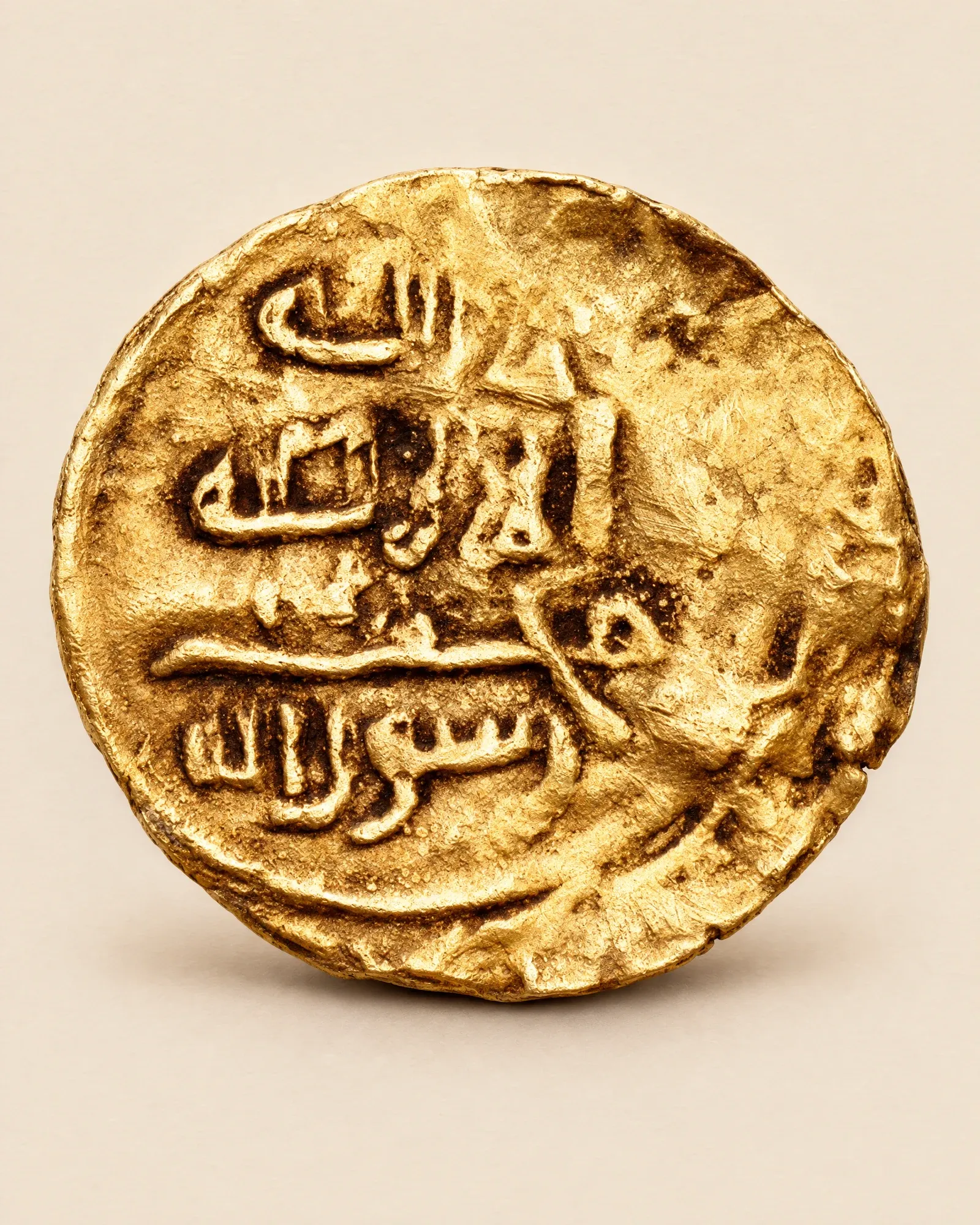
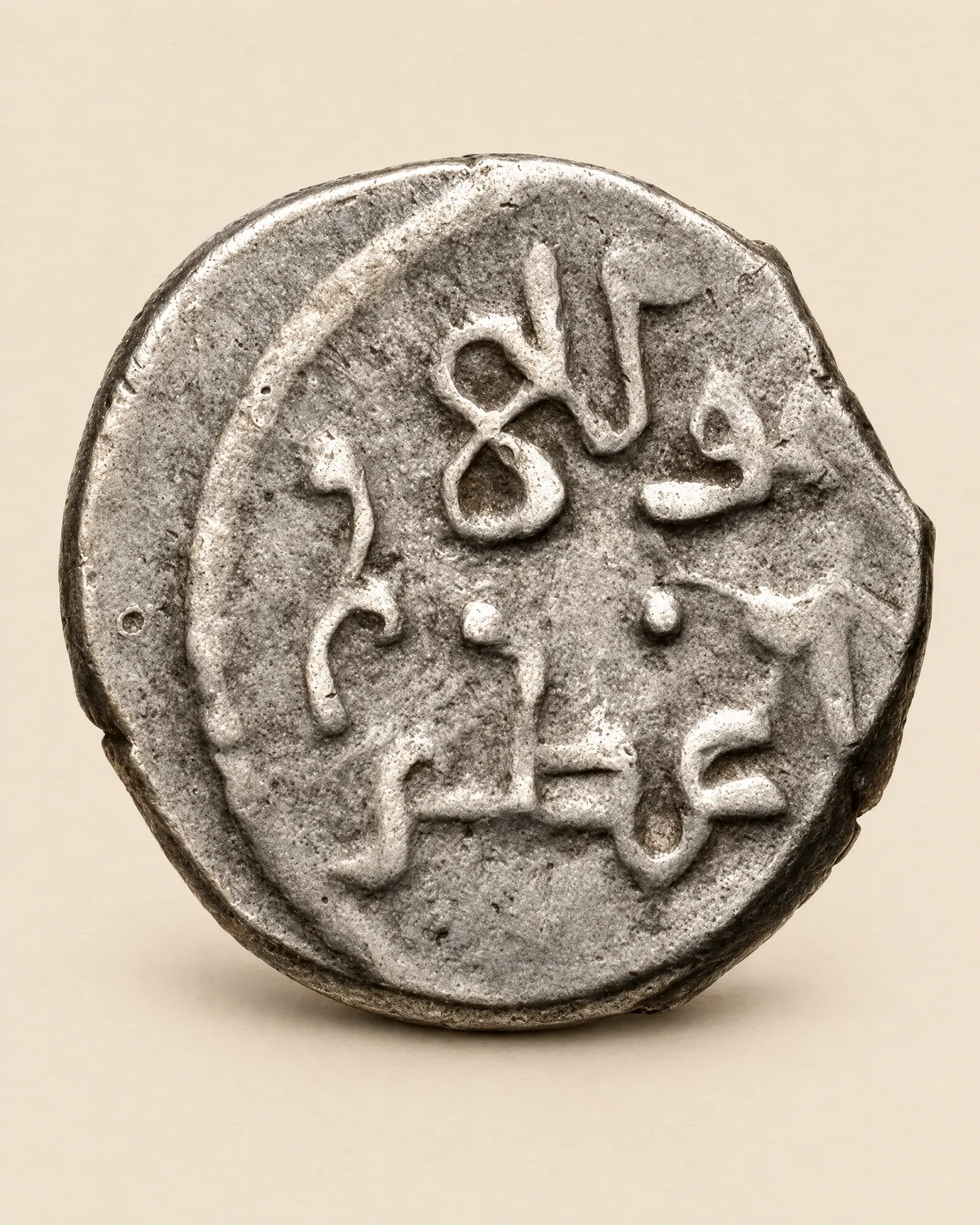
  4. Obverse and reverse of a small Nizari gold coin
    Hasan II23rd · 1162–1166
  5. Studio rendering of Masyaf castle, Syria, held by the Nizaris from 1141
    Nur al-Din Muhammad II24th · 1166–1210
  6. View of mountains from the summit of Alamut
    Jalal al-Din Hasan III25th · 1210–1221
  7. Obverse and reverse of a small silver Nizari coin
    Ala al-Din Muhammad III26th · 1221–1255
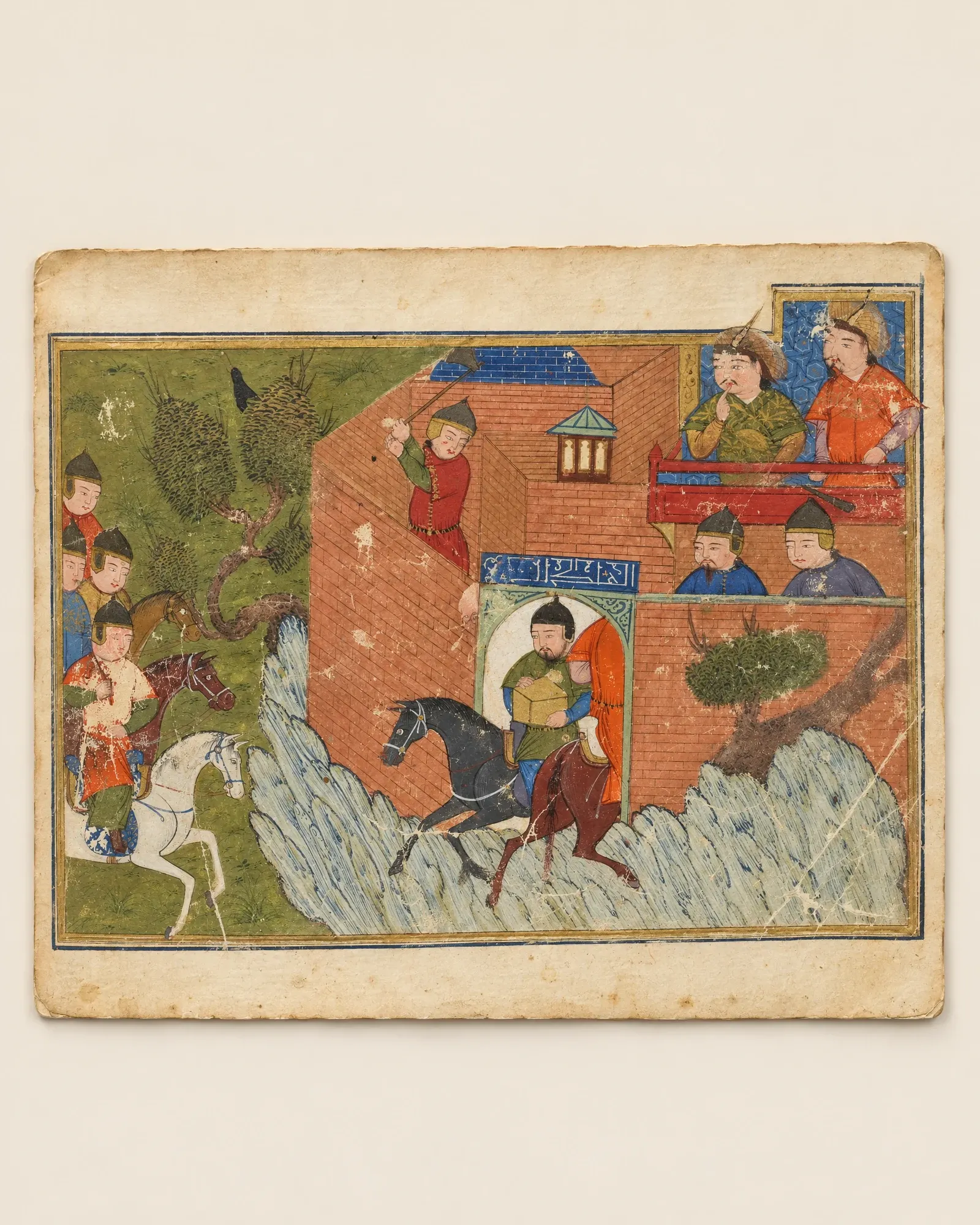
  8. Persian miniature of Mongol horsemen before a fortress
    Rukn al-Din Khurshah27th · 1255–c. 1257

After Alamut

1256–1722

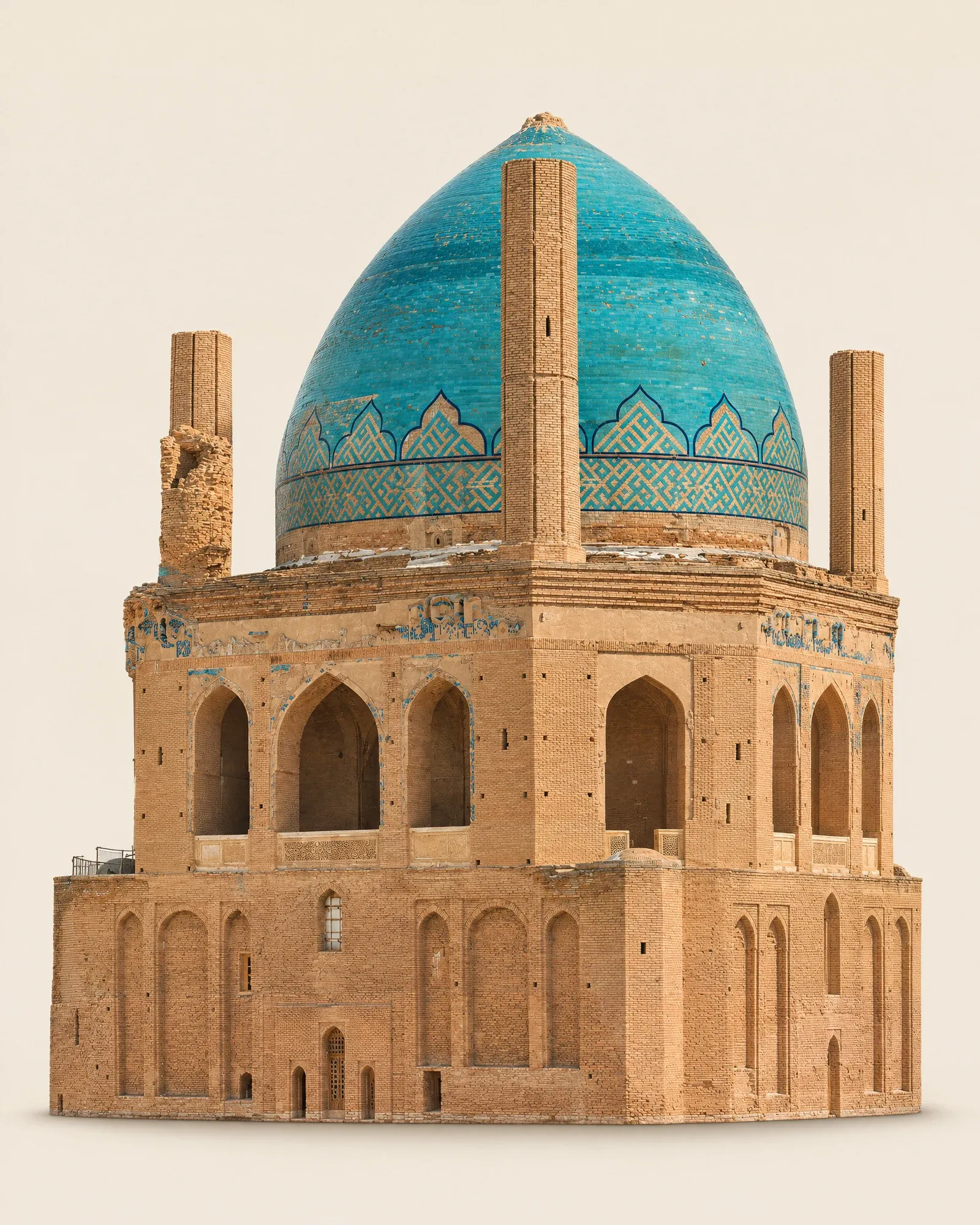
  1. Studio rendering of the Dome of Soltaniyeh, built 1302–1312
    Shams al-Din Muhammad28th · 1257–c. 1310
  2. Studio rendering of the Arg of Tabriz, built c
    Qasim Shah29th · c. 1310–c. 1370
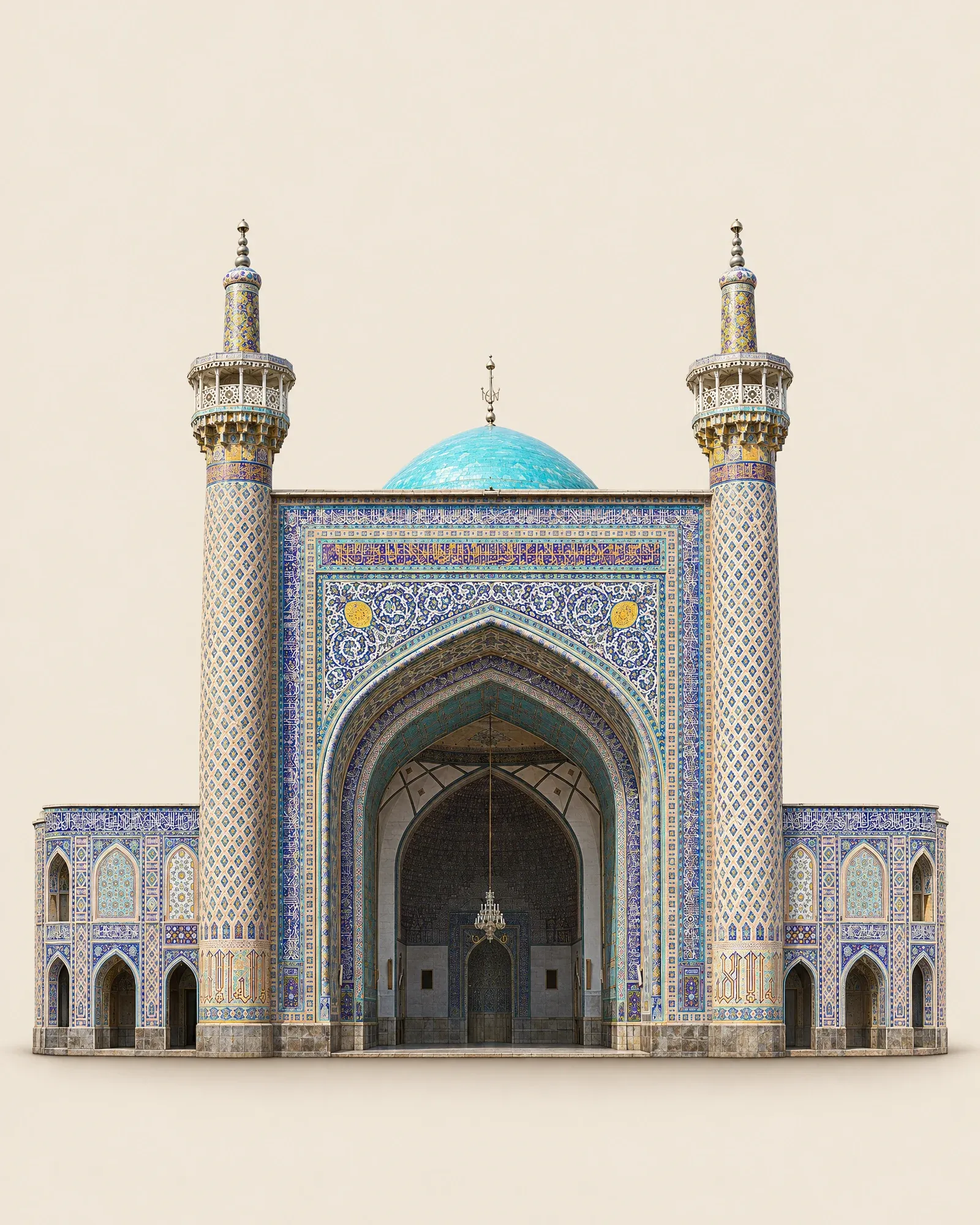
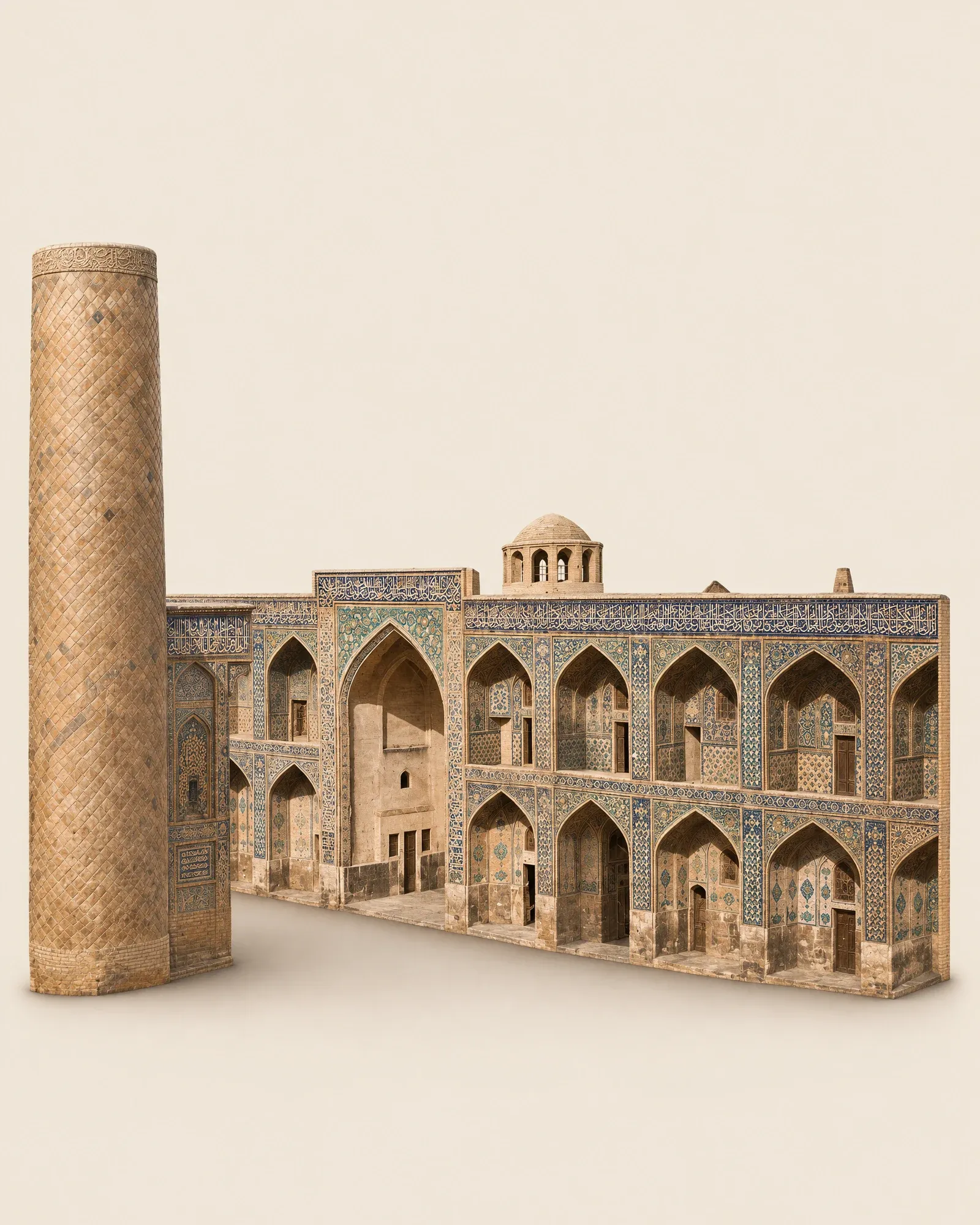
  3. Studio rendering of the Goharshad Mosque, Mashhad, completed 1418
    Islam Shah30th · c. 1370–c. 1425
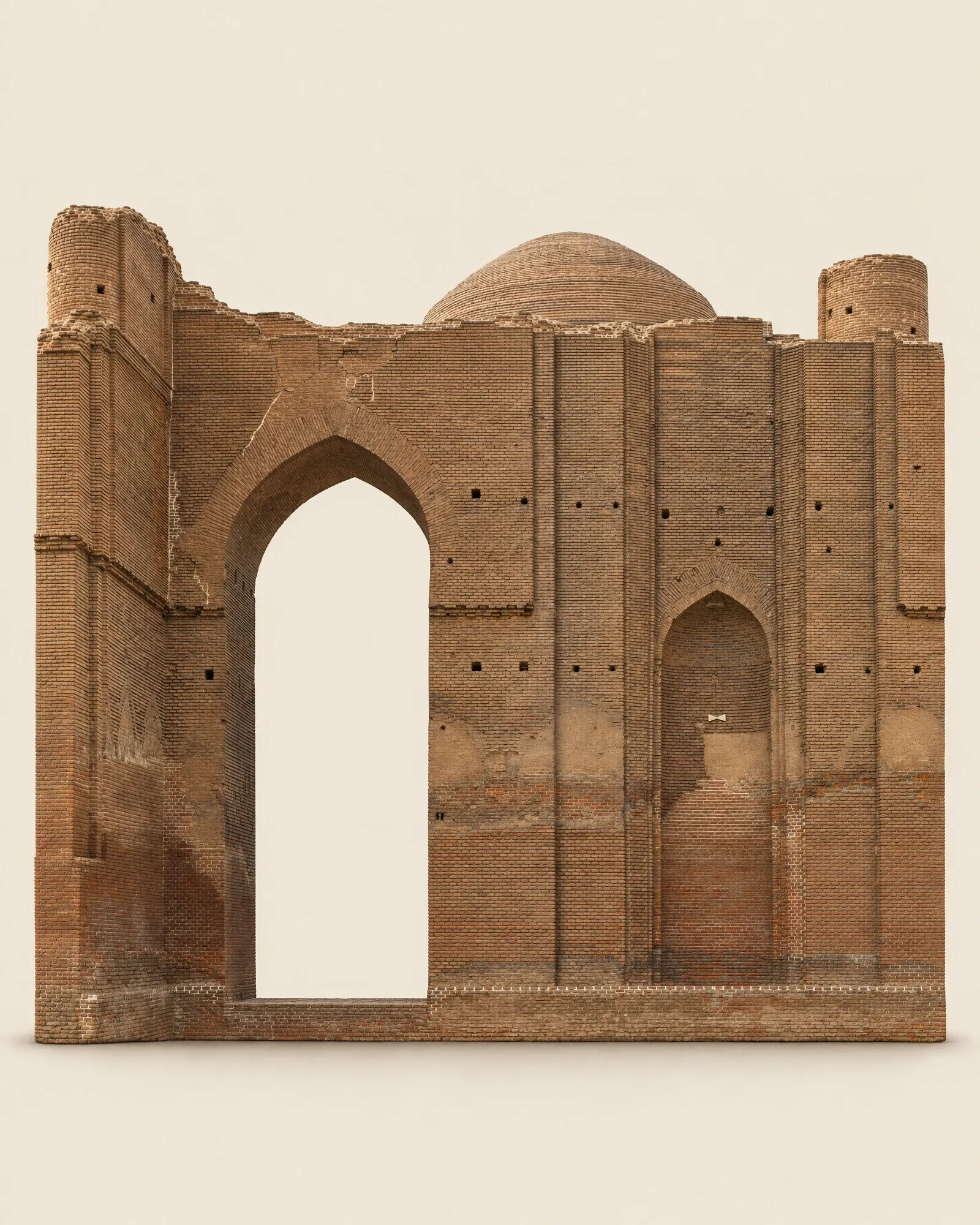
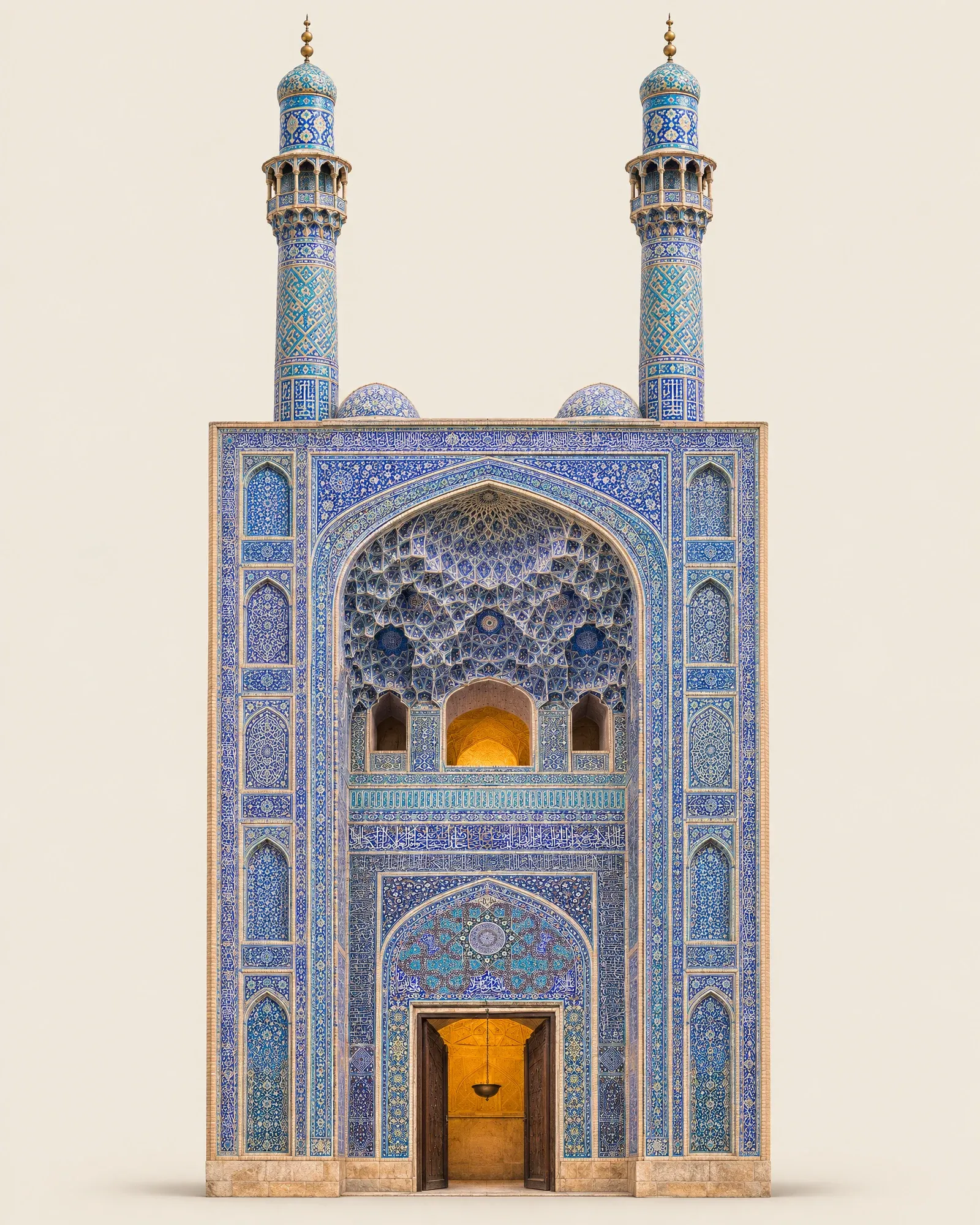
  4. Studio rendering of Entrance portal of the Jameh Mosque of Yazd, 14th century
    Muhammad ibn Islam Shah31st · c. 1425–c. 1463
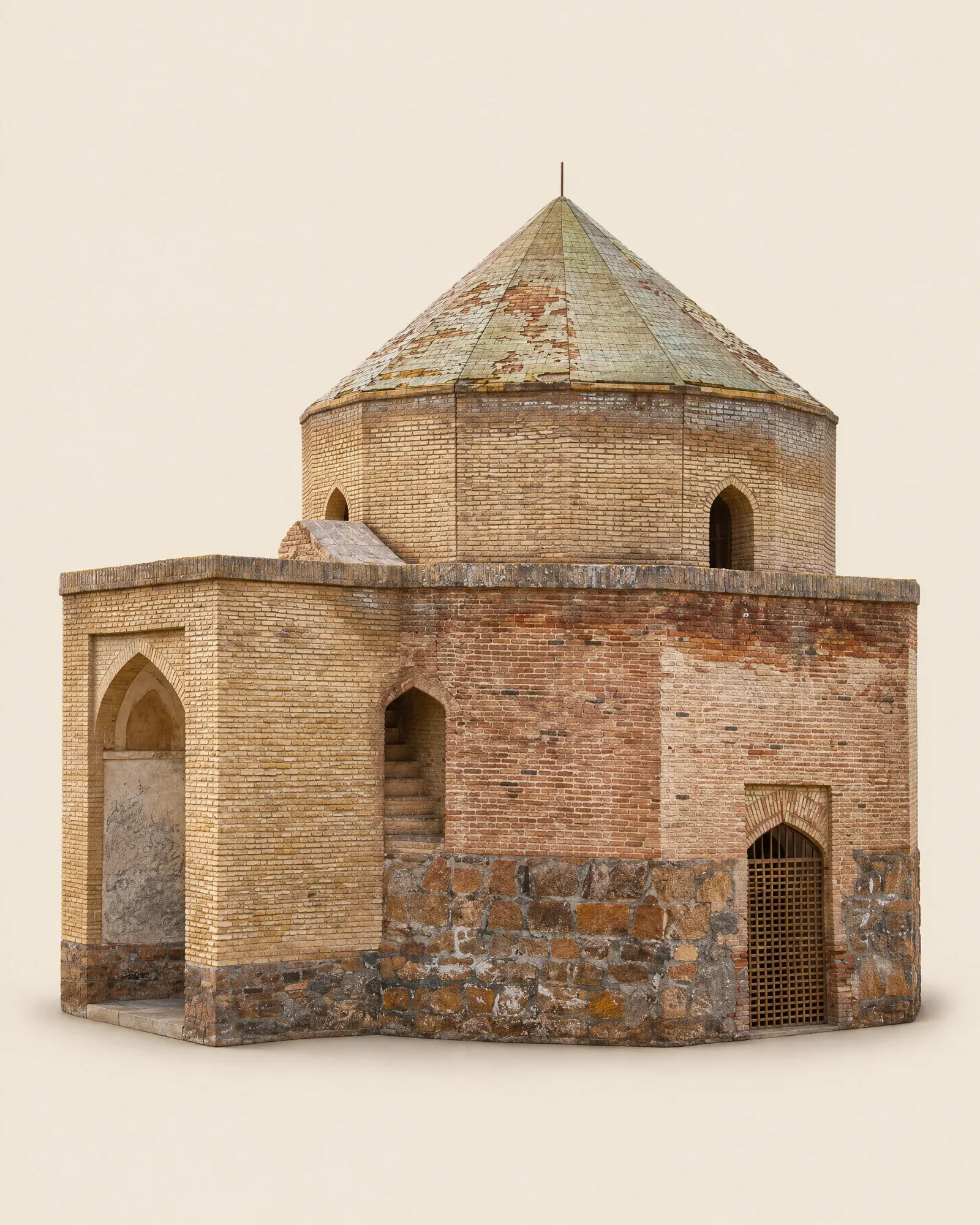
  5. A small brick mausoleum with a conical roof among trees at Anjudan
    Mustansir bi'llah II32nd · c. 1463–1480
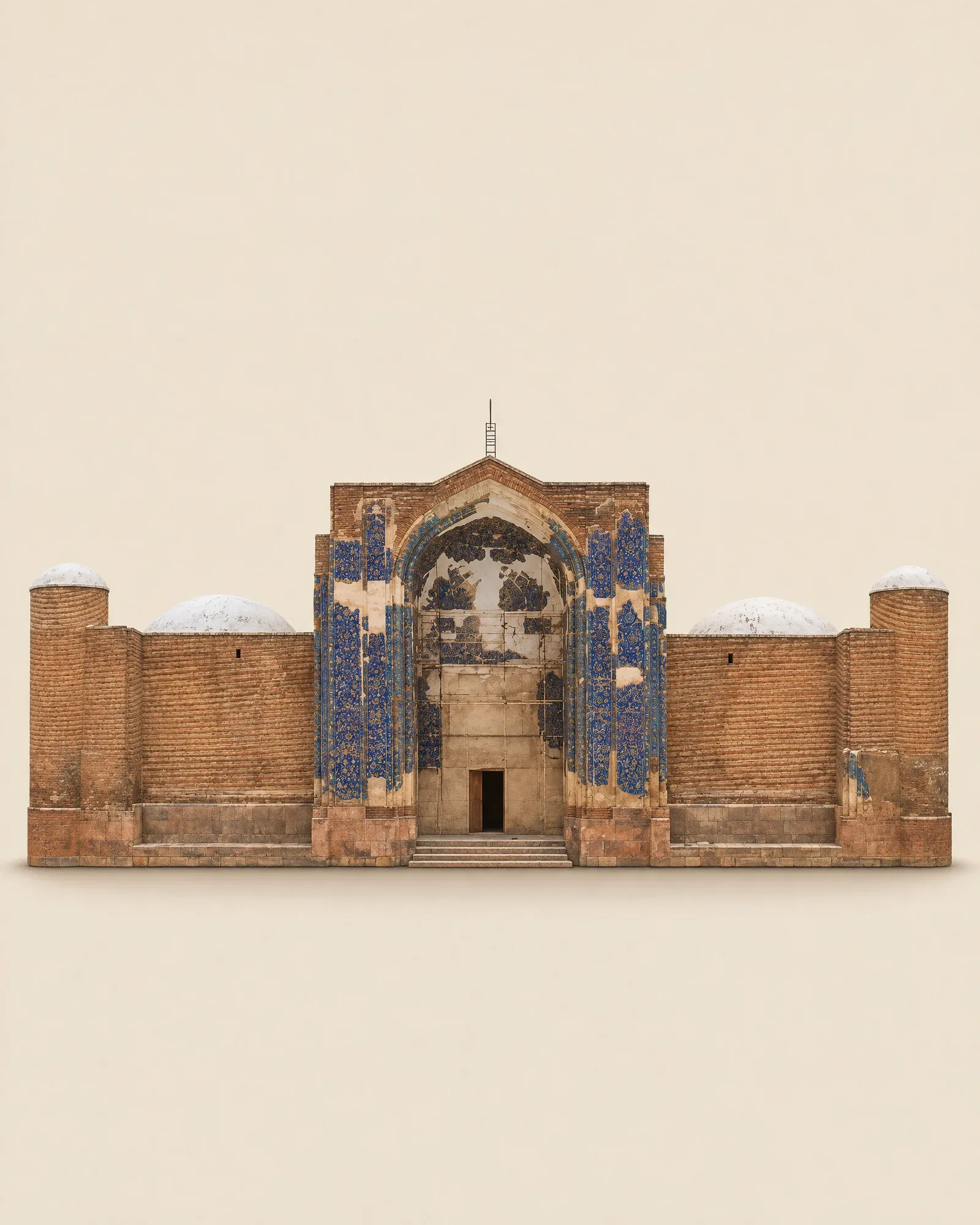
  6. Studio rendering of the Blue Mosque of Tabriz, built 1465
    Abd al-Salam Shah33rd · 1480–c. 1494
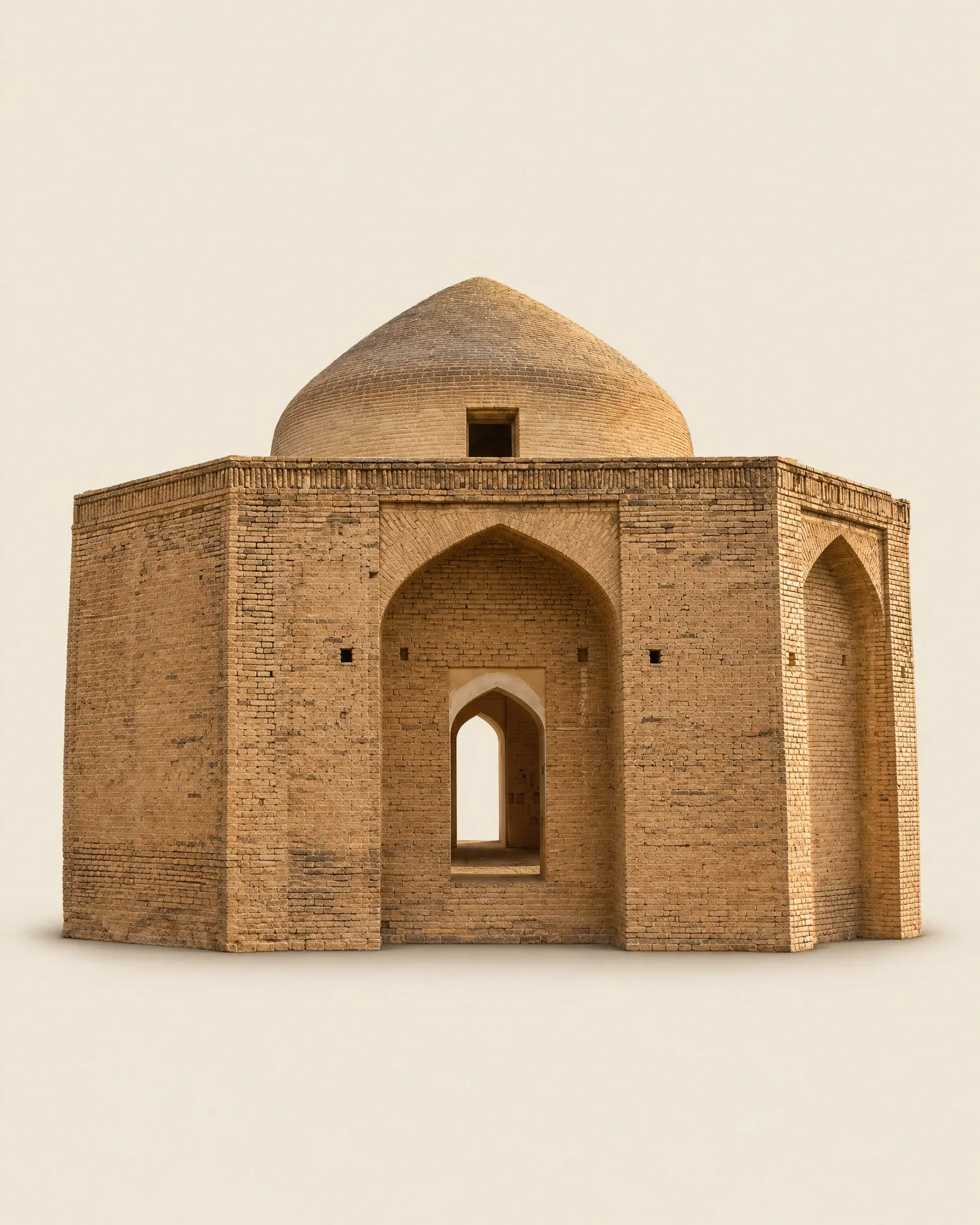
  7. An octagonal domed mausoleum at Anjudan
    Gharib Mirza34th · c. 1494–1498
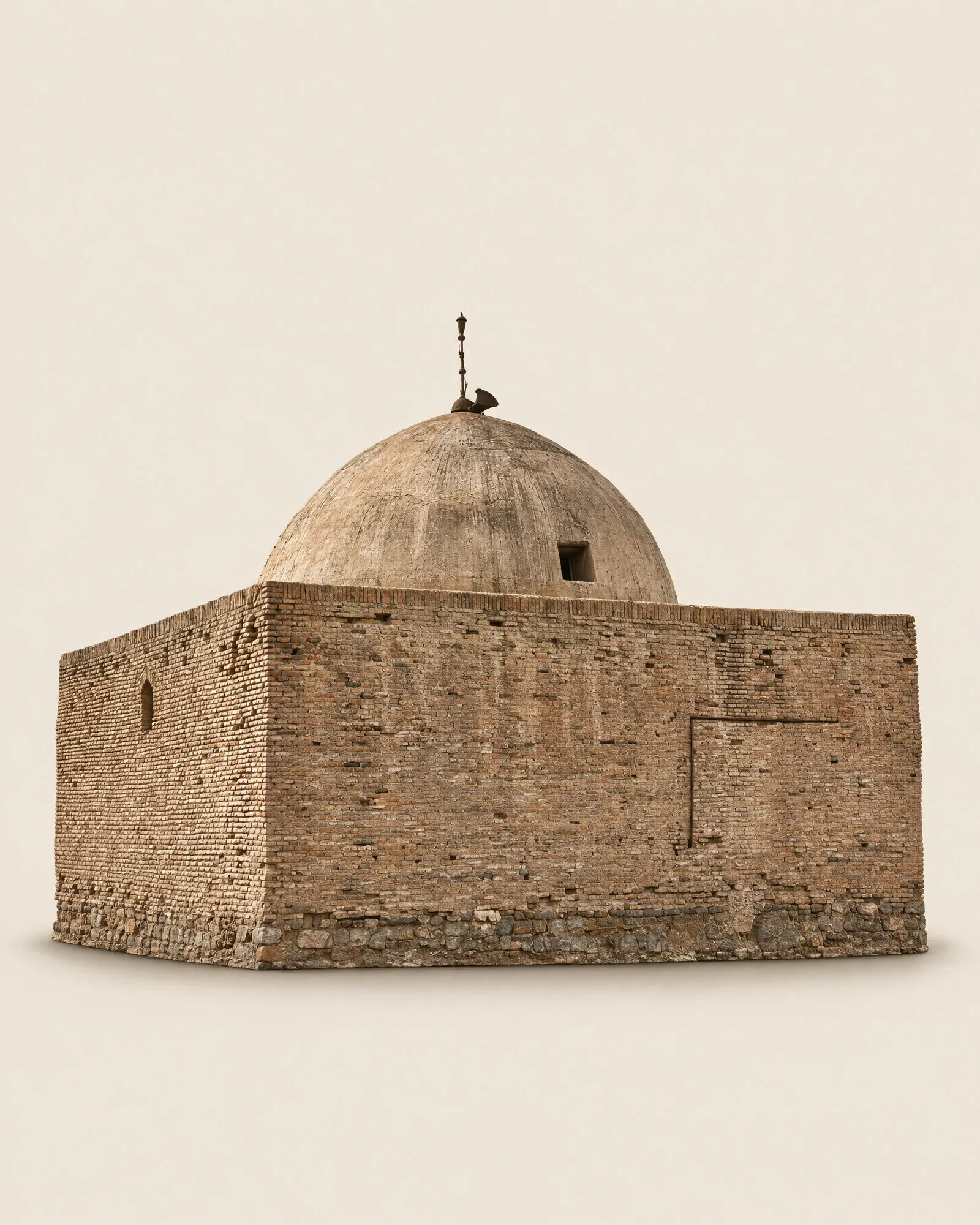
  8. A domed square mausoleum under a dramatic sky
    Abu Dharr Ali35th · c. 1498–c. 1560
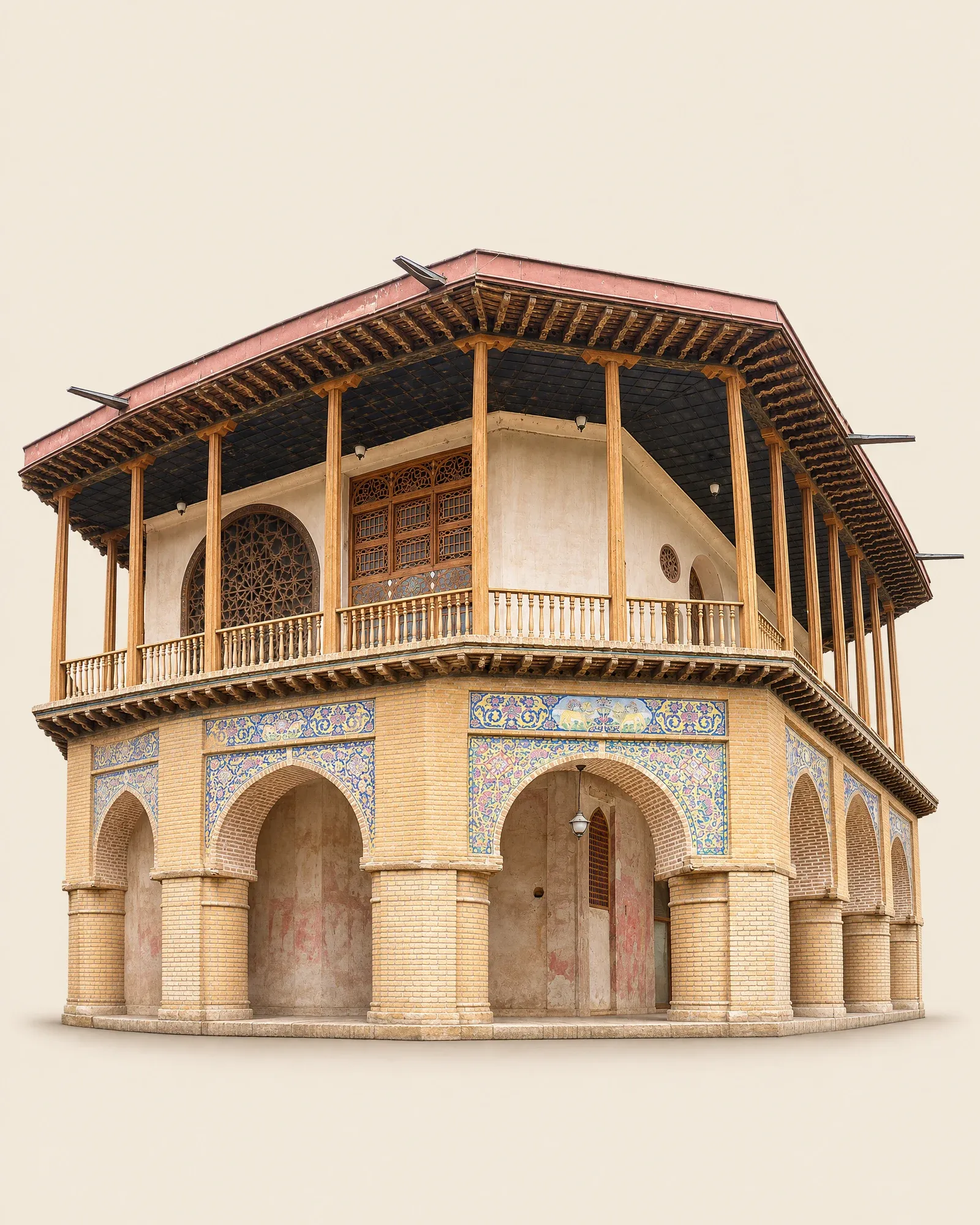
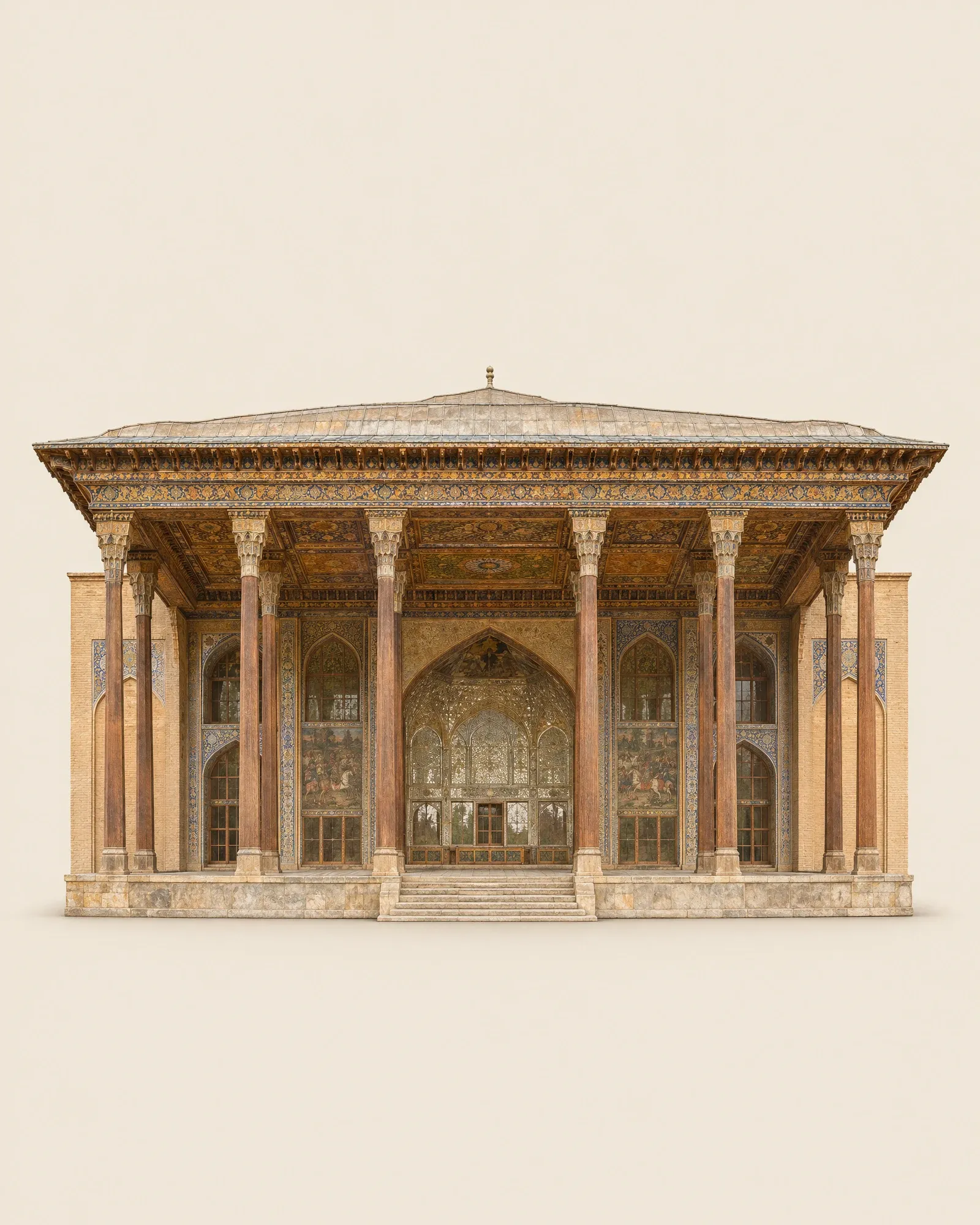
  9. Studio rendering of the Chehel Sotoun pavilion, Qazvin, built in the 16th century when Qazvin was the Safavid capital
    Murad Mirza36th · c. 1560–1574
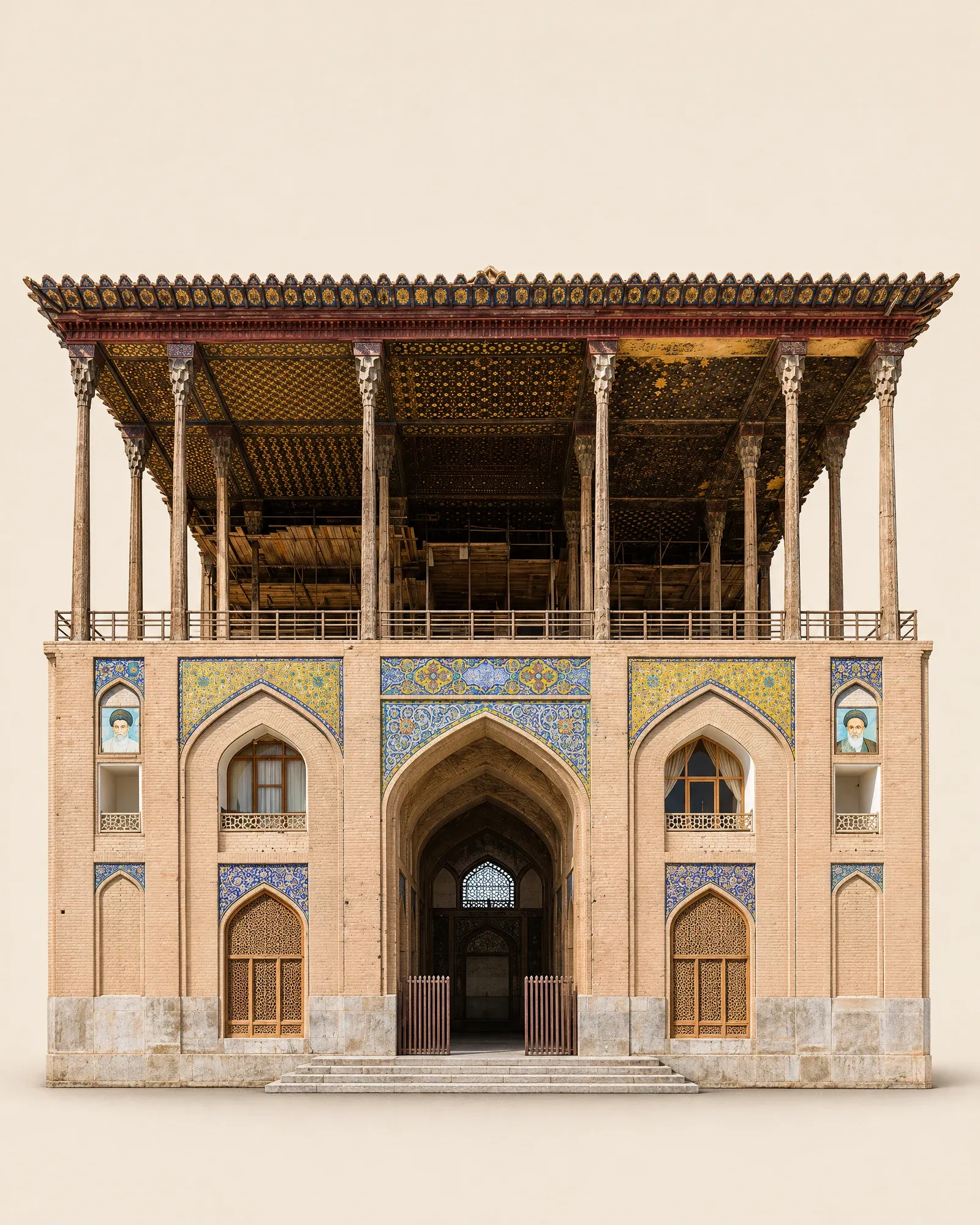
  10. Studio rendering of the Ali Qapu palace, Isfahan, begun c
    Dhu'l-Fiqar Ali37th · 1574–1634
  11. Studio rendering of the Chehel Sotoun palace, Isfahan, completed 1647
    Nur al-Dahr Ali38th · 1634–1671
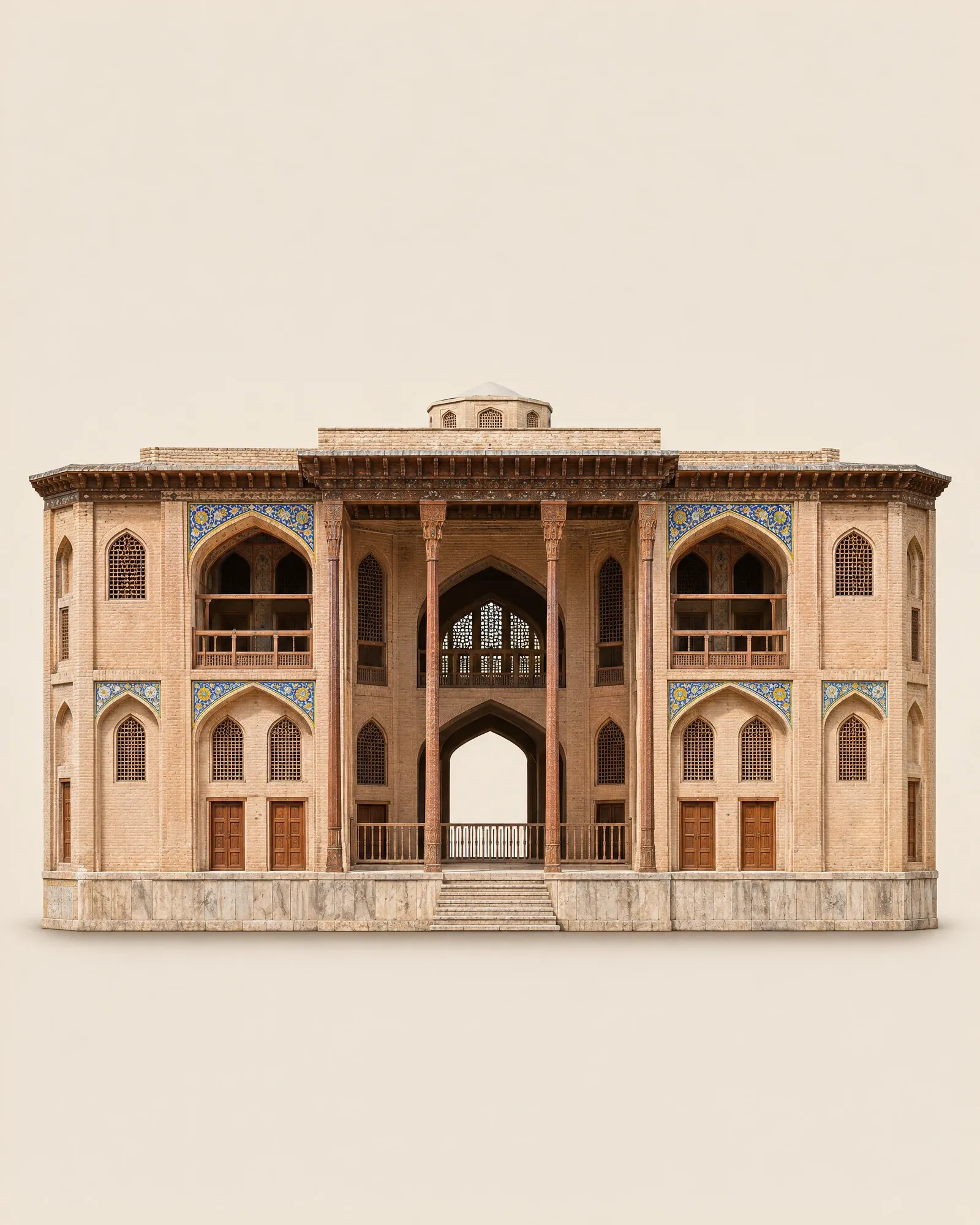
  12. Studio rendering of the Hasht Behesht palace, Isfahan, built 1669
    Khalil Allah II39th · 1671–1680
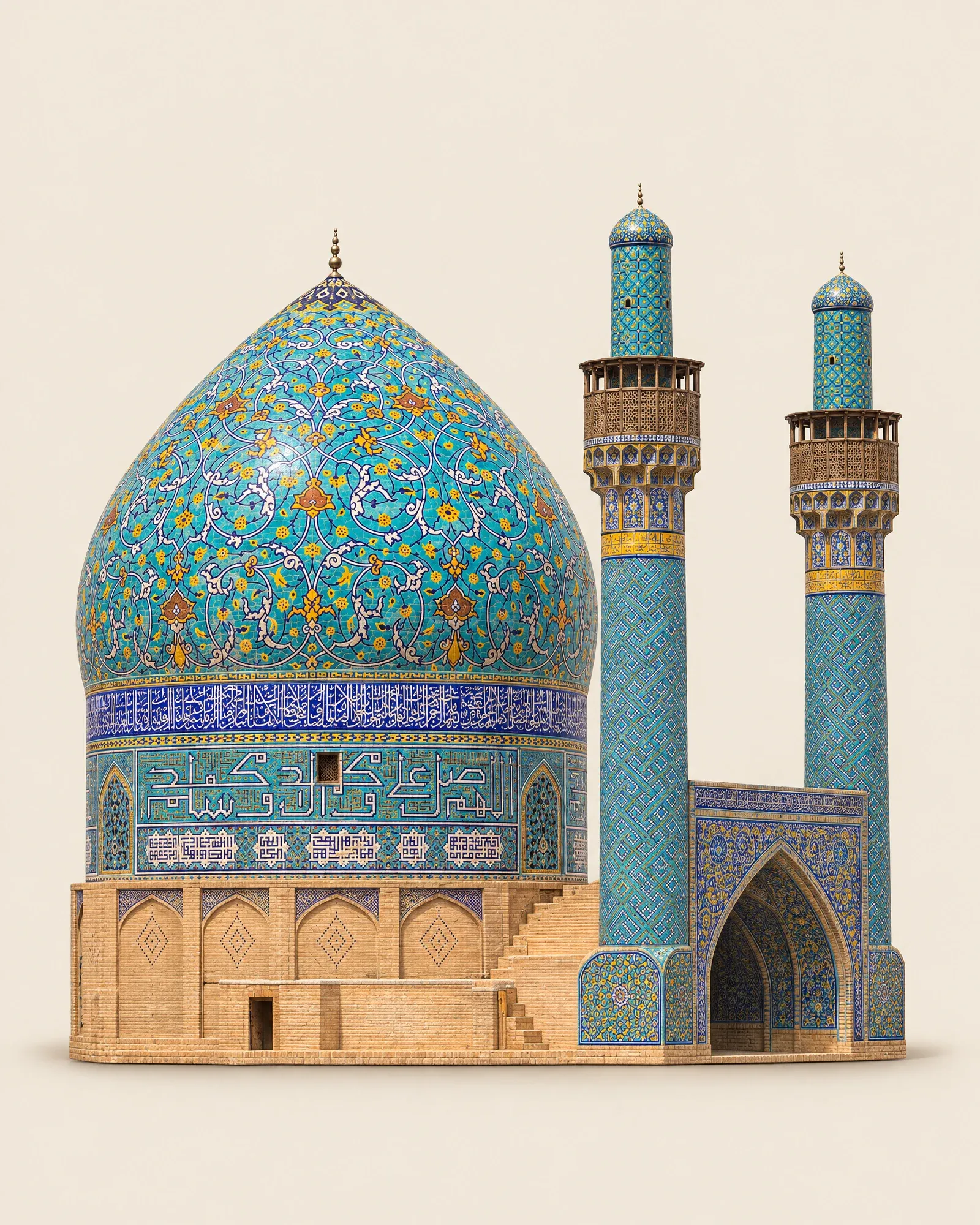
  1. Studio rendering of the Chaharbagh School, Isfahan, built 1704–1714
    Shah Nizar II40th · 1680–1722
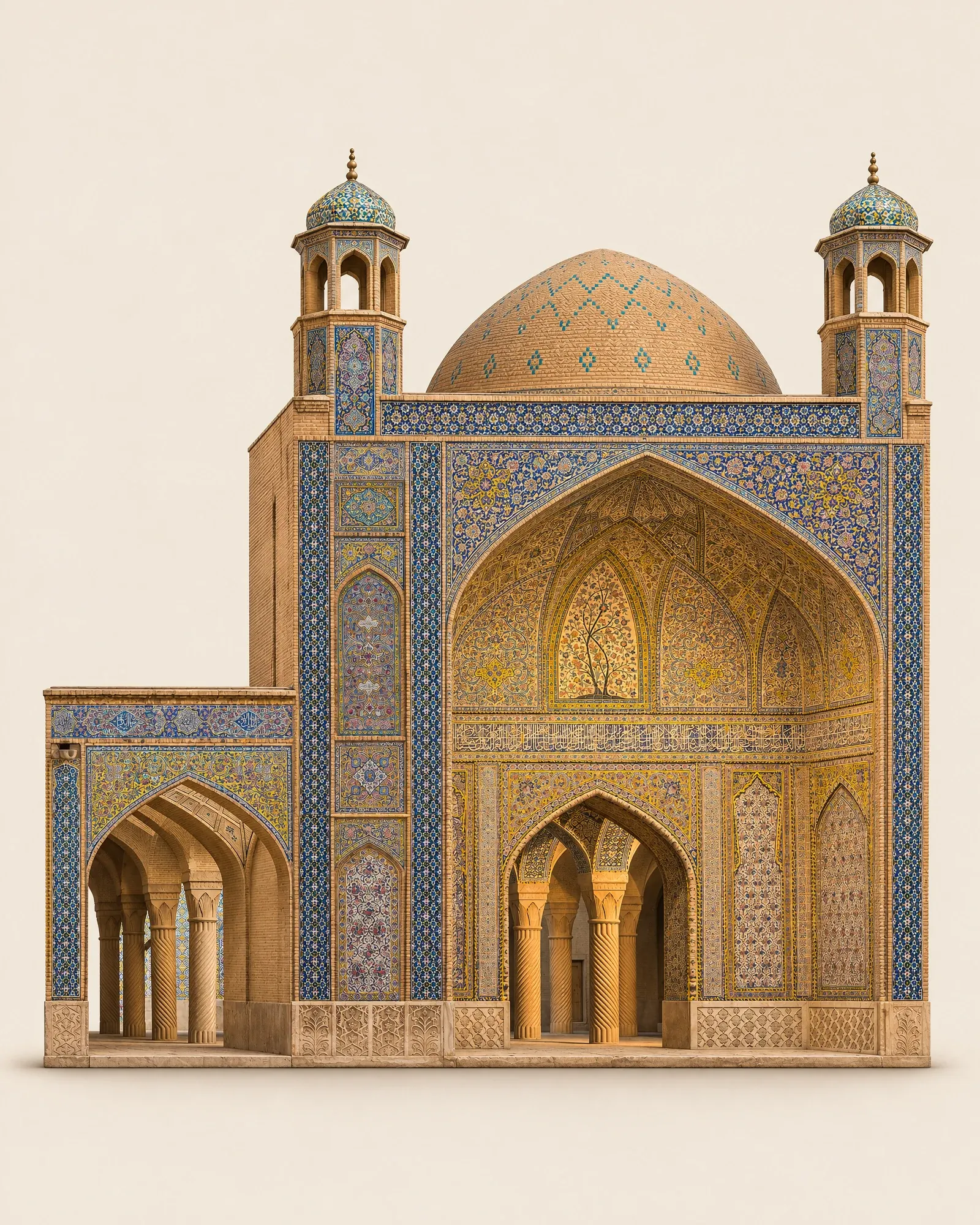
  2. Studio rendering of the Vakil Mosque, Shiraz, begun 1751
    Sayyid Ali41st · 1722–1754
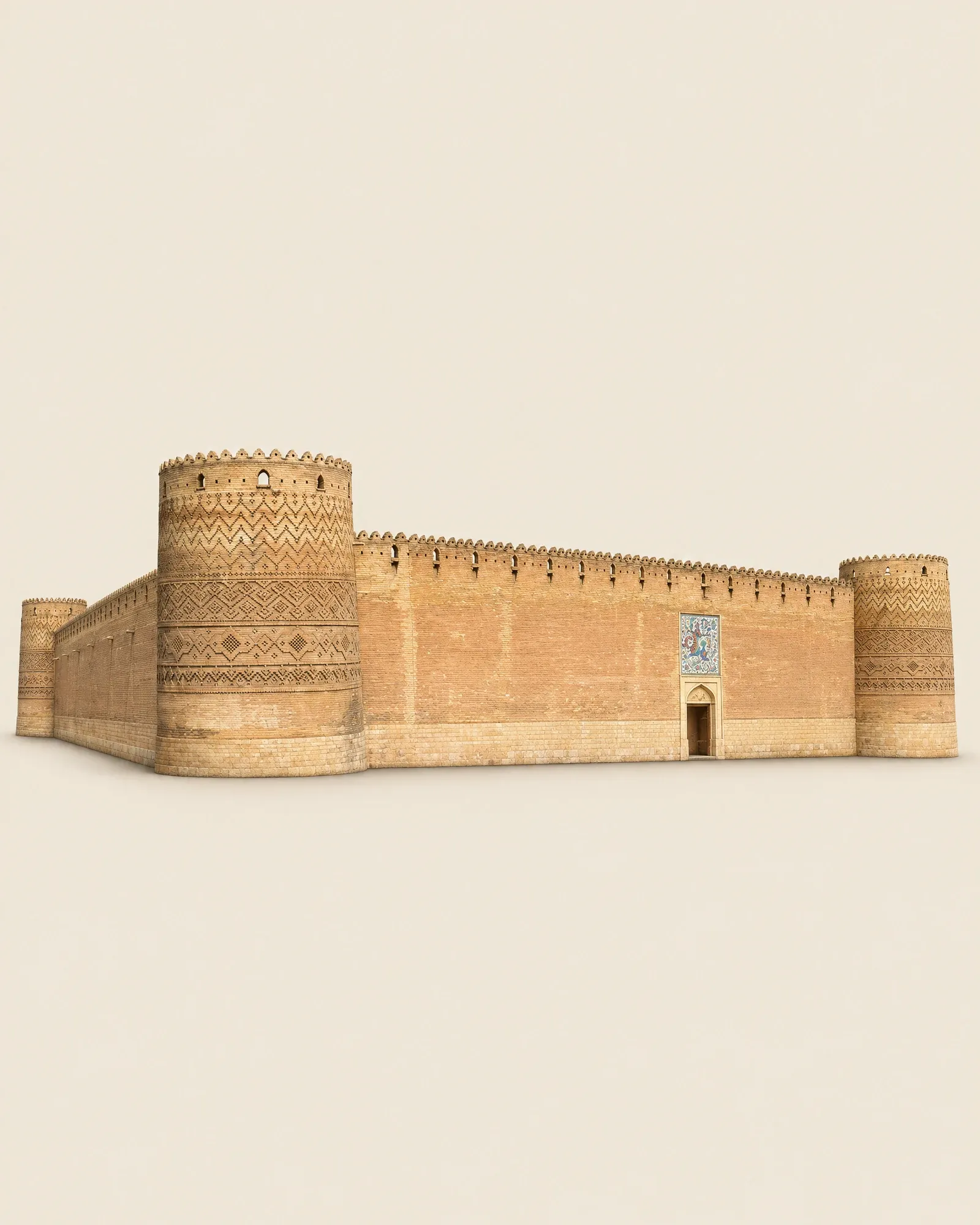
  3. Studio rendering of the Arg of Karim Khan, Shiraz, built 1766–1767
    Hasan Ali42nd · 1754–c. 1755
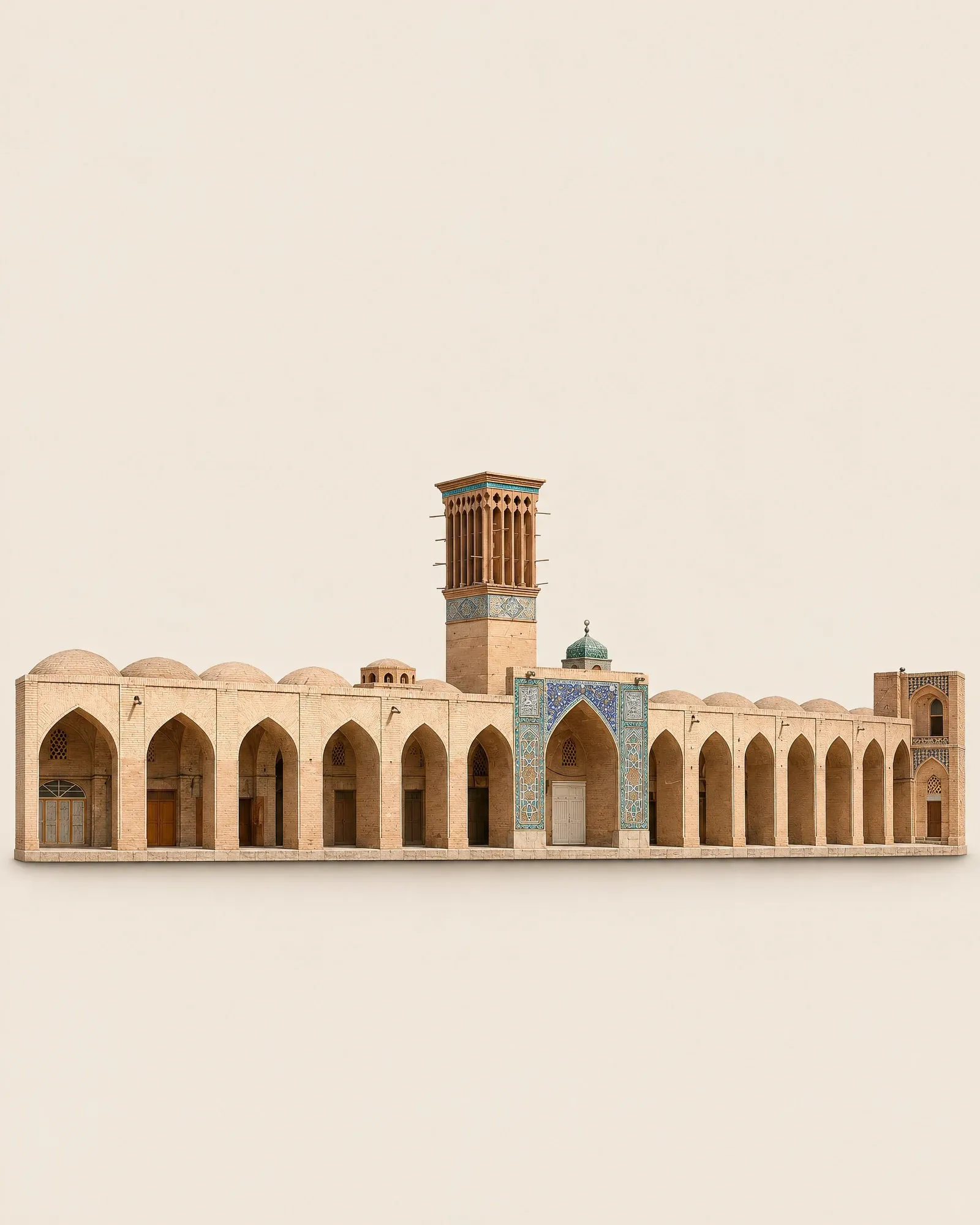
  4. Studio rendering of the Ganjali Khan complex, Kerman, built 1598–1619
    Qasim Ali43rd · c. 1755–c. 1756
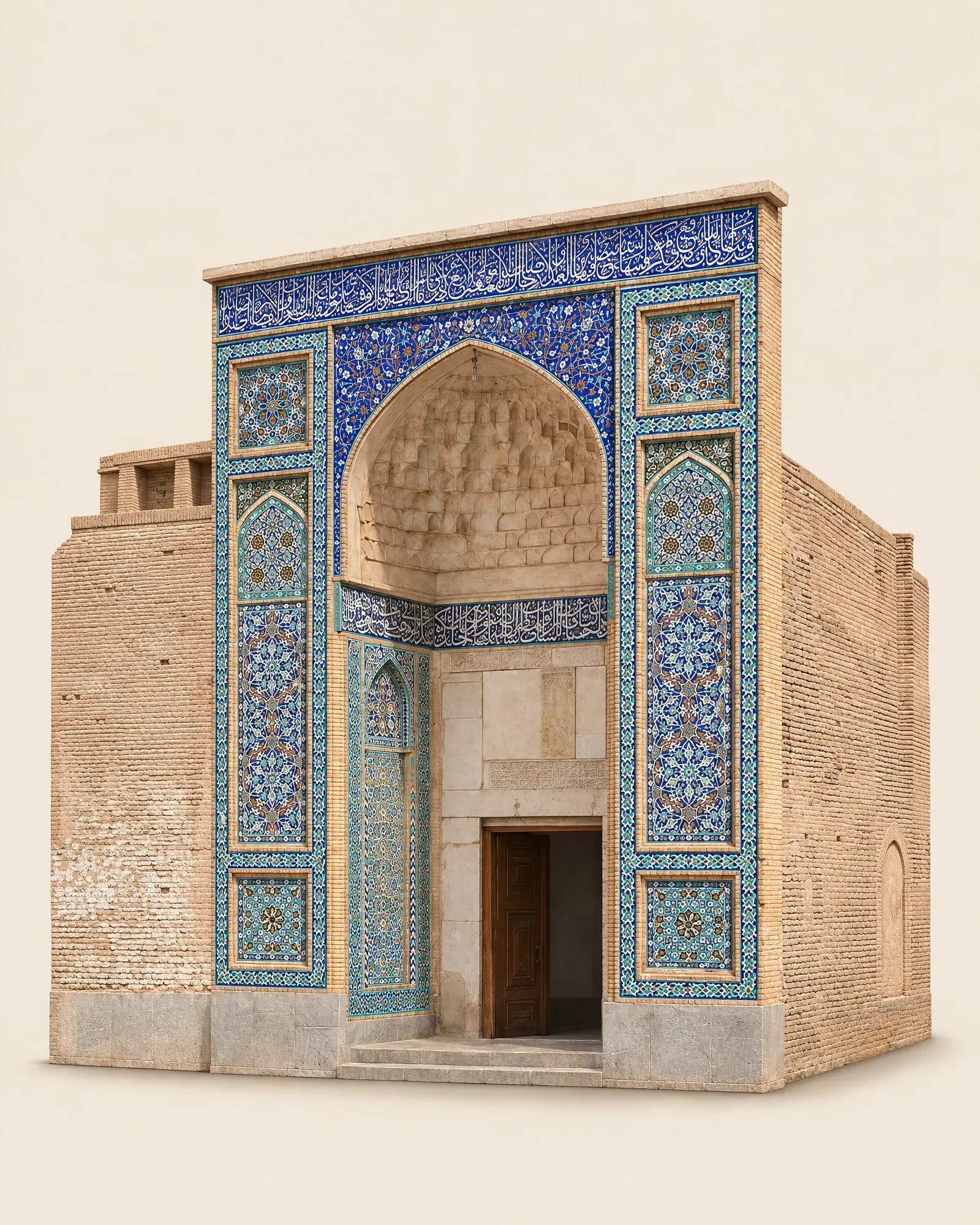
  5. Studio rendering of Entrance portal of the Jameh Mosque of Kerman, built 1349, in the province he governed
    Abu'l-Hasan Ali44th · c. 1756–1792
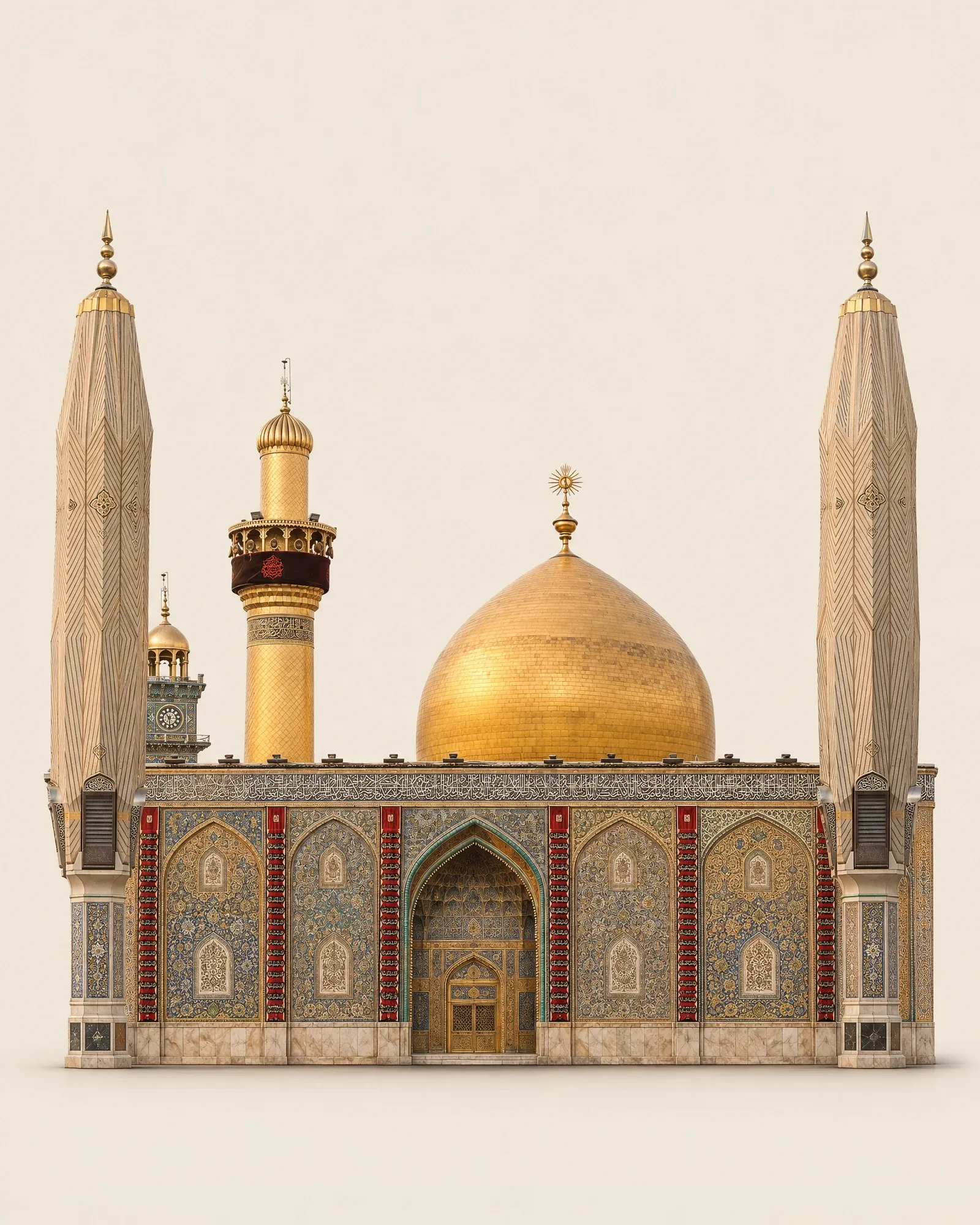
  6. The golden dome and minarets of the shrine of Imam Ali at Najaf in morning light
    Shah Khalil Allah45th · 1792–1817
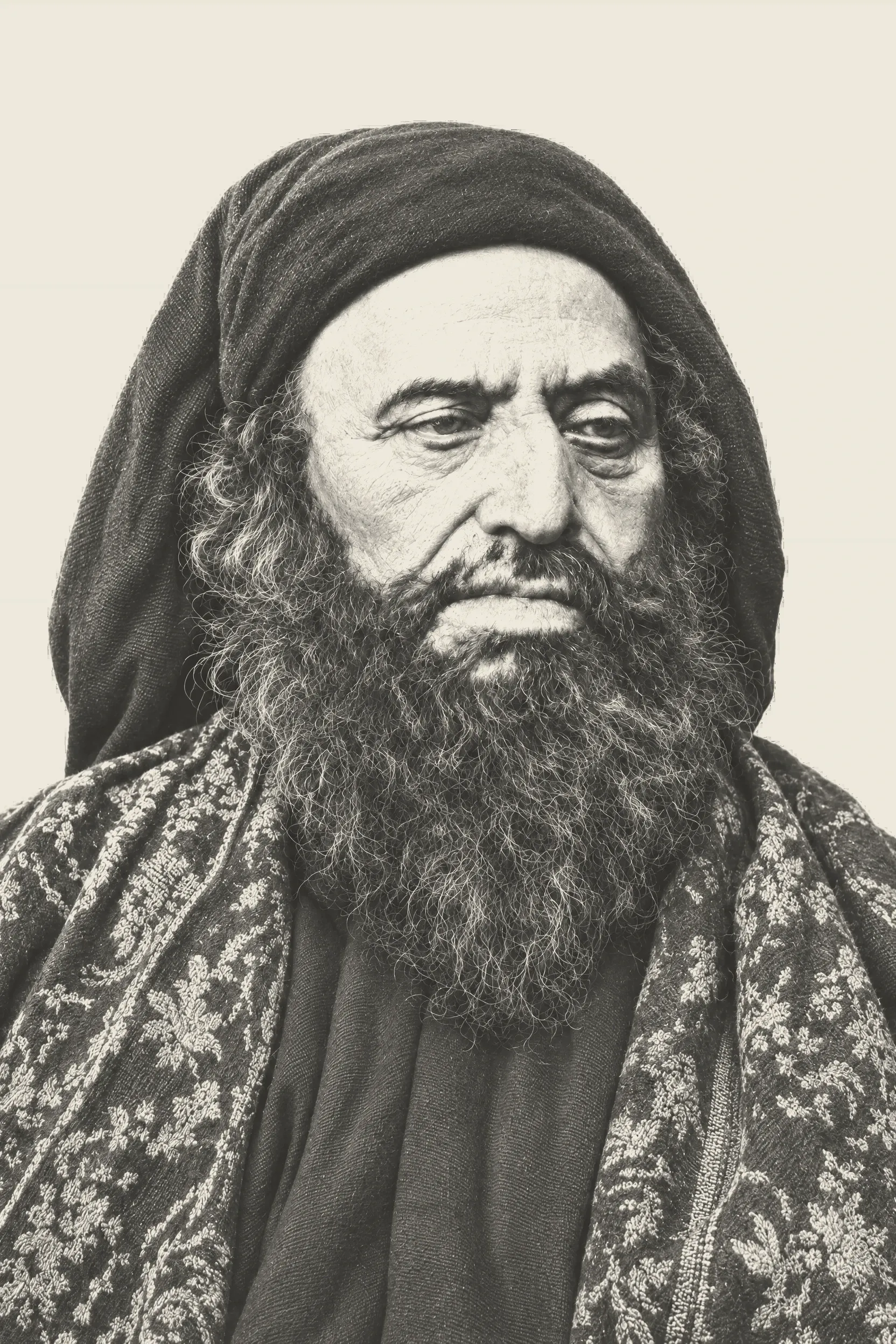
  7. Aga Khan I (Hasan Ali Shah), head and shoulders, bearded, wearing a dark head covering and a patterned shawl
    Hasan Ali Shah46th · 1817–1881
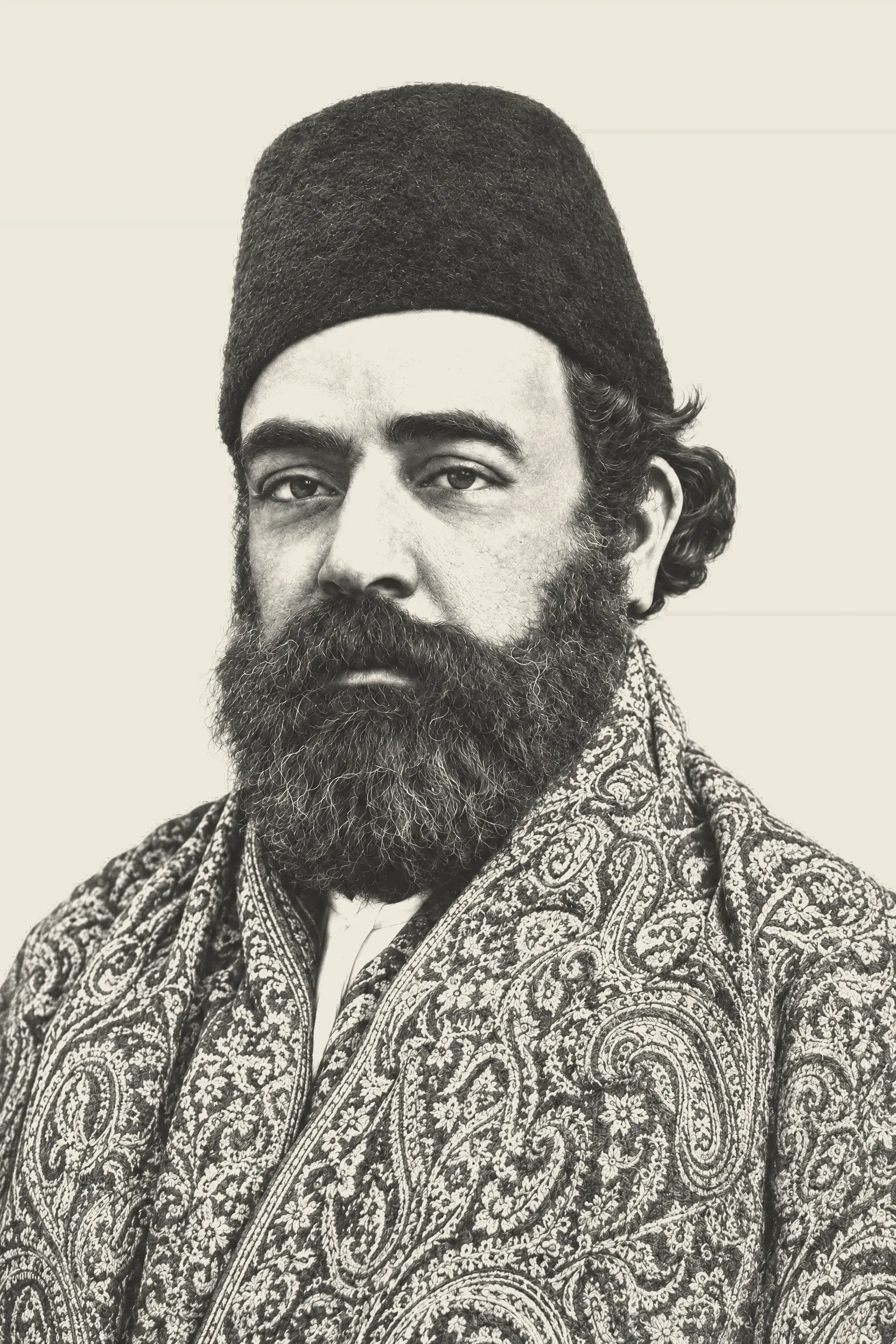
  8. Aga Khan II (Aqa Ali Shah), head and shoulders, bearded, wearing a tall dark lambskin cap and a paisley shawl
    Aqa Ali Shah47th · 1881–1885
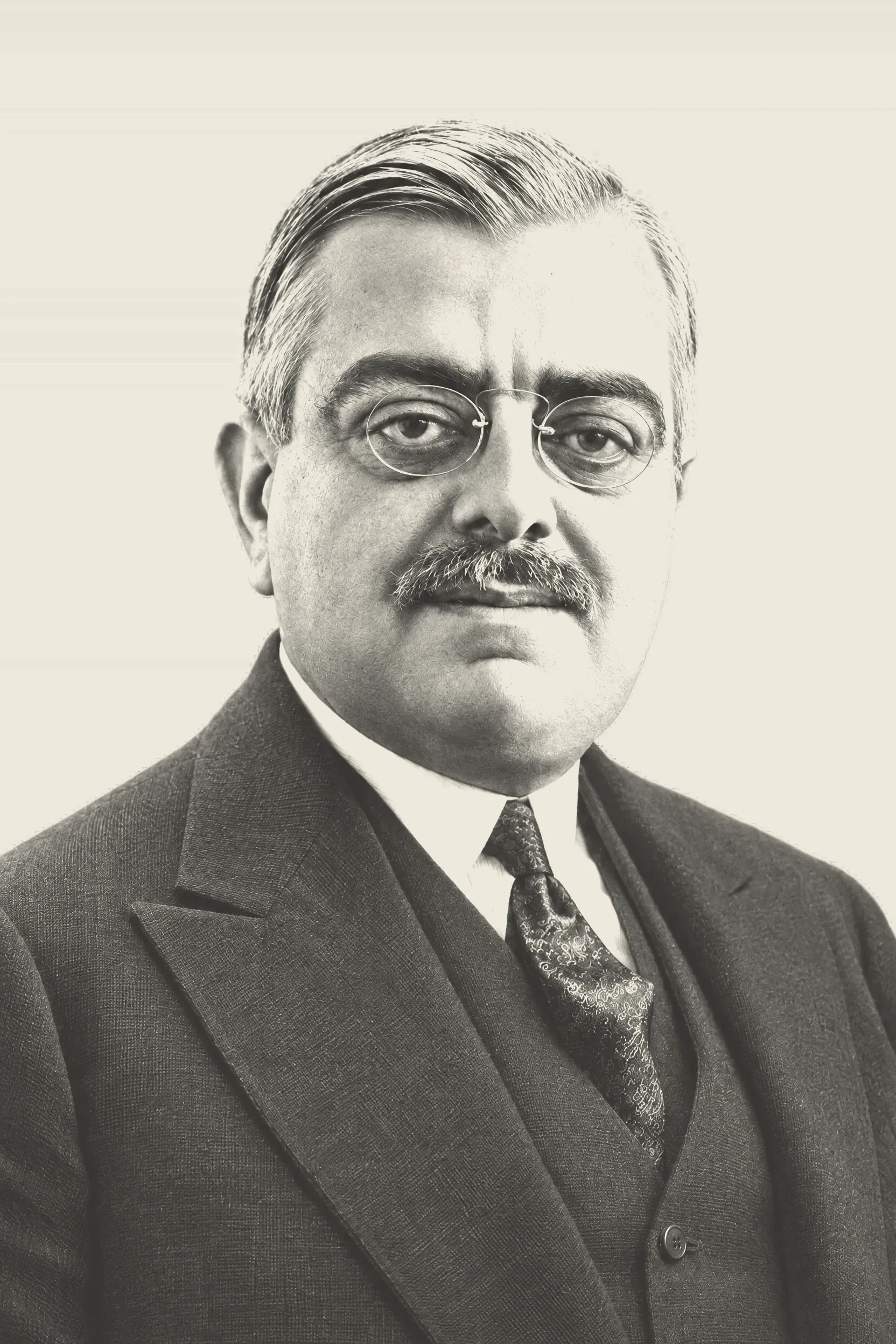
  1. Aga Khan III (Sultan Muhammad Shah), head and shoulders, wearing round spectacles, a moustache and a dark three-piece suit
    Aga Khan III48th · 1885–1957

The Present

1957–present

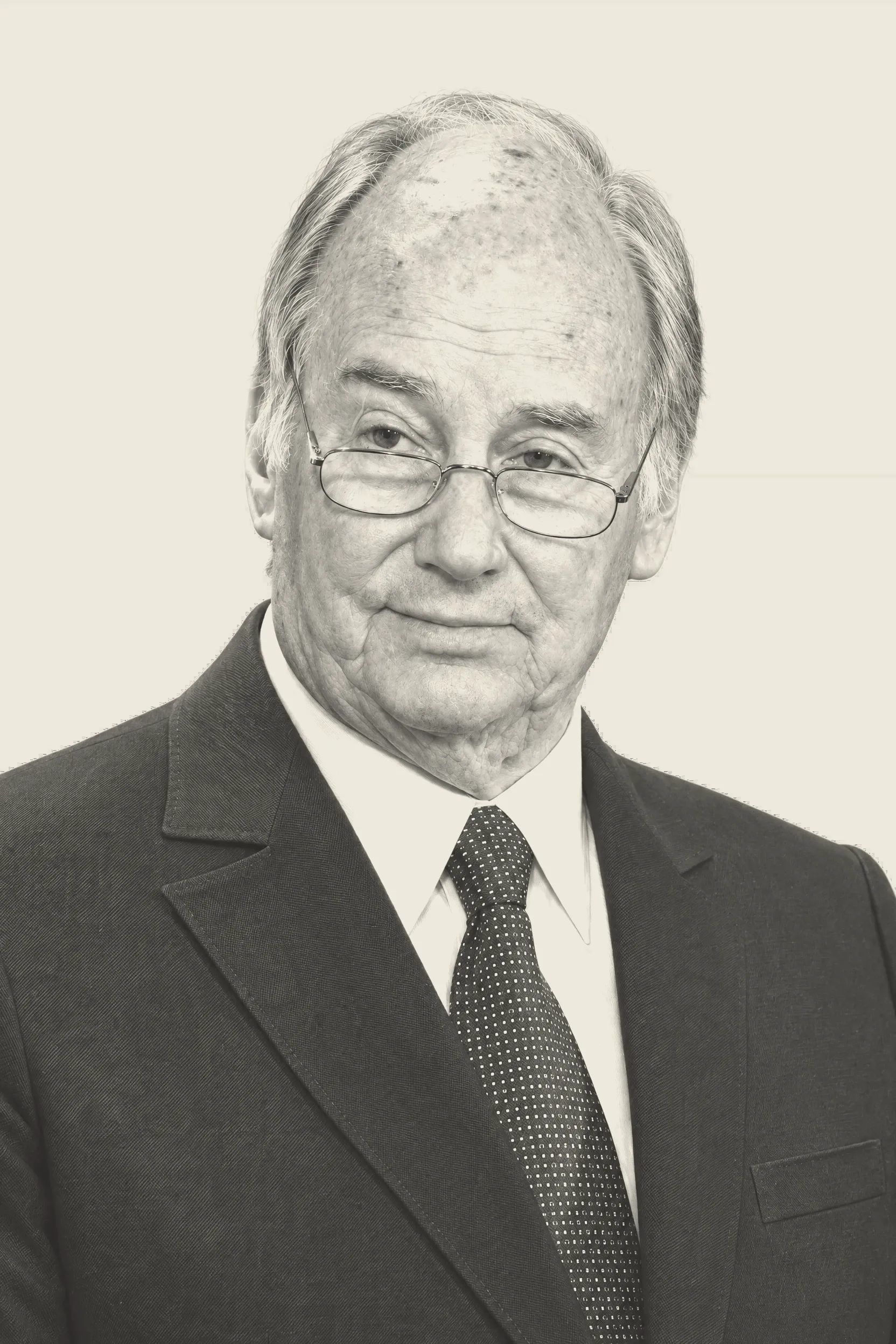
  1. Aga Khan IV (Shah Karim al-Husayni) in later life, head and shoulders, wearing glasses, a dark suit and tie
    Aga Khan IV49th · 1957–2025
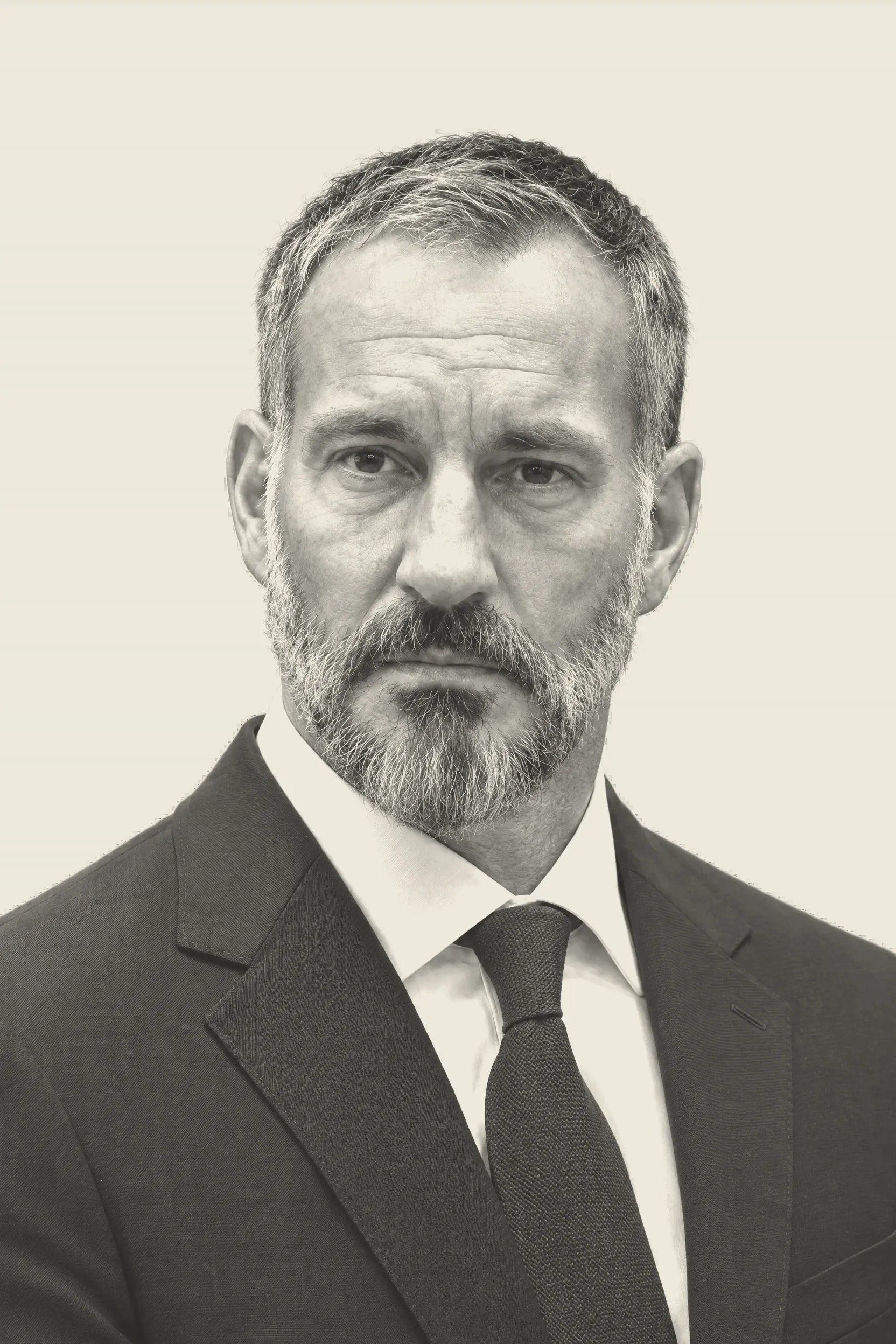
  2. Aga Khan V (Rahim al-Husayni), head and shoulders, with a short grey beard, wearing a dark suit and tie
    Aga Khan V50th · 2025–present