
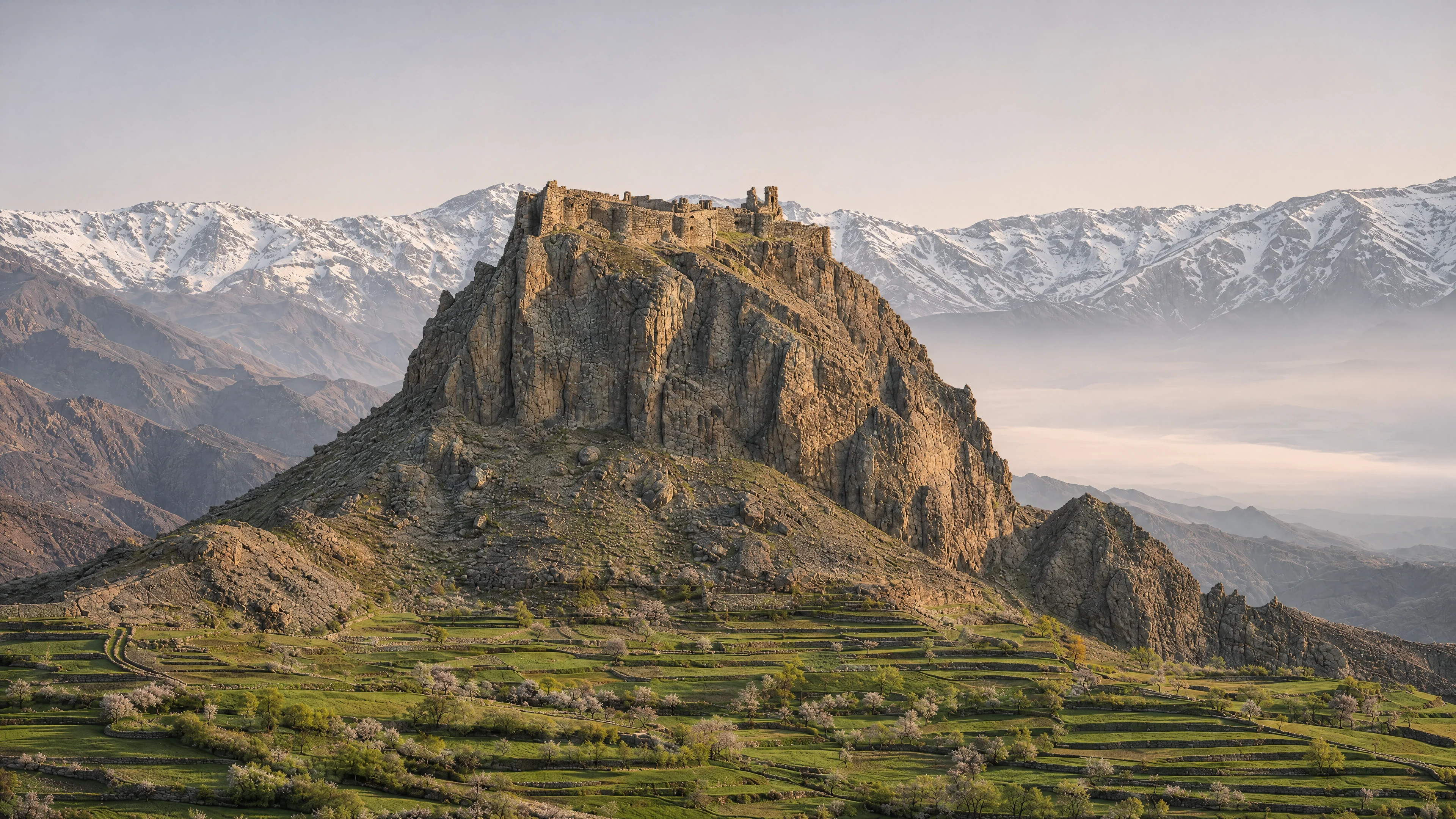
TheIsmailis
Fourteen centuries of faith, scholarship and migration, told from the sources.
Begin the journeyIn pictures
(click any image)Shia Muslims who follow a living, hereditary Imam descended from the Prophet Muhammad through Ali and Fatima. Their history runs from Medina to Cairo, from the castles of Alamut to Bombay, Zanzibar, Vancouver and Lisbon.
- Imams
- 50
- Years
- 1,390+
- Places
- 54
- Topics
- 46
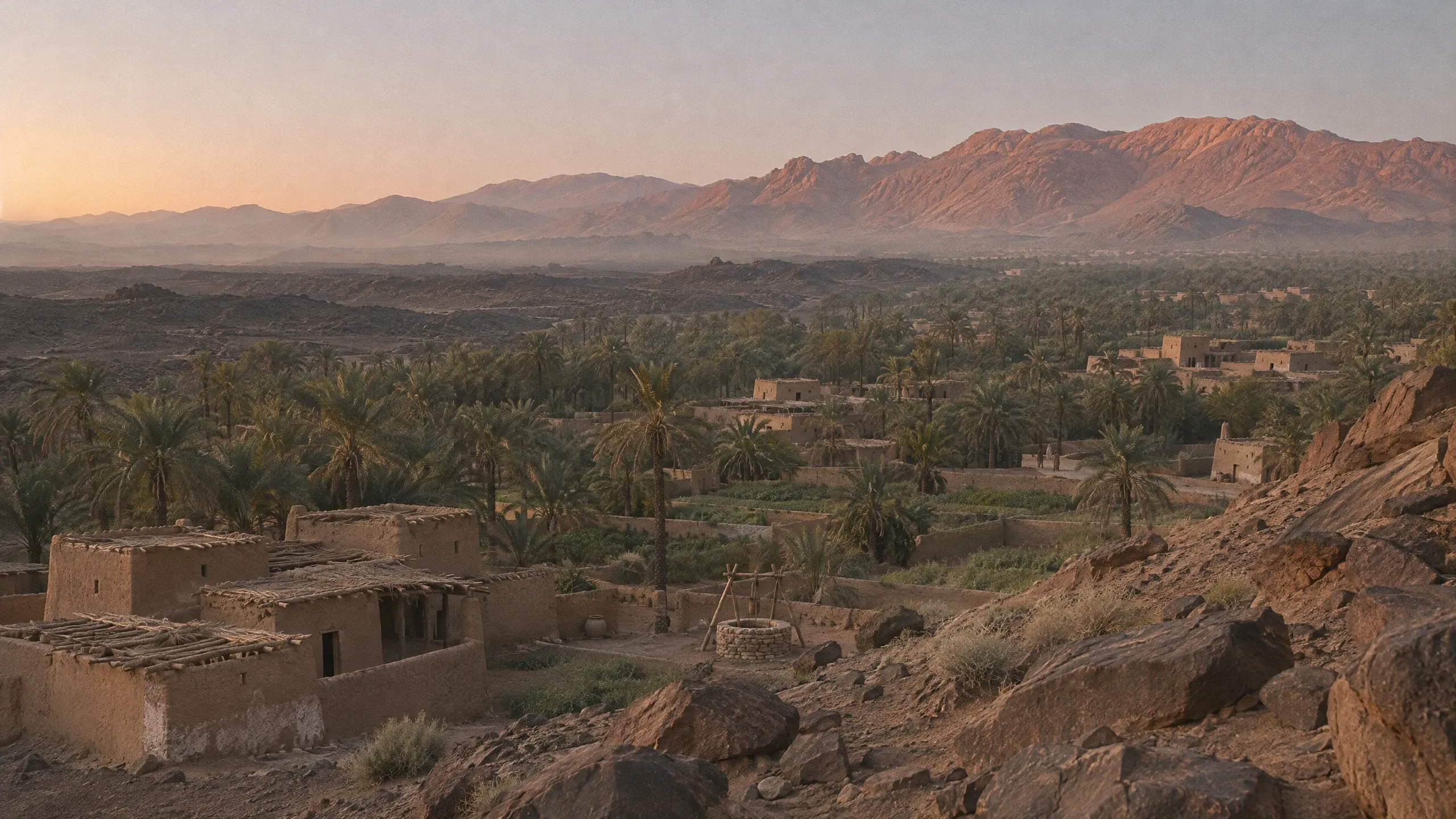
Origins
From the death of the Prophet to the death of Ja'far al-Sadiq: the succession dispute, Ali and Karbala, the Husaynid Imams, the radical Shi'a, and the split over Isma'il. 632–765.
Read chapter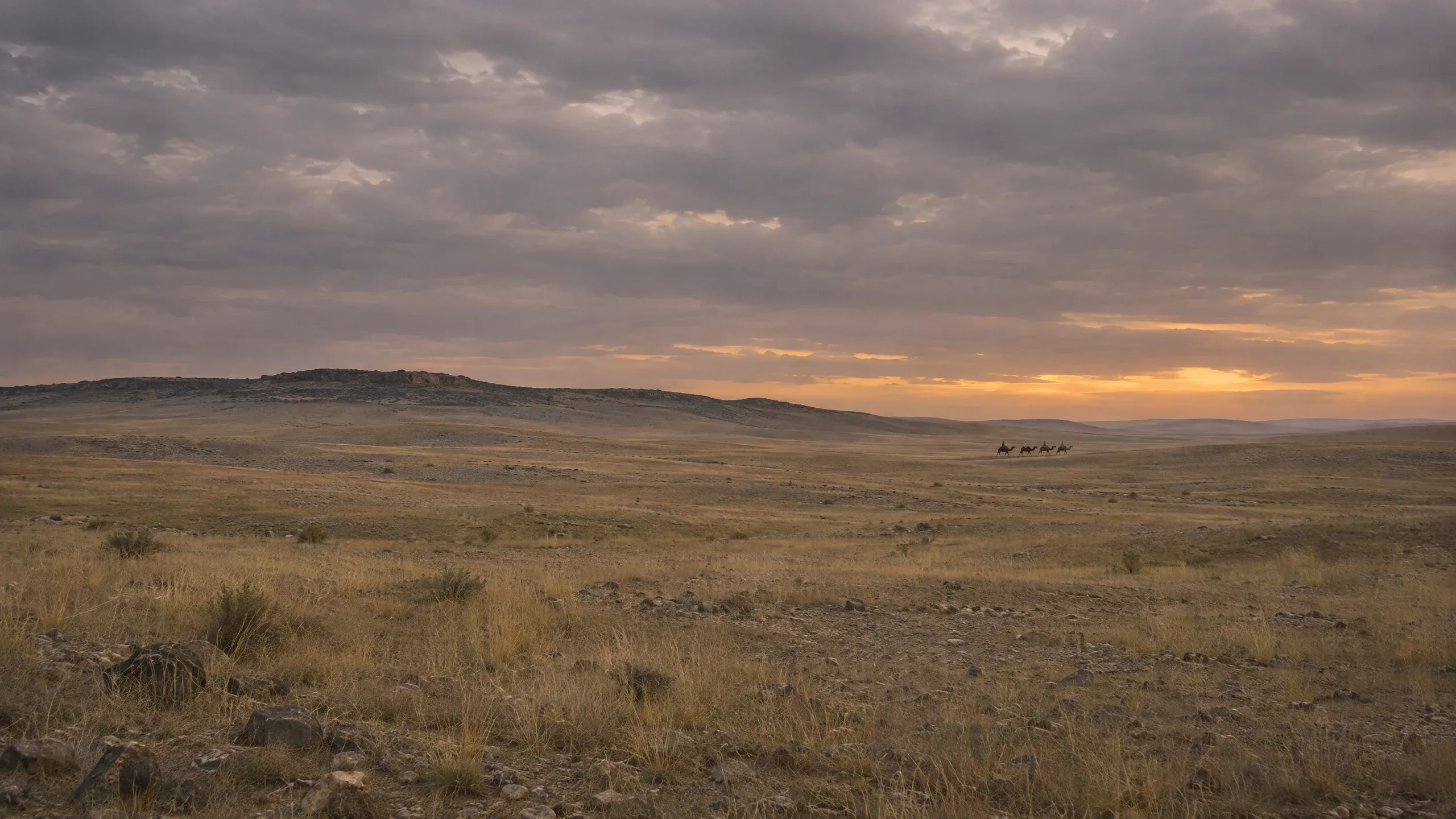
The Concealment
Dawr al-satr: Muhammad b. Isma'il and the hidden Imams, Salamiyya, the rise of the da'wa from Iraq to the Maghrib, the schism of 899 and the road to the Fatimid caliphate. 765–909.
Read chapter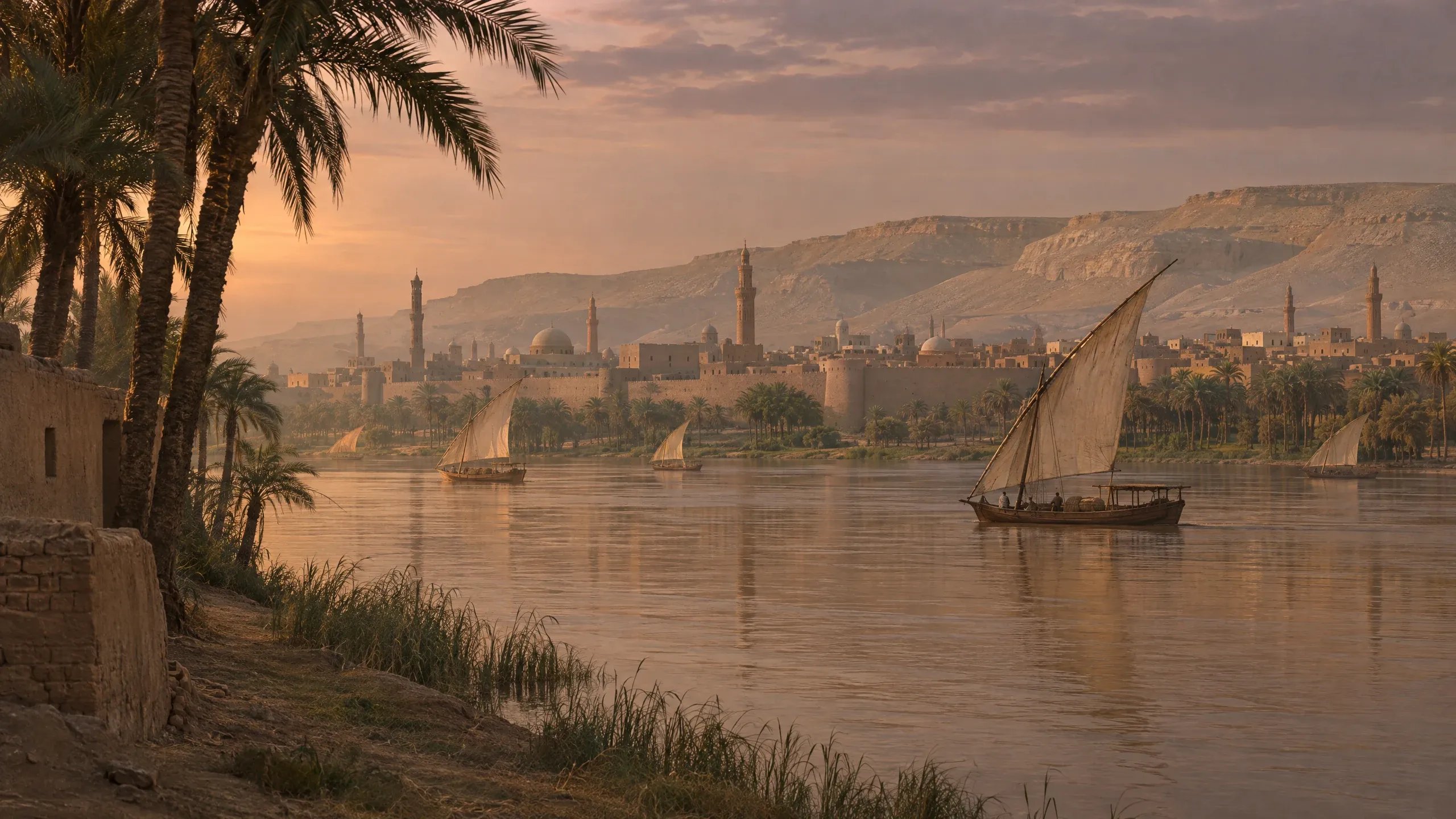
The Fatimid Caliphate
How an Ismaili Imam became caliph in Ifriqiya, conquered Egypt, founded Cairo and al-Azhar, and led a da'wa from the Maghrib to Sind. 909–1094.
Read chapter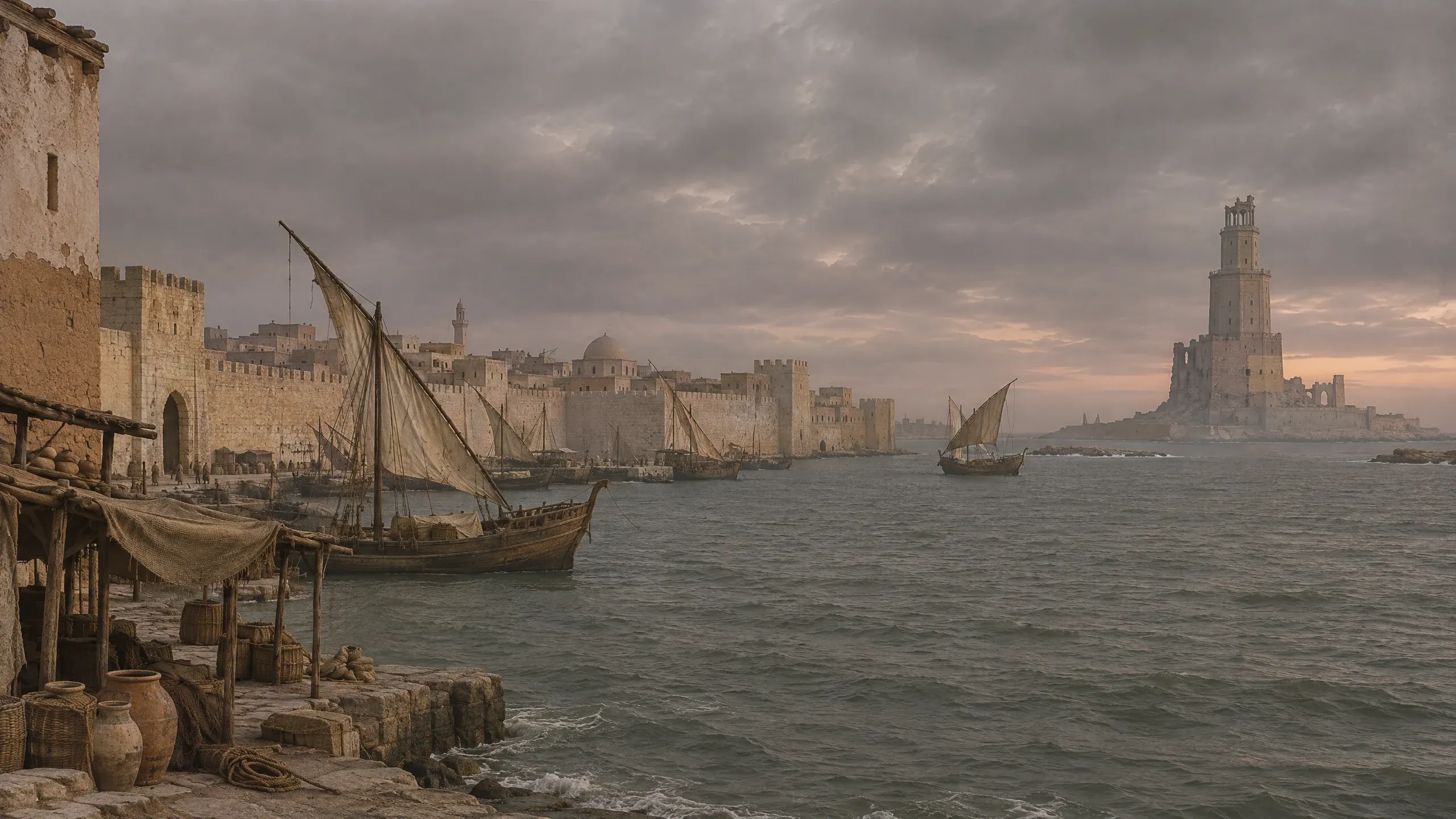
The Split of 1094
How the succession to al-Mustansir divided the Ismailis into Nizaris and Musta'lians, and how the Musta'lian line passed through Queen Arwa's Yemen to the Tayyibi Bohras of India. 1094–1132.
Read chapter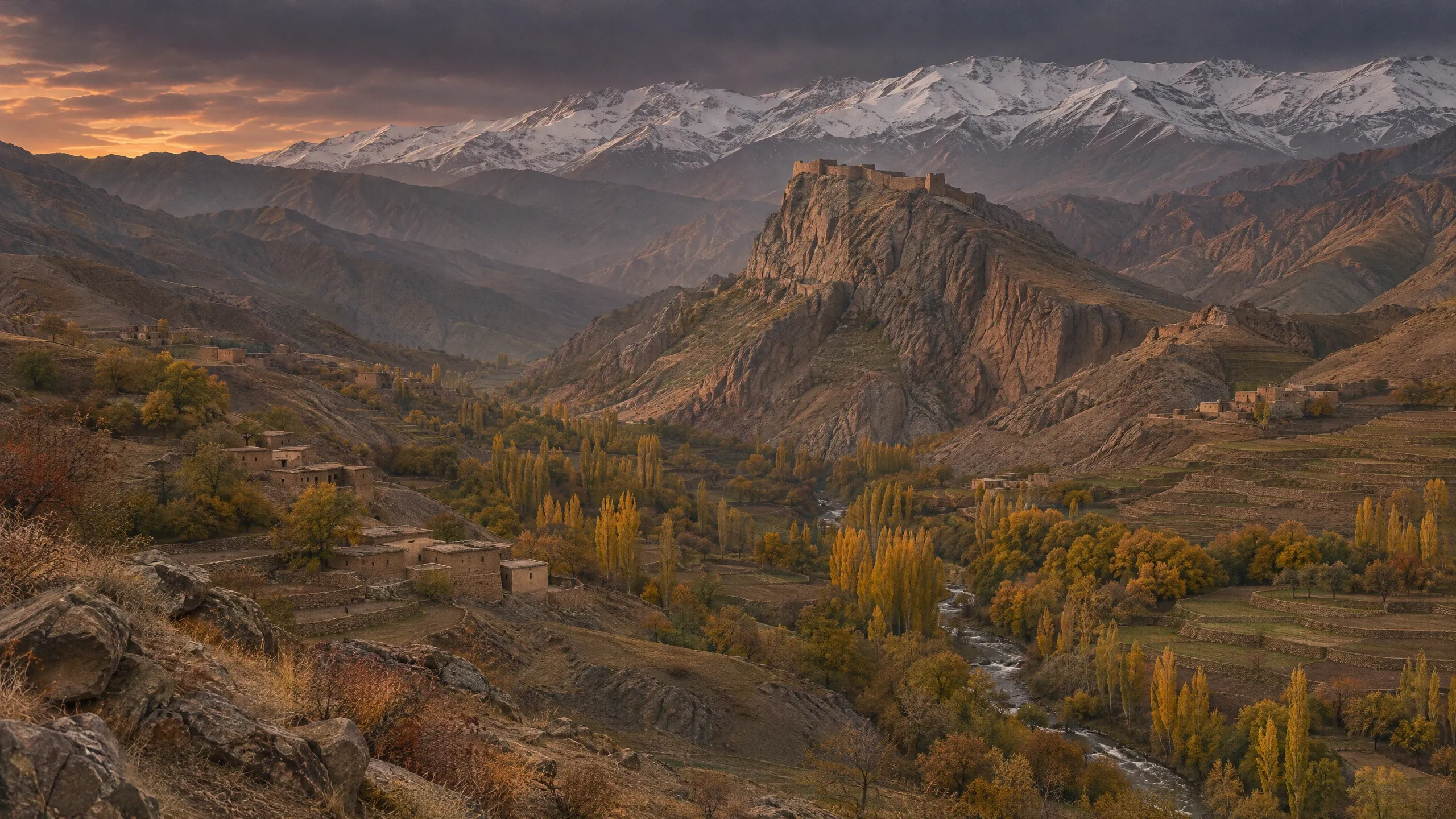
Alamut
The Nizari Ismaili state of castles in Rudbar, Quhistan and Syria, from Hasan-i Sabbah's seizure of Alamut in 1090 to the Mongol conquest of 1256, and the myths that grew around it. 1090–1256.
Read chapter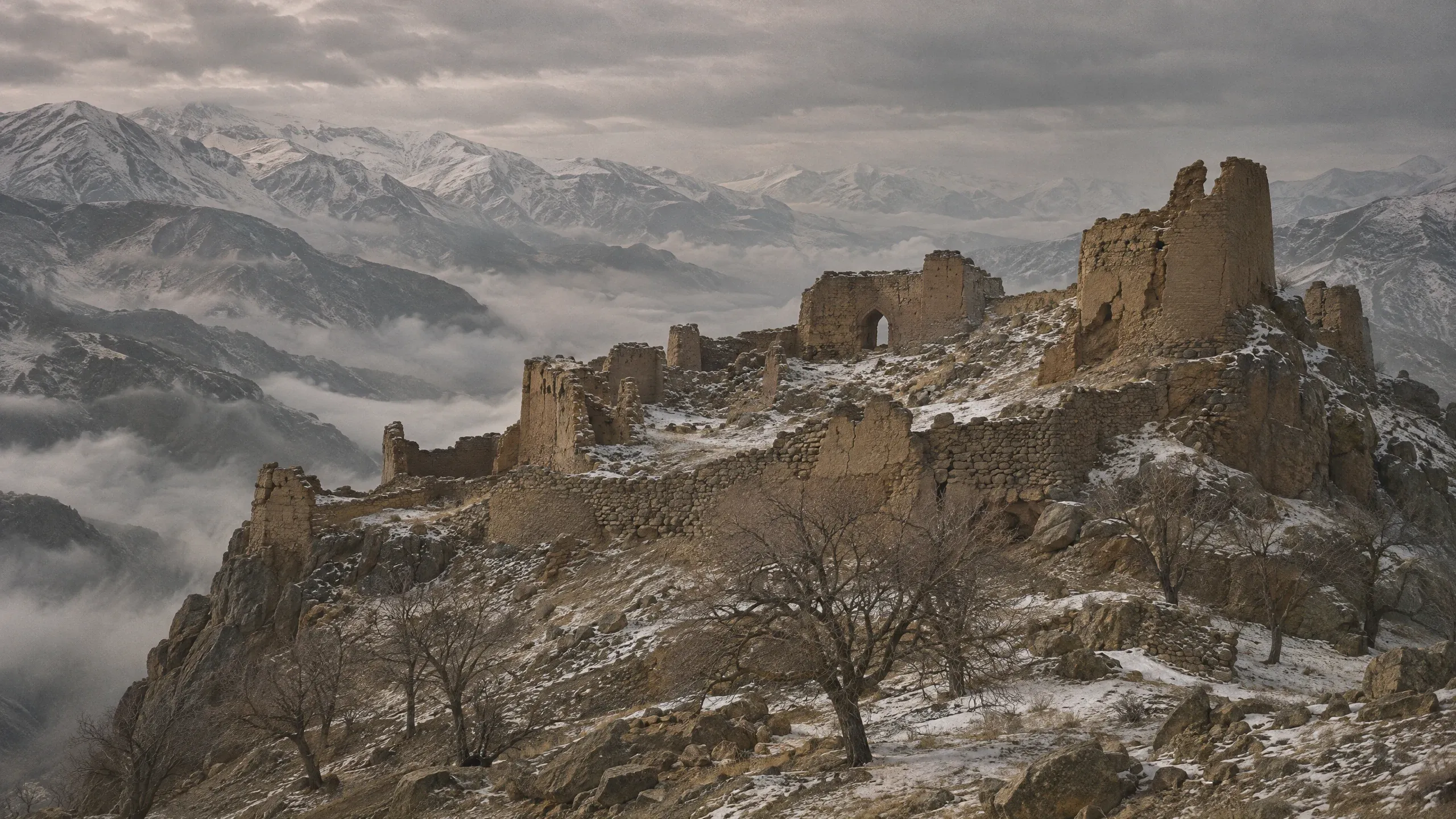
After Alamut
How the Nizari Ismailis survived the Mongol conquest: concealed Imams, taqiyya, Sufi forms, the Muhammad-Shahi/Qasim-Shahi split and the Anjudan revival. 1256–1722.
Read chapter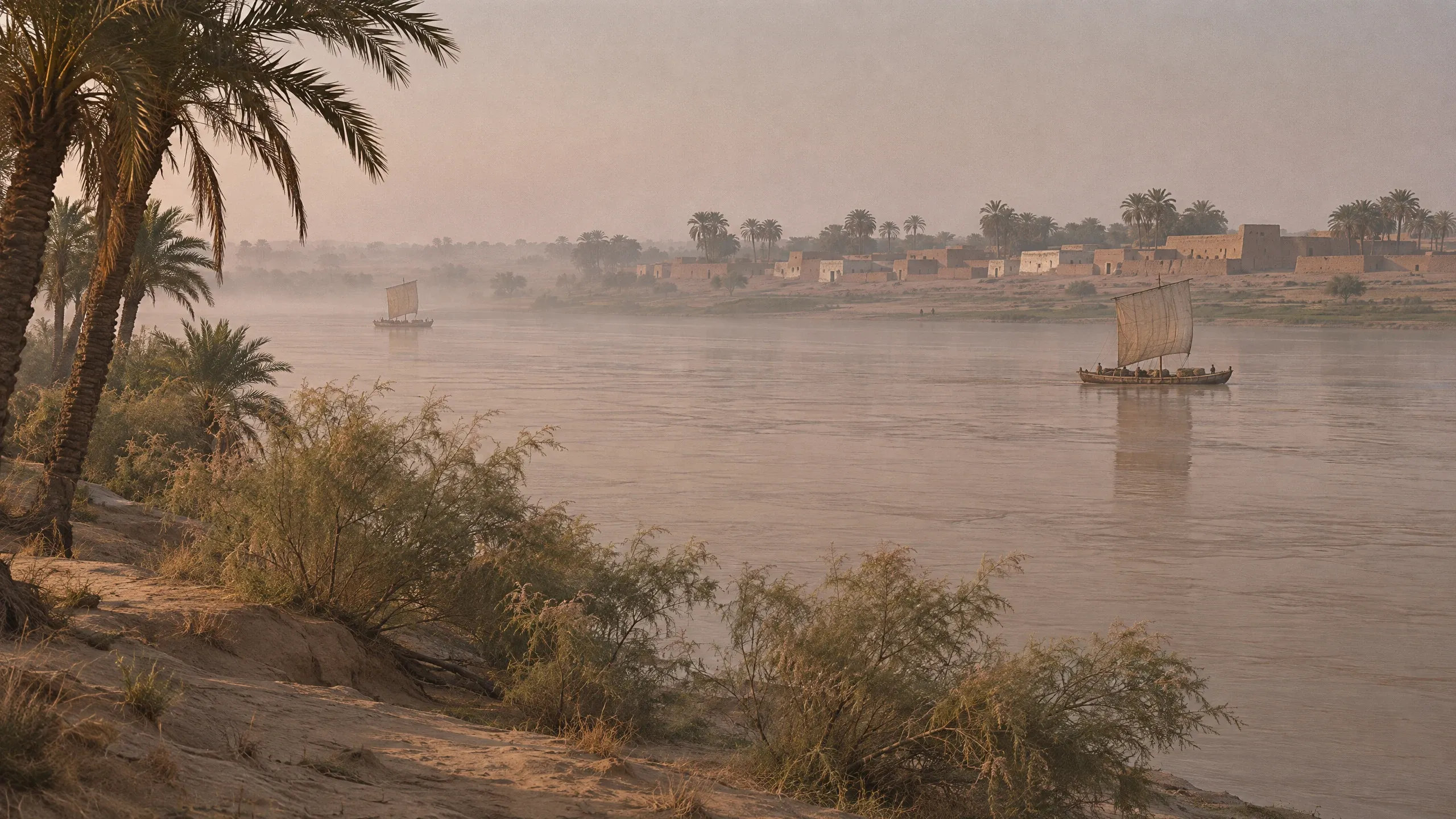
The Pirs and South Asia
How Nizari pirs from Persia built the Satpanth in Sindh, Punjab and Gujarat, how the ginans and the jamatkhana took shape, and how the Khojas, Momnas and Imamshahis emerged. c. 1100–1866.
Read chapter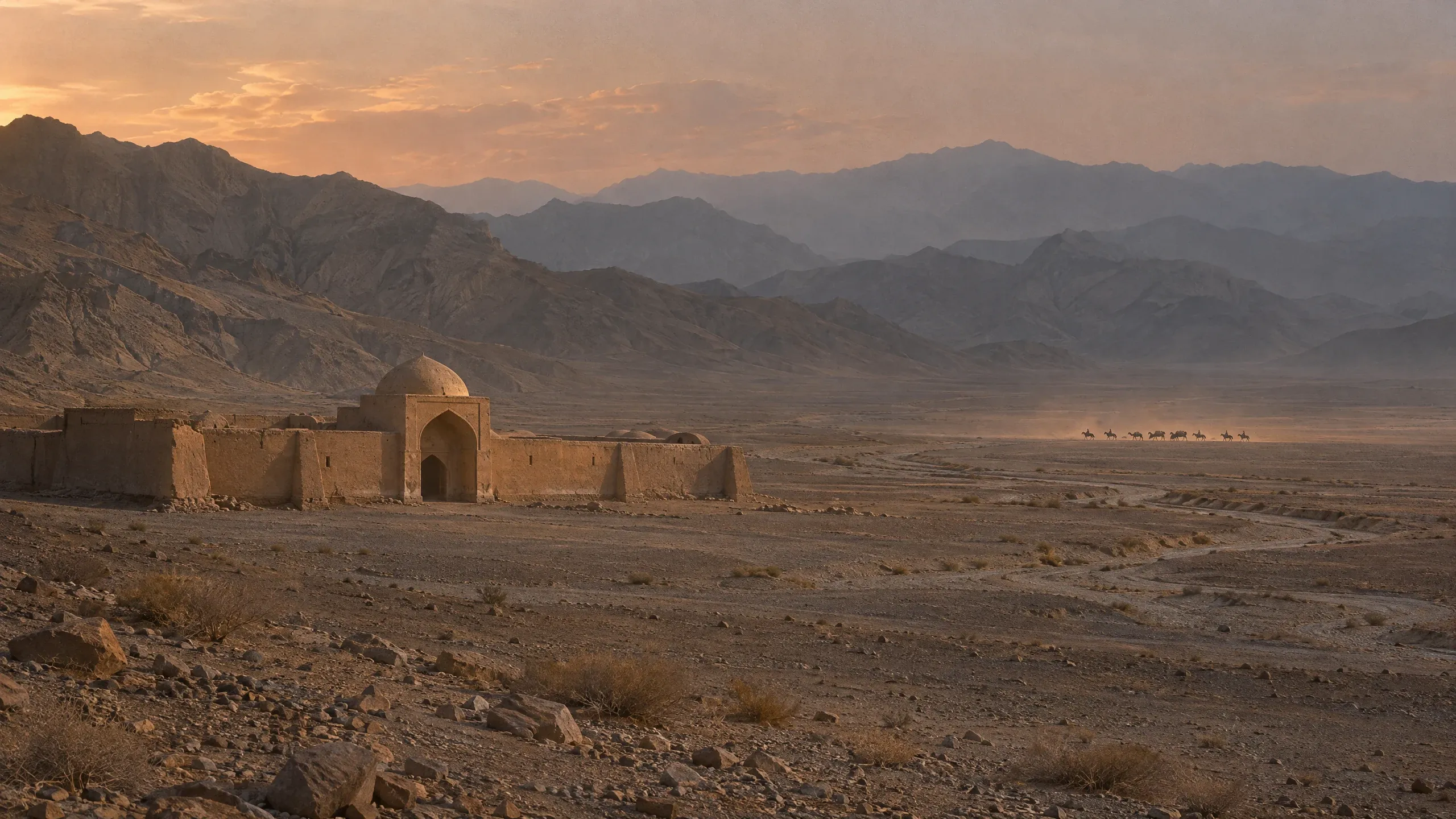
From Persia to Bombay
Kahak, Shahr-i Babak and Kerman; the title Aga Khan; Aga Khan I's revolt against the Qajars, his move to Sindh and Bombay, the 1866 case and Aga Khan II. 1722–1885.
Read chapter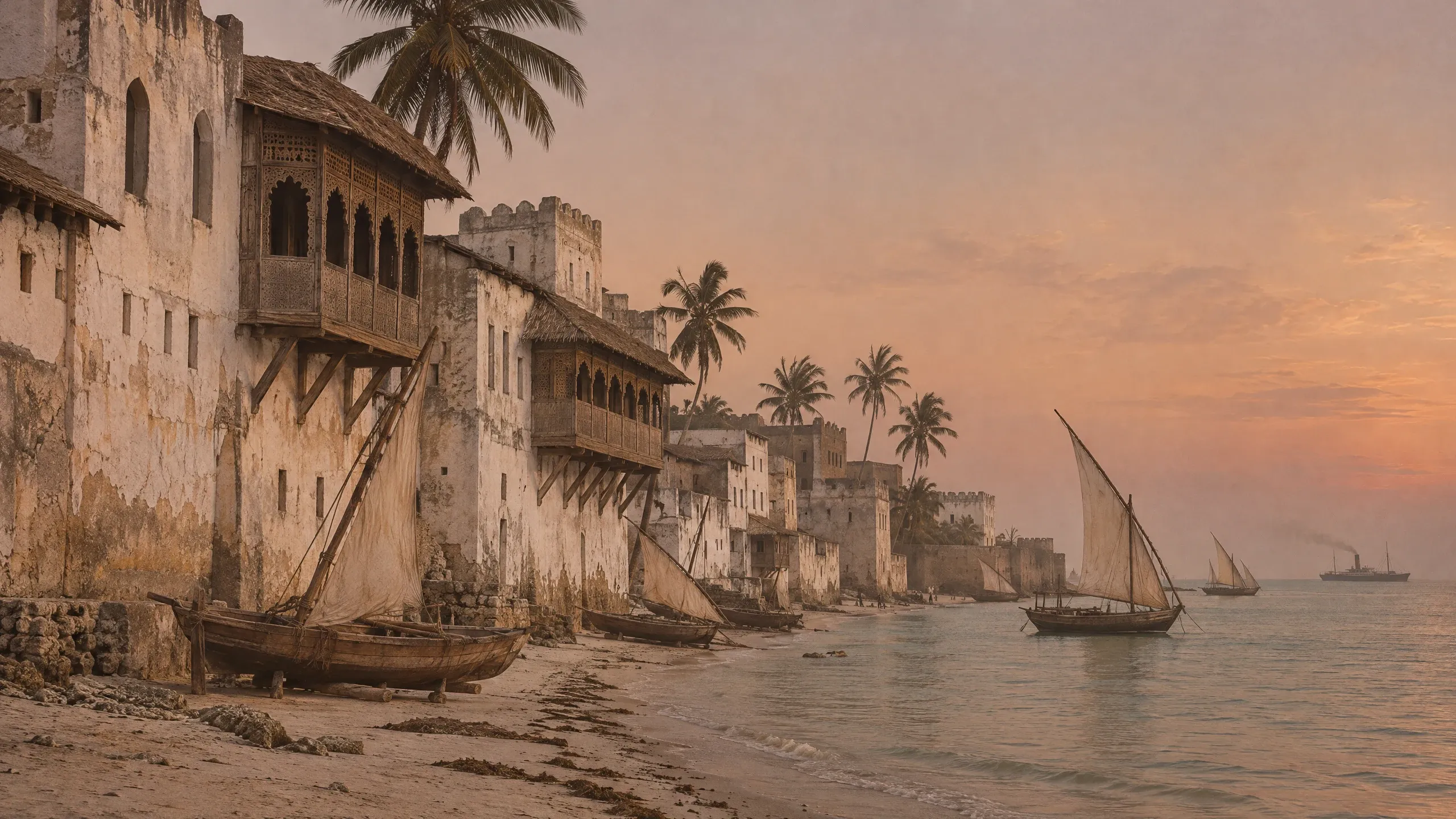
The Twentieth Century
The Imamat of Aga Khan III: constitutions and councils, schools, the jubilees, Muslim politics in India, Geneva, and Ismaili communities from Zanzibar to Hunza. 1885–1957.
Read chapter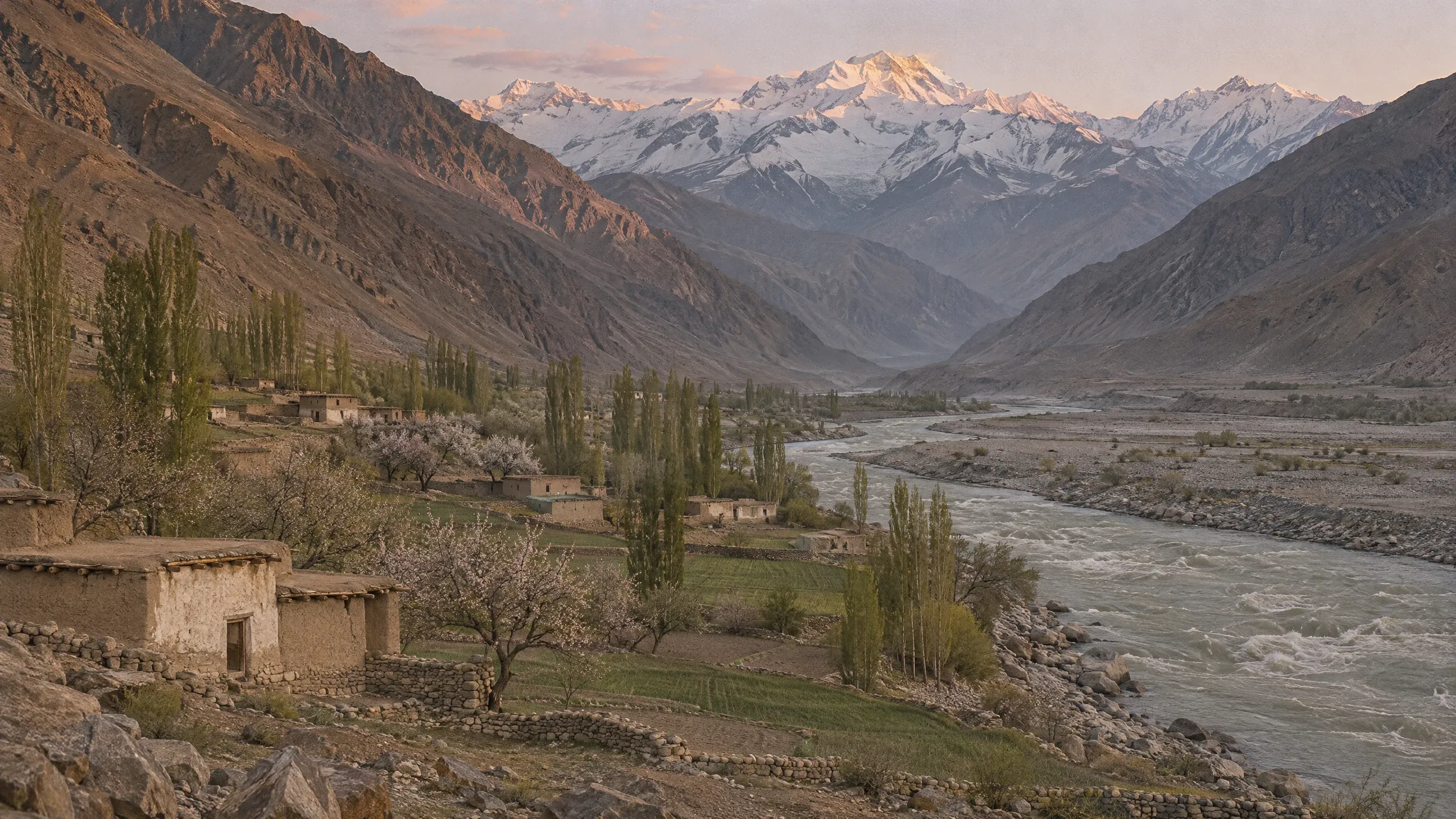
The Present
From 1957 to today: the Imamat of Aga Khan IV, the migrations to the West, AKDN and its institutions, the Seat in Lisbon, and the accession of Aga Khan V in 2025. 1957–present.
Read chapterFifty Imams
All Imams- 01Ali ibn Abi Talib632–661
- 02al-Husayn ibn Ali661–680
- 03Ali Zayn al-'Abidin680–714
- 04Muhammad al-Baqir714–732
- 05Ja'far al-Sadiq732–765
- 06Isma'il ibn Ja'far765–765
- 07Muhammad ibn Isma'il765–c. 795
- 08'Abd Allah al-Wafic. 795–c. 827
- 09Ahmad al-Taqic. 827–c. 840
- 10al-Husayn al-Radic. 840–c. 881
- 11al-Mahdi bi'llahc. 899–934
- 12al-Qa'im bi-Amr Allah934–946
- 13al-Mansur bi'llah946–953
- 14al-Mu'izz li-Din Allah953–975
- 15al-Aziz bi'llah975–996
- 16al-Hakim bi-Amr Allah996–1021
- 17al-Zahir li-I'zaz Din Allah1021–1036
- 18al-Mustansir bi'llah1036–1094
- 19Nizar1094–1095
- 20Ali al-Hadic. 1095–c. 1162
- 21Muhammad al-Muhtadic. 1095–c. 1162
- 22Hasan al-Qahirc. 1095–c. 1162
- 23Hasan II1162–1166
- 24Nur al-Din Muhammad II1166–1210
- 25Jalal al-Din Hasan III1210–1221
- 26Ala al-Din Muhammad III1221–1255
- 27Rukn al-Din Khurshah1255–c. 1257
- 28Shams al-Din Muhammad1257–c. 1310
- 29Qasim Shahc. 1310–c. 1370
- 30Islam Shahc. 1370–c. 1425
- 31Muhammad ibn Islam Shahc. 1425–c. 1463
- 32Mustansir bi'llah IIc. 1463–1480
- 33Abd al-Salam Shah1480–c. 1494
- 34Gharib Mirzac. 1494–1498
- 35Abu Dharr Alic. 1498–c. 1560
- 36Murad Mirzac. 1560–1574
- 37Dhu'l-Fiqar Ali1574–1634
- 38Nur al-Dahr Ali1634–1671
- 39Khalil Allah II1671–1680
- 40Shah Nizar II1680–1722
- 41Sayyid Ali1722–1754
- 42Hasan Ali1754–c. 1755
- 43Qasim Alic. 1755–c. 1756
- 44Abu'l-Hasan Alic. 1756–1792
- 45Shah Khalil Allah1792–1817
- 46Hasan Ali Shah1817–1881
- 47Aqa Ali Shah1881–1885
- 48Aga Khan III1885–1957
- 49Aga Khan IV1957–2025
- 50Aga Khan V2025–present