Places
The cities, fortresses, villages and buildings where Ismaili history happened, from Medina and Cairo to Alamut, Anjudan, Bombay, Zanzibar and Lisbon.
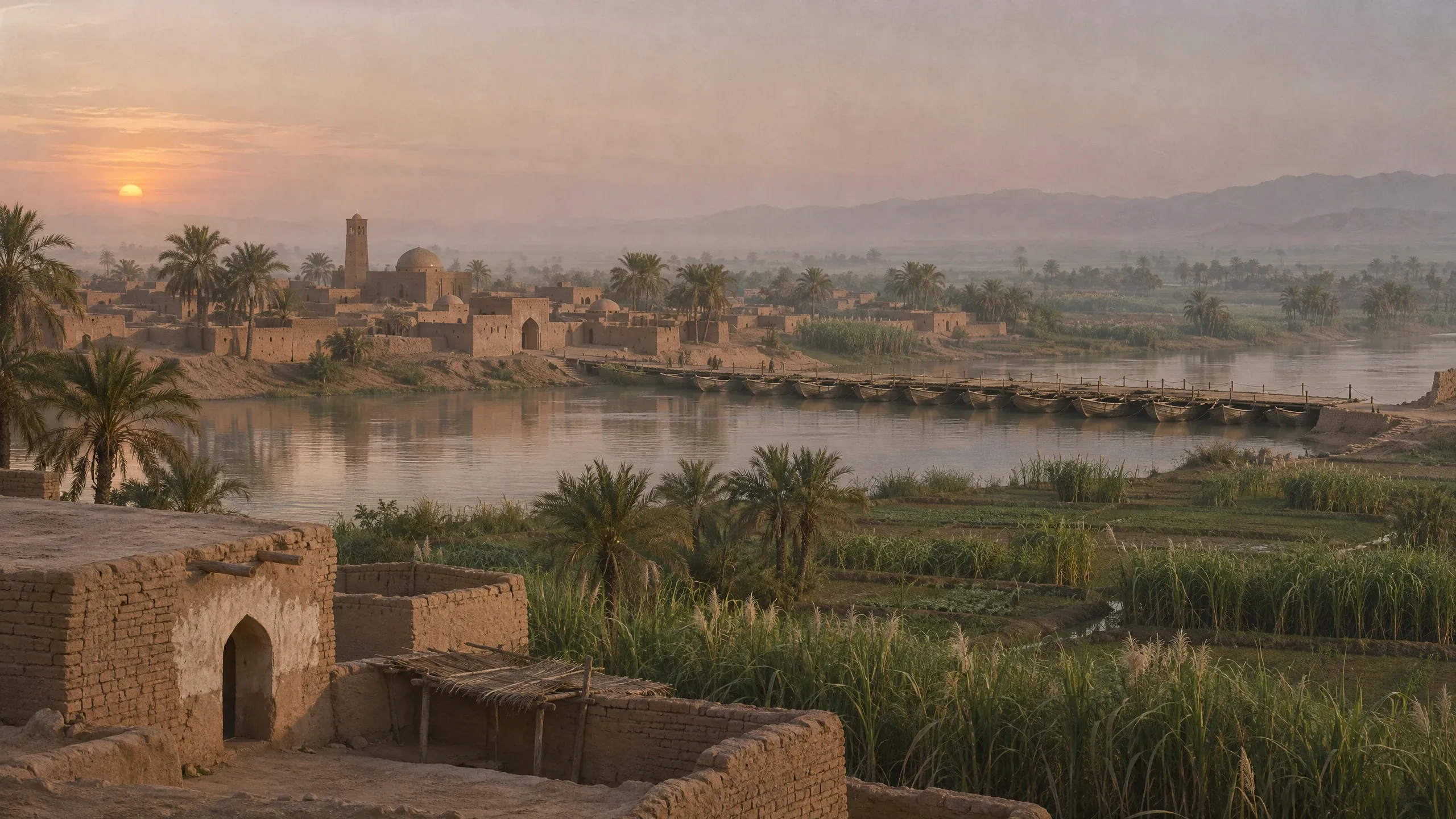
'Askar MukramIran · c. 700–14th centuryMedieval market town of Khuzistan near Ahwaz, where the hidden Ismaili Imam 'Abd Allah b. Muhammad b. Isma'il lived in concealment before moving to Salamiyya.
- AiglemontFrance · 1976–presentAiglemont, the estate at Gouvieux near Chantilly, north of Paris, where Aga Khan IV established his secretariat in 1976 and where the Diamond Jubilee opened in 2017.
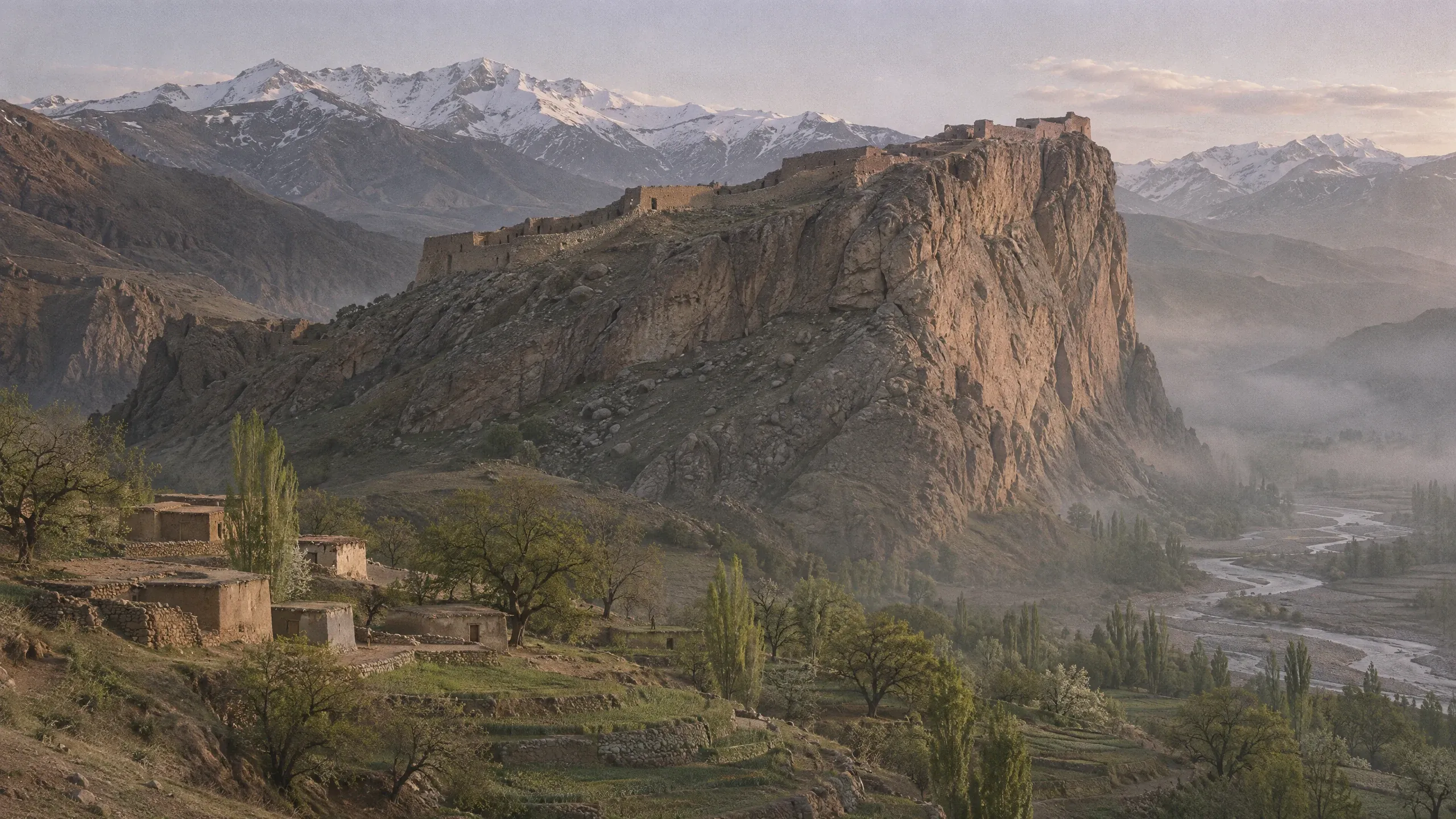
AlamutIran · 1090–1256Mountain fortress in the Alborz north-east of Qazwin, seized by Hasan-i Sabbah in 1090 and seat of the Nizari Ismaili state until its surrender to the Mongols in December 1256.
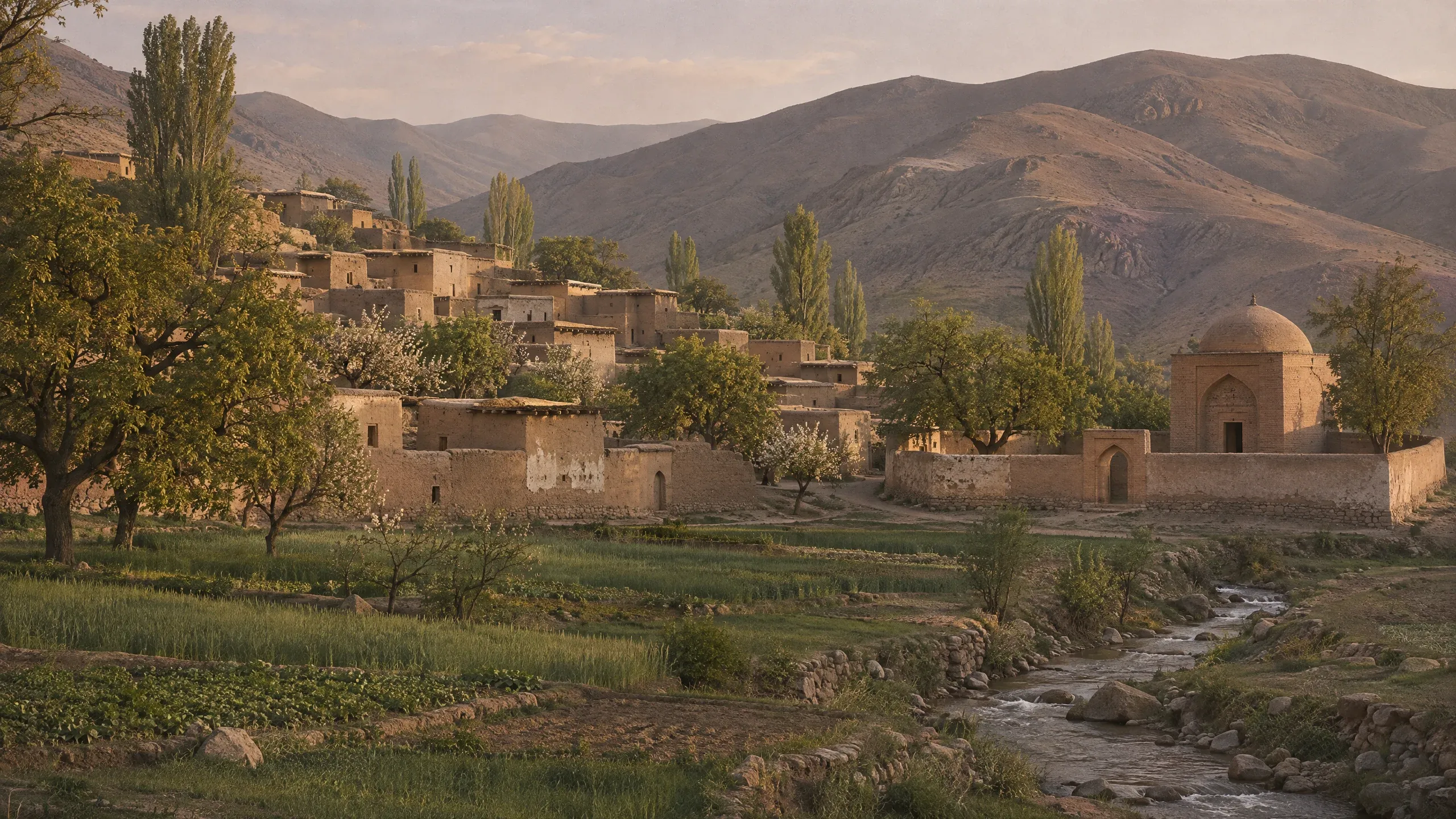
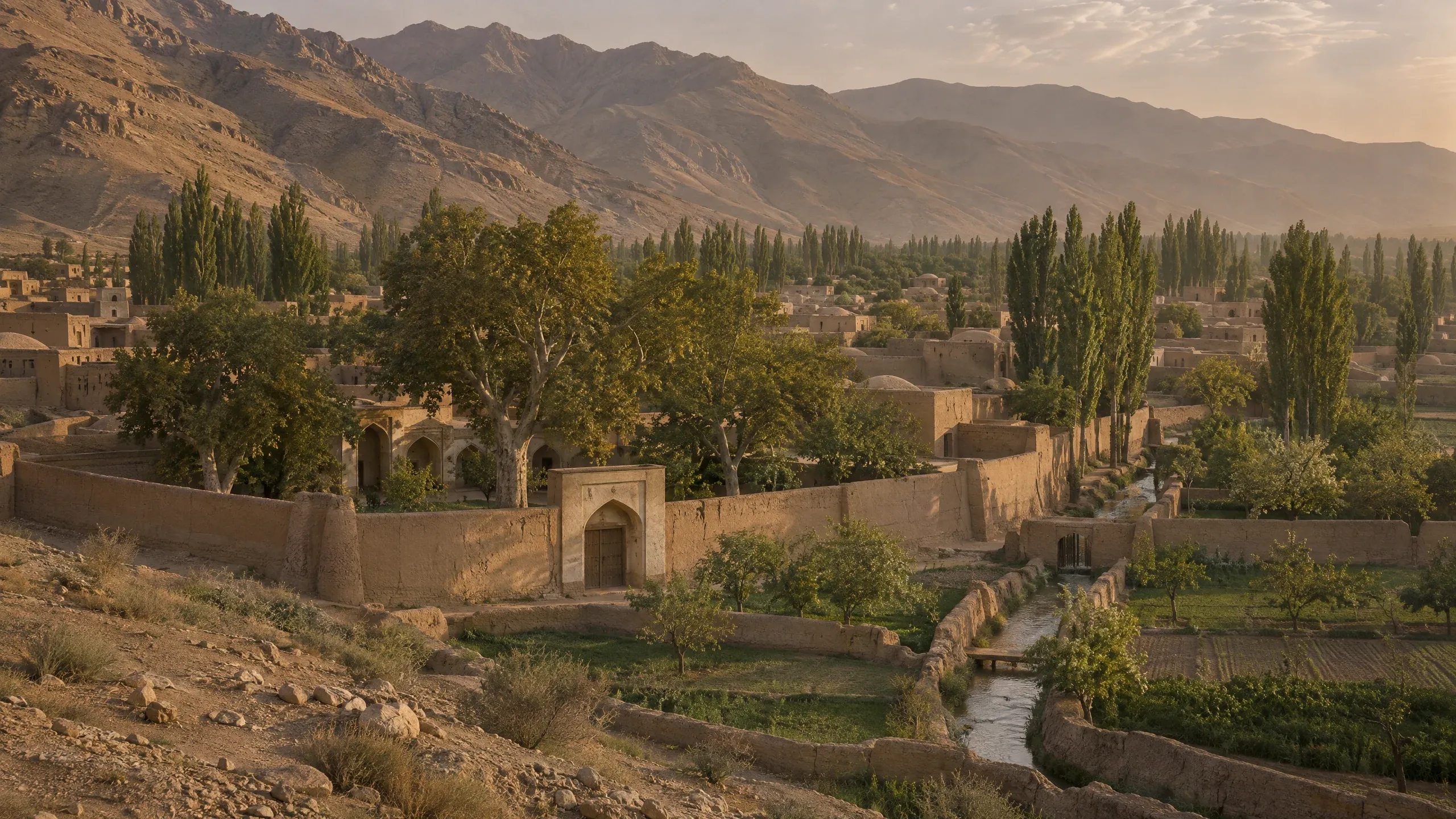
AnjudanIran · c. 1463–1680Village in central Iran, east of Arak, seat of the Nizari Ismaili Imams for about two centuries and centre of the Anjudan revival. Its mausoleums hold Imams' tombs.
- AtlantaUnited States · 1970s–presentAtlanta and the Ismailis: the jamatkhanas of metro Atlanta, the Ismaili Council for the Southeastern USA, and the visits of Aga Khan IV in 2008 and March 2018.
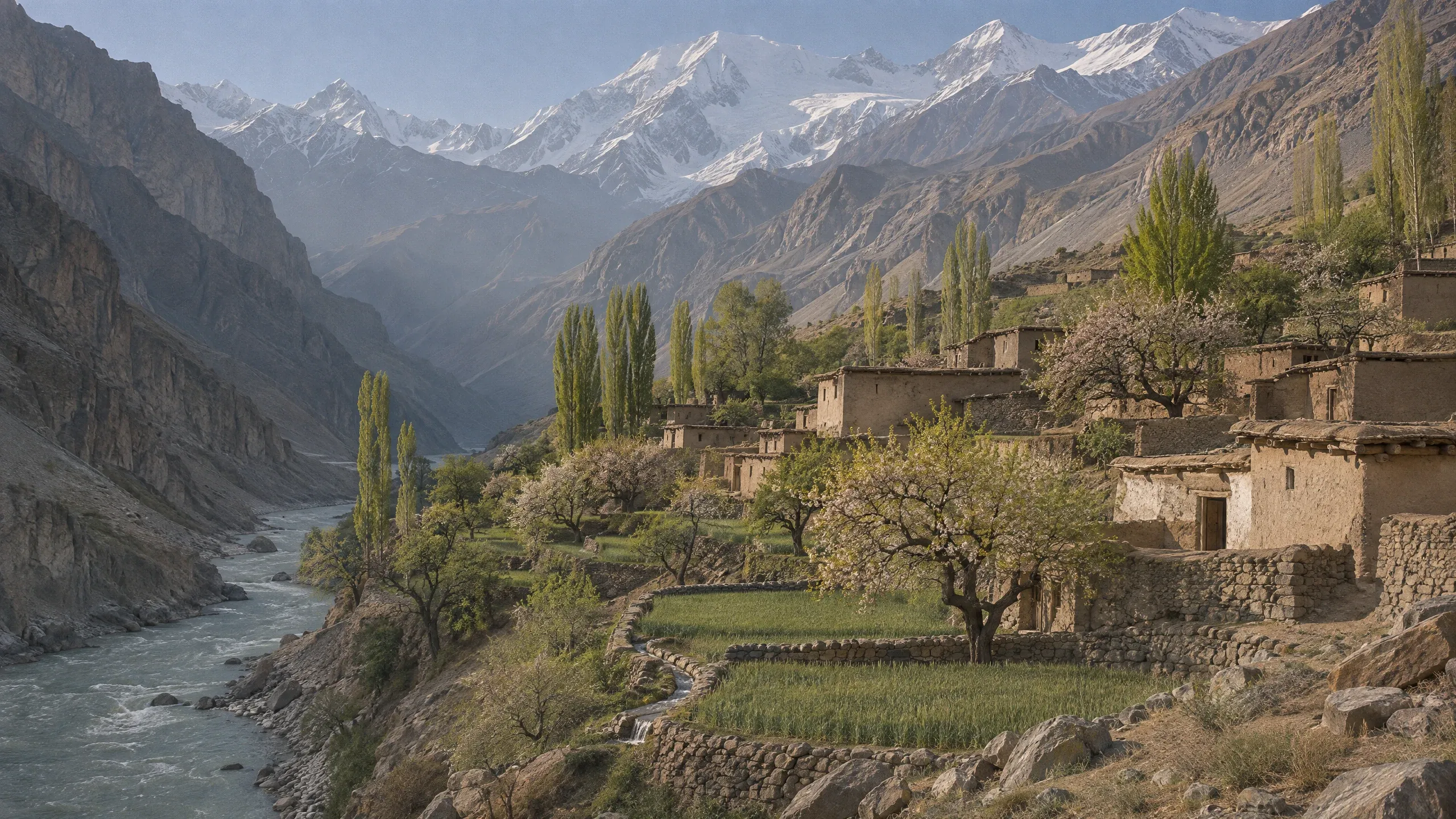
BadakhshanAfghanistan and Tajikistan · 12th century–todayMountain region on the upper Oxus, divided since 1895 between Afghanistan and Tajikistan, home of the largest Ismaili population of Central Asia and keeper of Persian Ismaili literature.
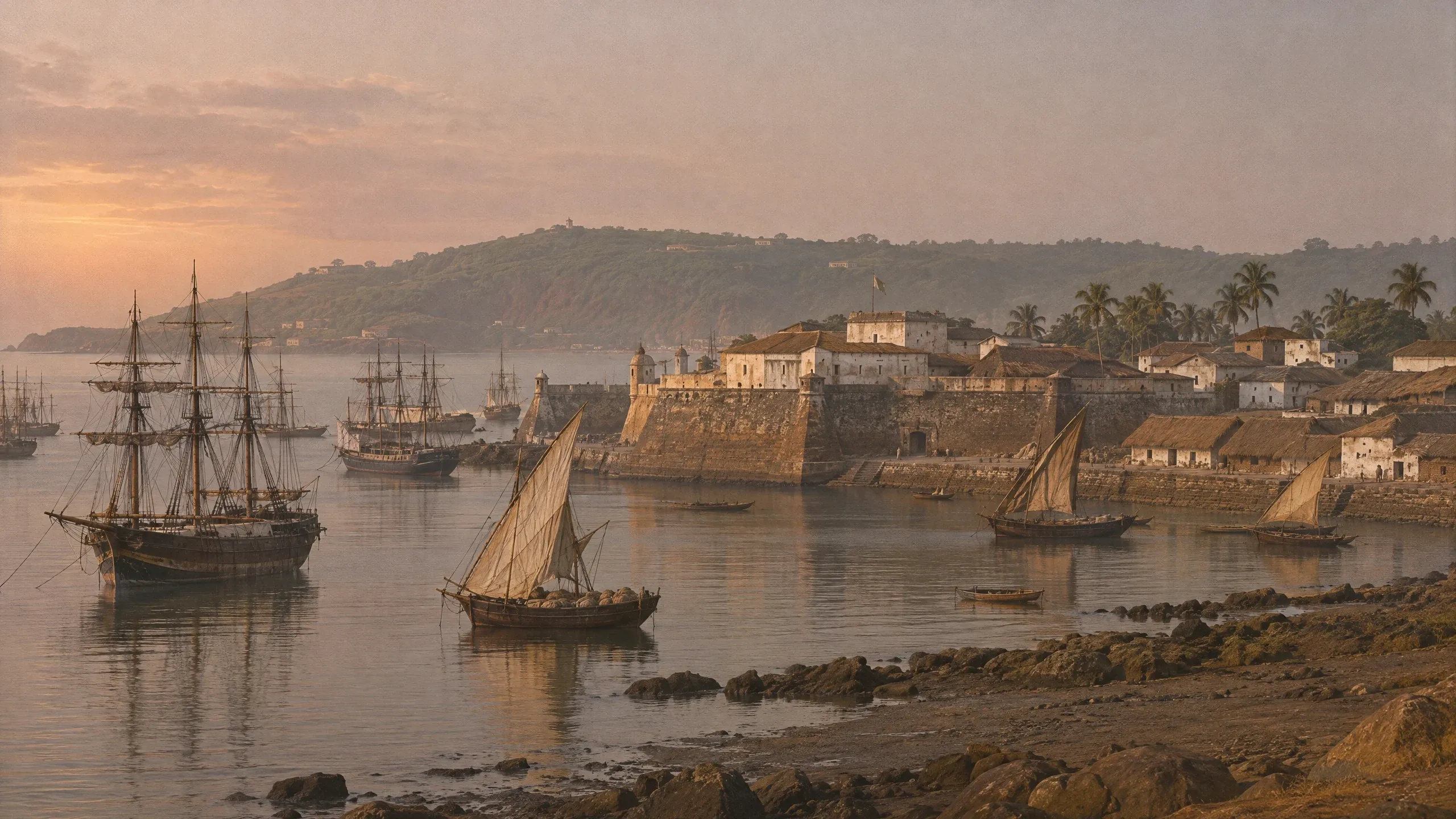
BombayIndia · 1846–1950sPort city in western India, seat of the Nizari Ismaili Imamate from 1848, scene of the Aga Khan Case of 1866 and site of Aga Khan I's mausoleum at Hasanabad.
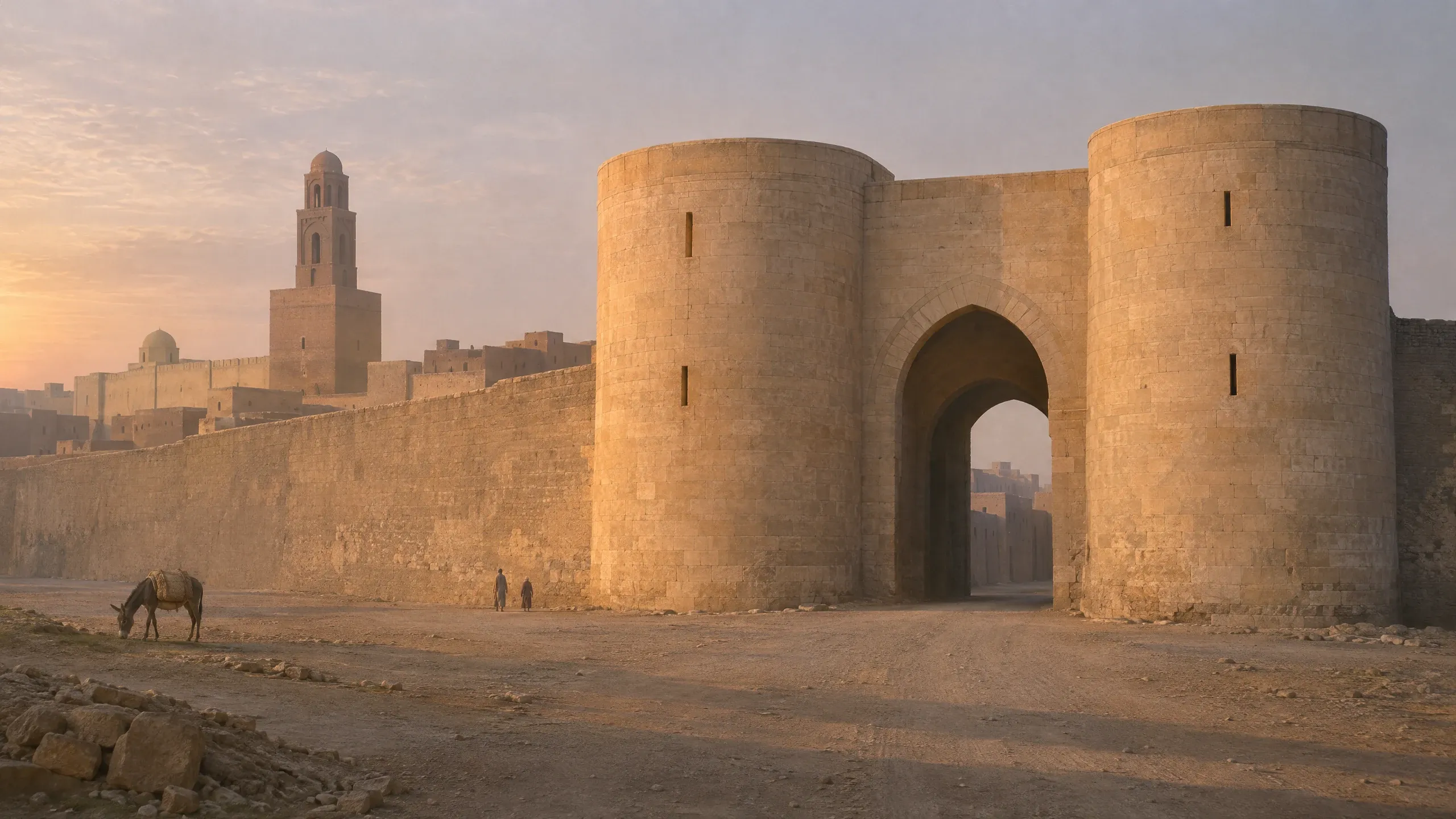
Cairo (al-Qahira al-Mu'izziyya)Egypt · Founded 969; Fatimid capital 973–1171The royal city founded by Jawhar for al-Mu'izz in 969, seat of the Fatimid Imam-caliphs from 973, built around two palaces and the mosque of al-Azhar beside the commercial city of Fustat.
Dar es SalaamTanzania · Ismaili jamat from the late 19th centuryPort and former capital of Tanganyika and Tanzania, centre of mainland East Africa's largest Ismaili community, site of the 1946 Diamond Jubilee weighing and the 1957 installation of Aga Khan IV.
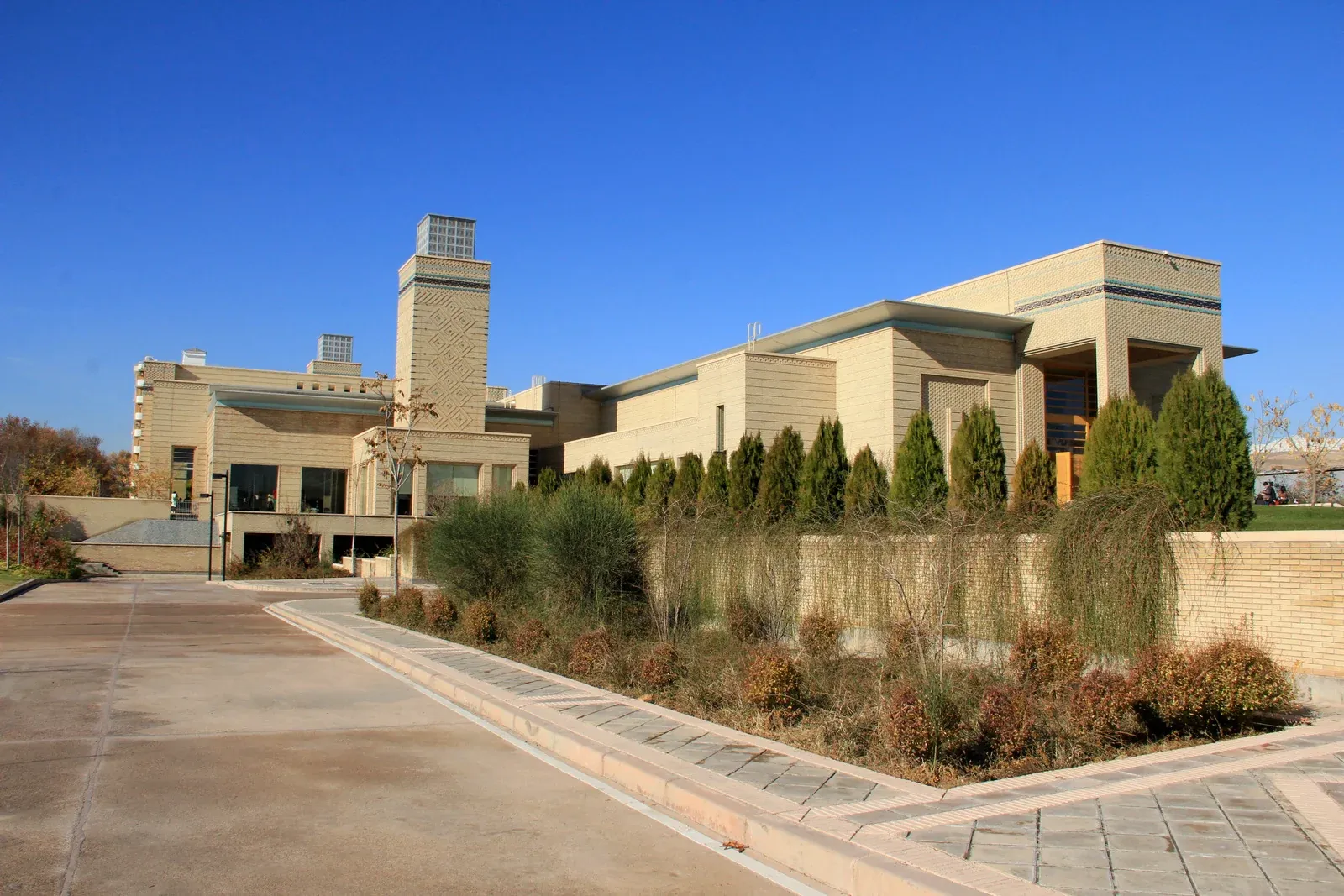
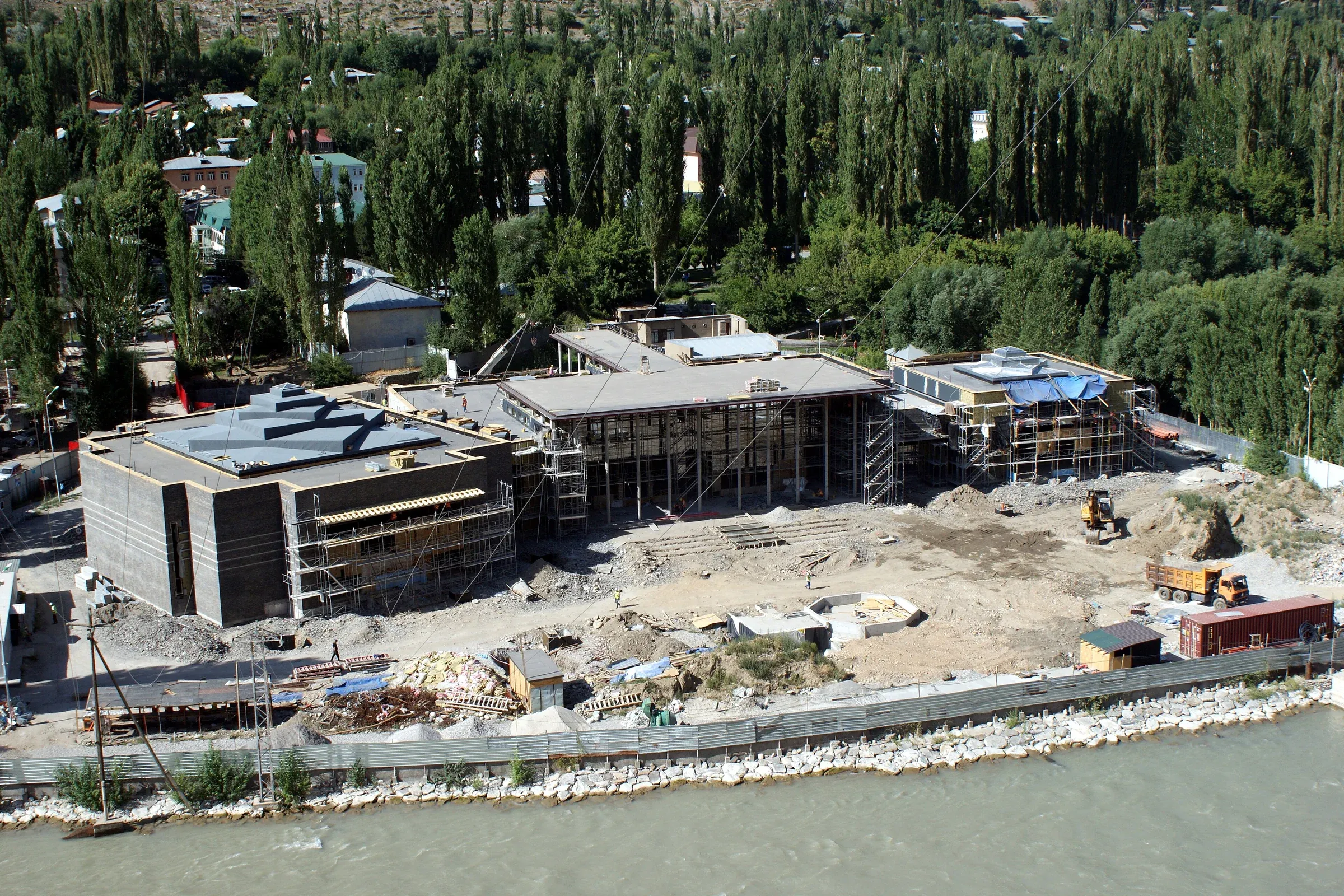
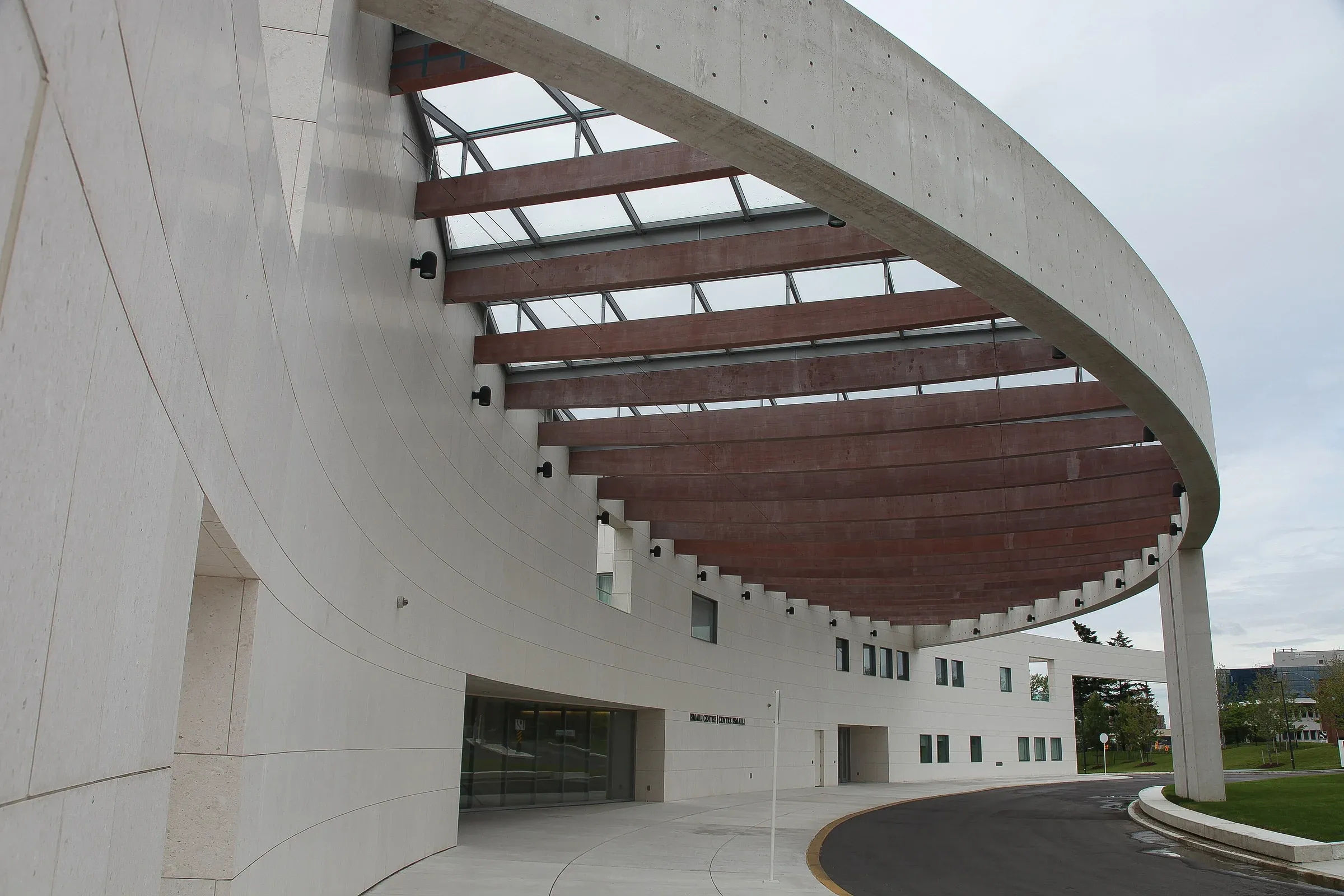
DushanbeTajikistan · 1990s–presentDushanbe, capital of Tajikistan: the Ismaili Centre (2009), the first in Central Asia, and the base of AKDN's work in Tajikistan after independence.
Girdkuh (Diz-i Gunbadan)Iran · 1096–1270Nizari fortress near Damghan in Qumis, held from 1096 and besieged by the Mongols for seventeen years until it surrendered in December 1270, the last Nizari stronghold in Persia.
GujaratIndia · 11th century–presentWestern Indian state where both main branches of South Asian Ismailism took root: the Musta'li Bohras from 1067 and the Nizari Satpanth of Satgur Nur, Imam Shah, the Khojas and the Momnas.
- HoustonUnited States · 1970s–presentHouston and the Ismailis: the Ismaili Center, Houston, on Allen Parkway, the first Ismaili Centre in the United States, announced in 2018 and opened by Aga Khan V in November 2025.
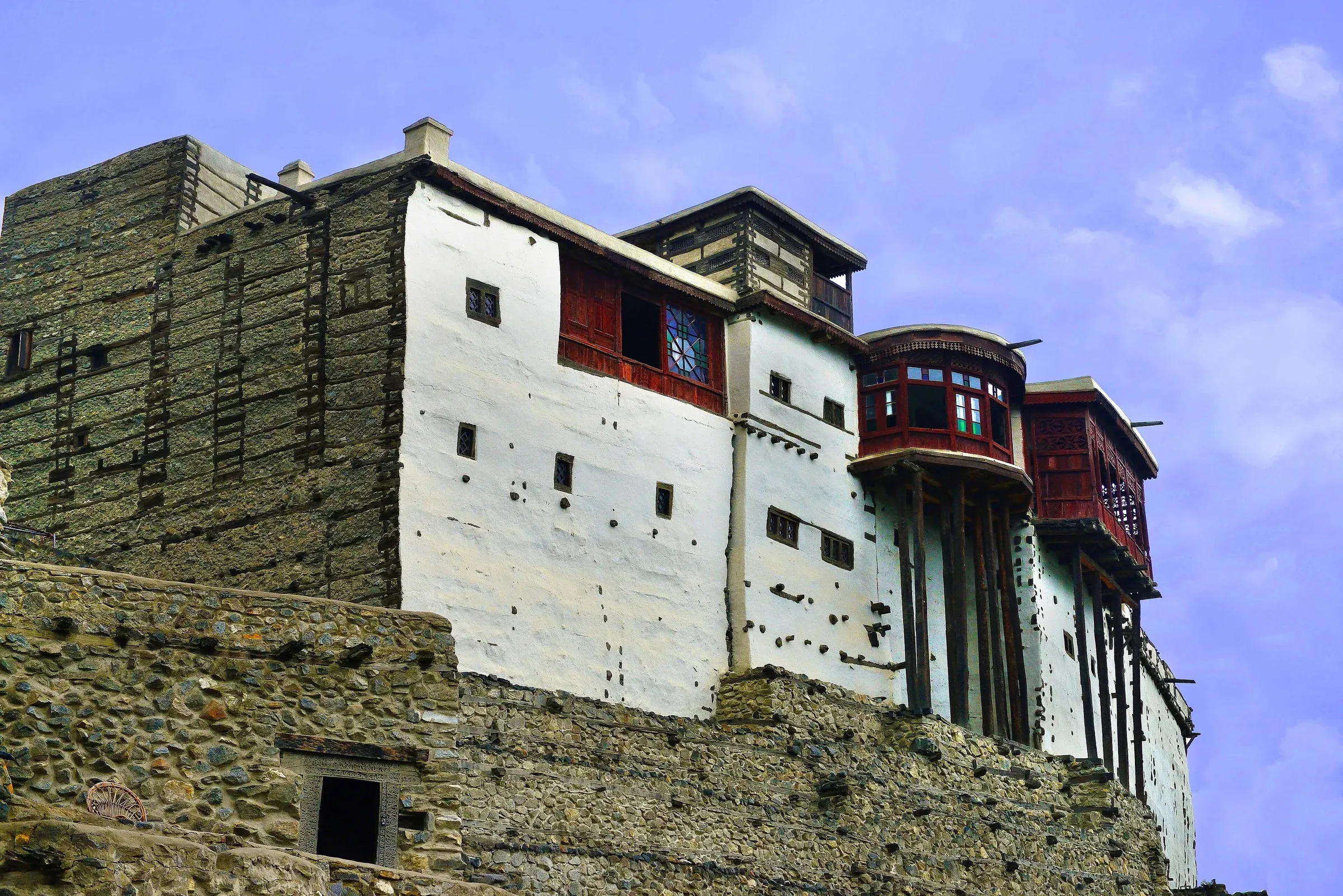
HunzaPakistan · Ismaili from the early 19th centuryMountain valley in the Karakoram, formerly a princely state ruled by Mirs from Baltit, whose population became Nizari Ismaili in the nineteenth century and looked to Aga Khan III.
IsfahanIran · 1070s–1107The Saljuq capital where 'Abd al-Malik b. 'Attash ran the secret Ismaili da'wa of Persia, where Hasan-i Sabbah began his career, and where Nizaris held the castle of Shahdiz until its fall in 1107.
KahakIran · c. 1680–1815Village in central Iran north-west of Mahallat, seat of the Nizari Ismaili Imams from about 1700 and birthplace of Aga Khan I; site of the mausoleum of Shah Nizar II.
- KampalaUganda · Ismaili jamat from the early 20th century to 1972, and afterCapital of Uganda, seat of the Uganda Ismaili council and one of the installation cities of Aga Khan IV in 1957; its Asian community, including its Ismailis, was expelled by Idi Amin in 1972.
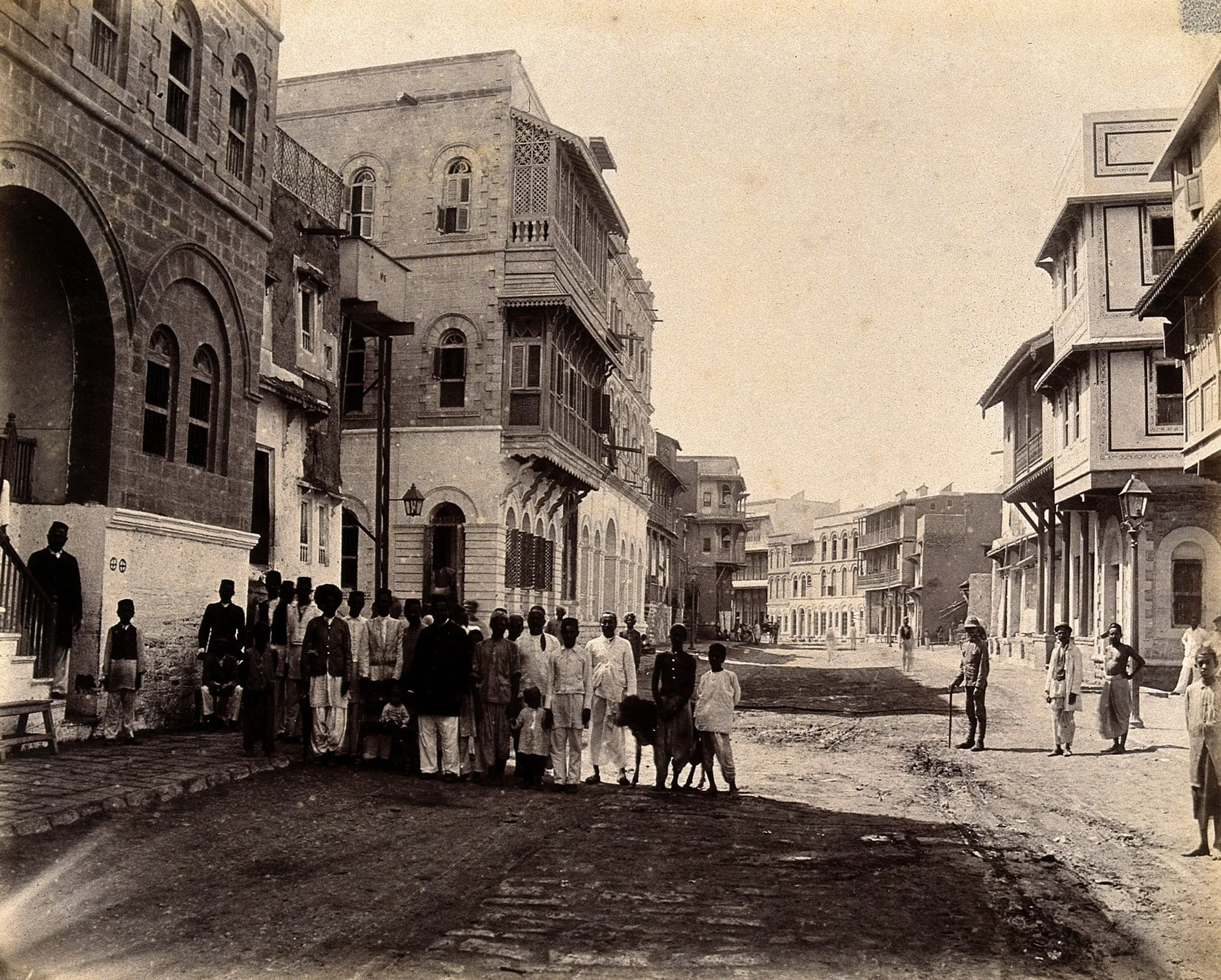
KarachiPakistan · Ismaili centre from the 19th centuryPort city of Sind, birthplace of Aga Khan III in 1877, a site of the Platinum Jubilee of 1954-55, one of the installation cities of Aga Khan IV and seat of the Aga Khan University.
KarbalaIraq · 680–presentPlain west of the Euphrates where al-Husayn b. Ali was killed on 10 Muharram 61/680; site of his shrine and one of the four Shi'i shrine cities of Iraq.
Kathiawar (Saurashtra)India · 17th century–presentPeninsula of western Gujarat where Satpanth spread among Lohana and other castes, home of Hasan Pir's shrines and of Khoja emigrants to East Africa.
KermanIran · c. 1720–1841City and province in south-eastern Iran where the Nizari Ismaili Imams lived, governed and fought in the eighteenth and nineteenth centuries, from Shah Nizar II's followers to Aga Khan I.
KhorogTajikistan · Capital of Gorno-Badakhshan since 1925Town on the Panj at the mouth of the Gunt valley, capital of Tajikistan's Gorno-Badakhshan region, the main centre of the Pamiri Ismailis and seat of the University of Central Asia's first campus.
KufaIraq · 638–presentGarrison city on the Euphrates founded in 17/638, Ali's capital, home of the early Shi'a and of the first Ismailis, and target of the Qarmatis in the 4th/10th century.
Kutch (Kachchh)India · 16th century–presentRegion between Sindh and Gujarat, bounded by the Rann: burial place of Pir Dadu, home of the Kadiwala sayyids and of Kacchi Patidar Satpanthis.
Lamasar (Lanbasar)Iran · 1096–1257The largest Nizari castle in Daylaman, west of Alamut, taken by Buzurg-Ummid in 1096, where Hasan II was killed in 1166 and which held out against the Mongols for a year after Alamut fell.
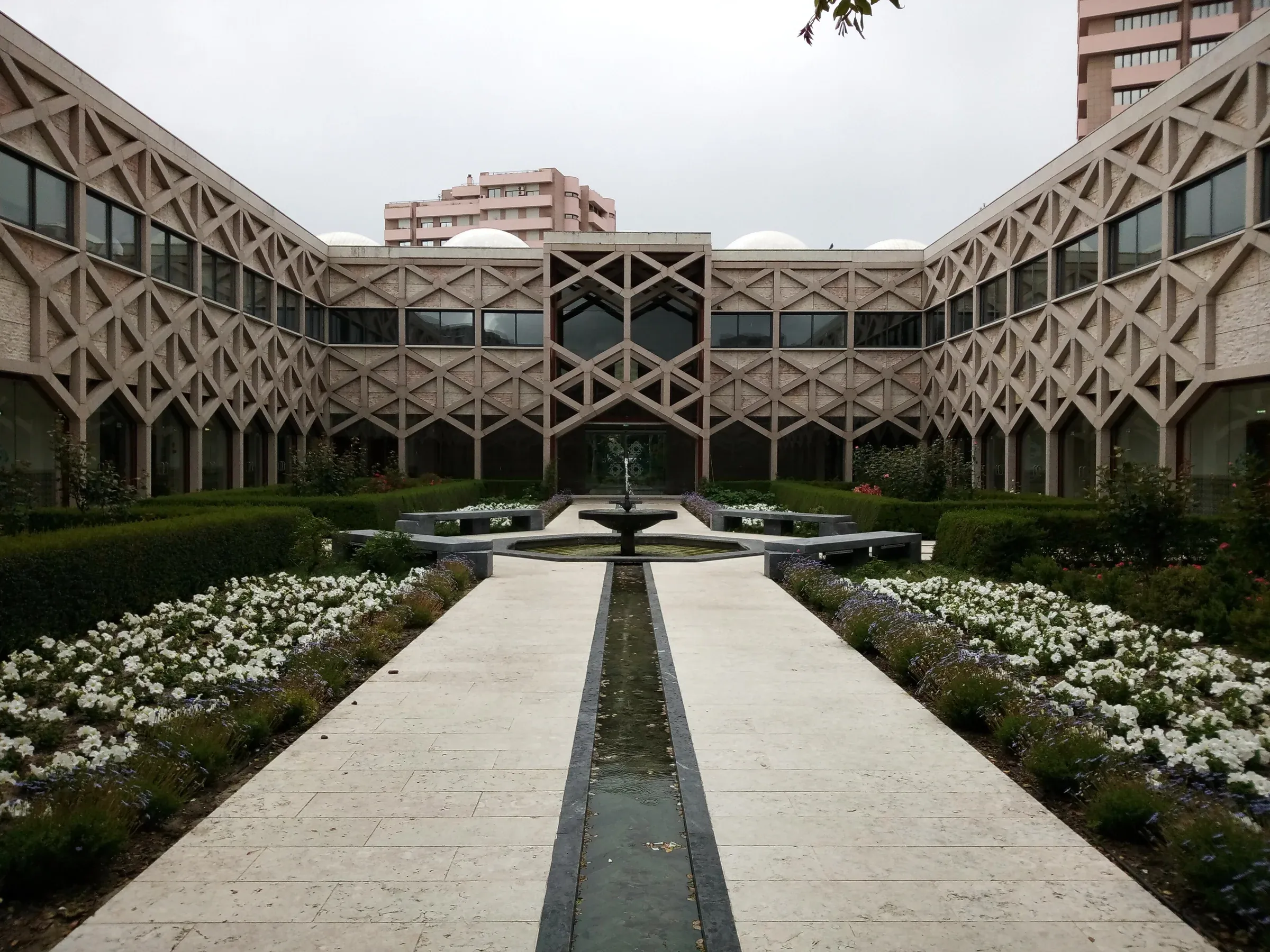
LisbonPortugal · 1970s–presentLisbon and the Ismailis: settlement from Mozambique, the Ismaili Centre (1998), the 2015 Agreement and the Seat of the Imamat (2018), the 2023 attack and the succession of 2025.
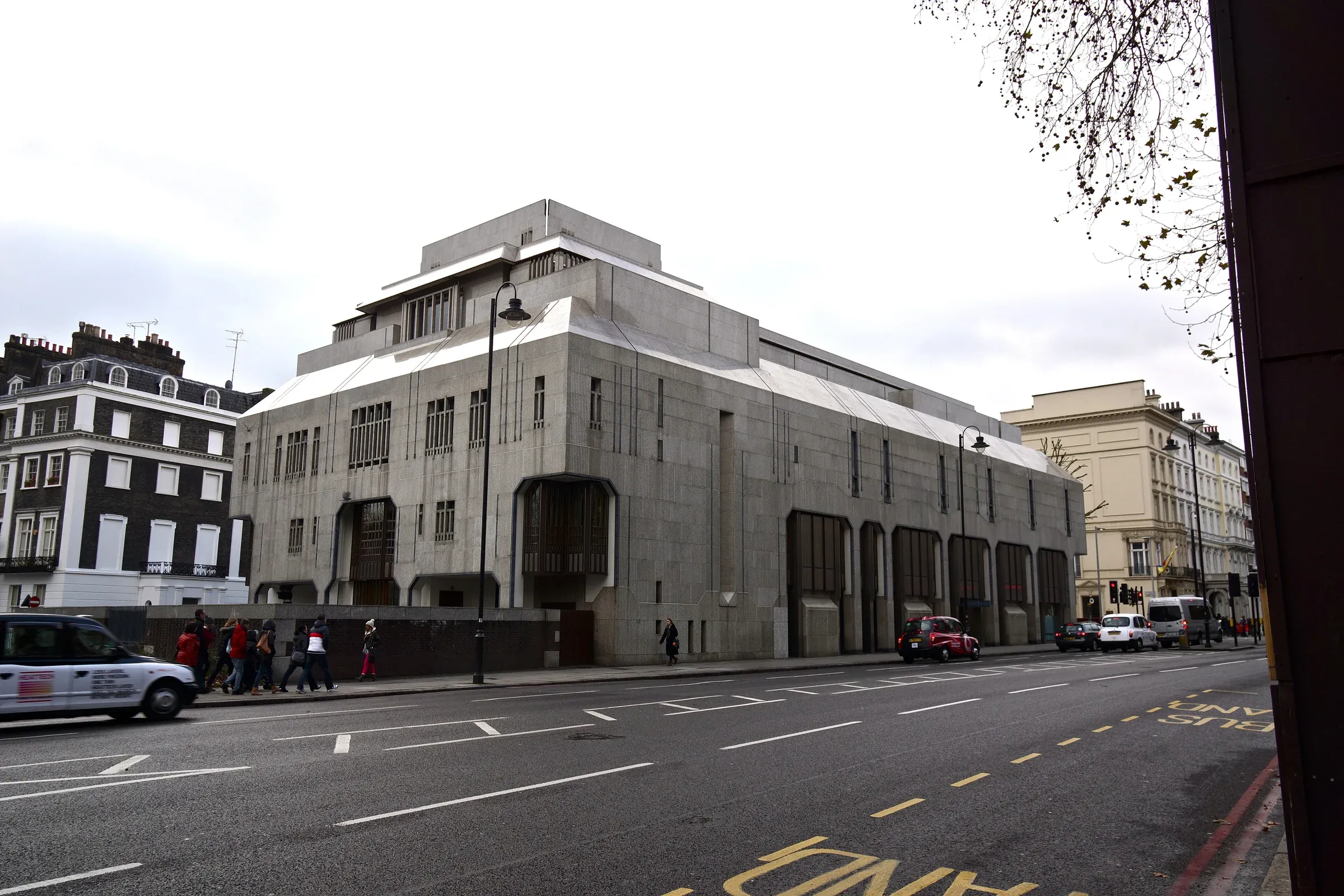
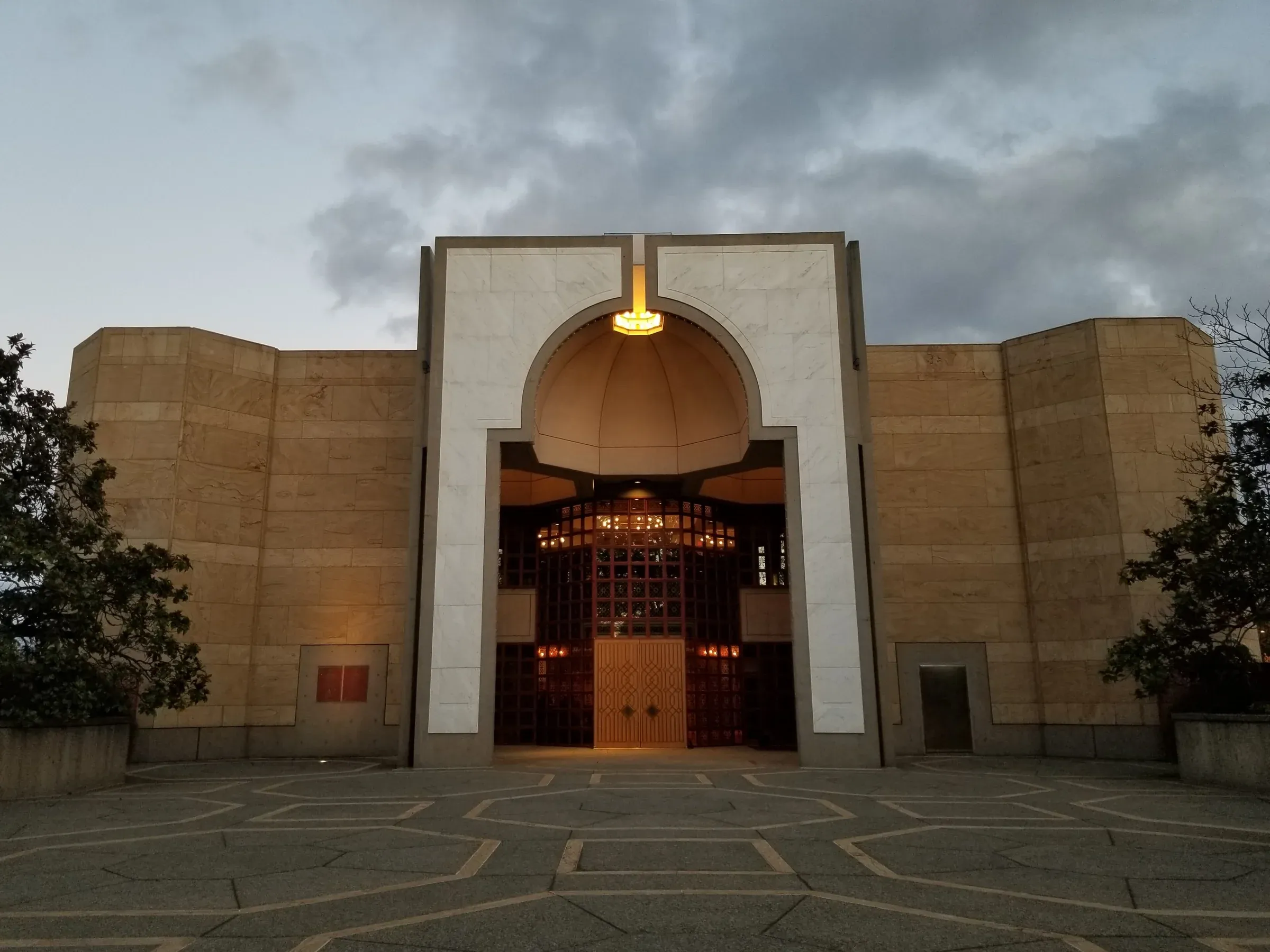
LondonUnited Kingdom · 1950s–presentLondon's Ismaili institutions: the Ismaili Centre in South Kensington (1985), the Aga Khan Centre at King's Cross (2018), and the Imamat's long ties to the British Crown and government.
MahallatIran · 15th century–1840Town in central Iran whose district held the estates of the Nizari Ismaili Imams; residence of Aga Khan I until 1840, birthplace of Aga Khan II, origin of the name Aqa Khan Mahallati.
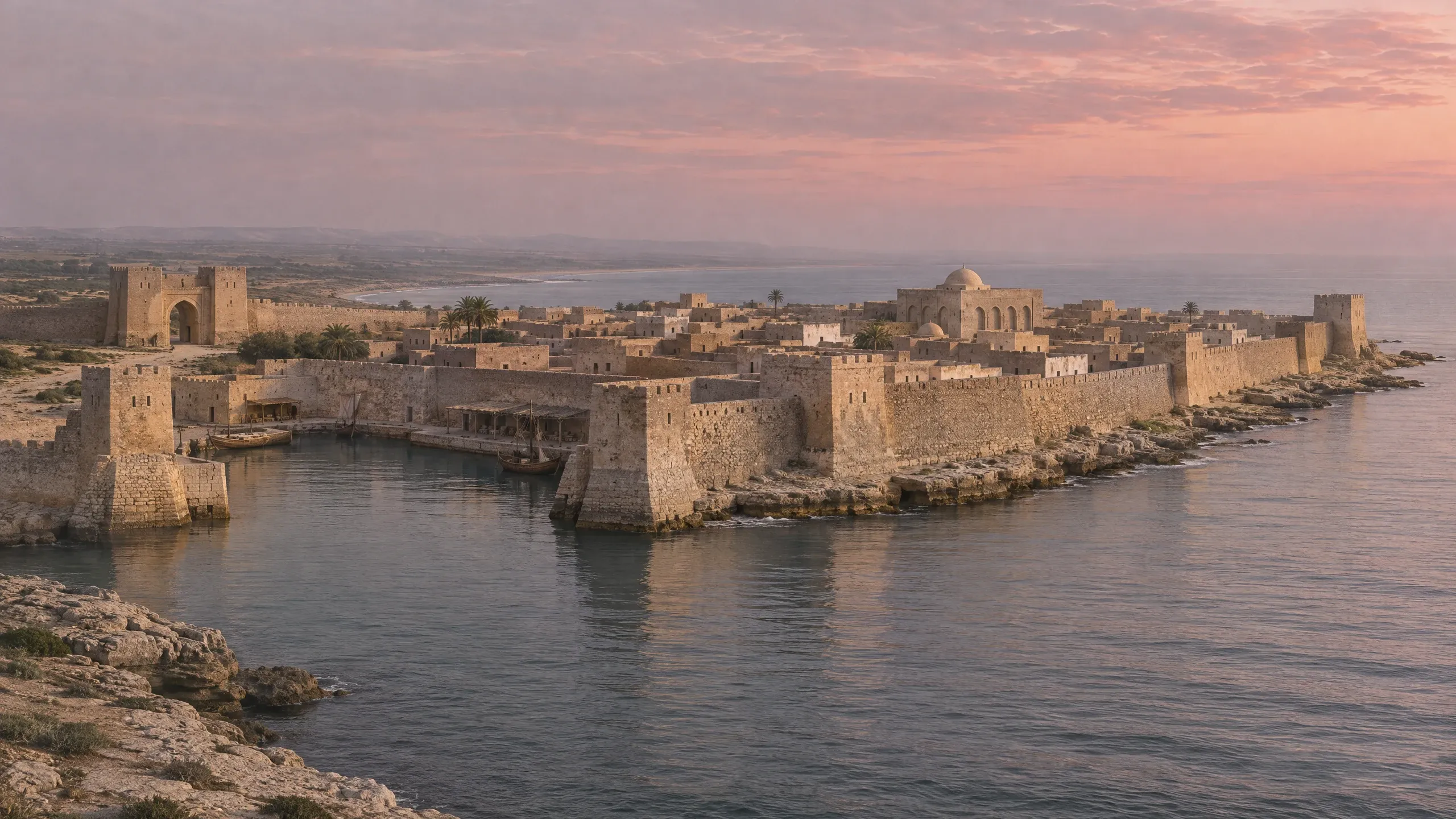
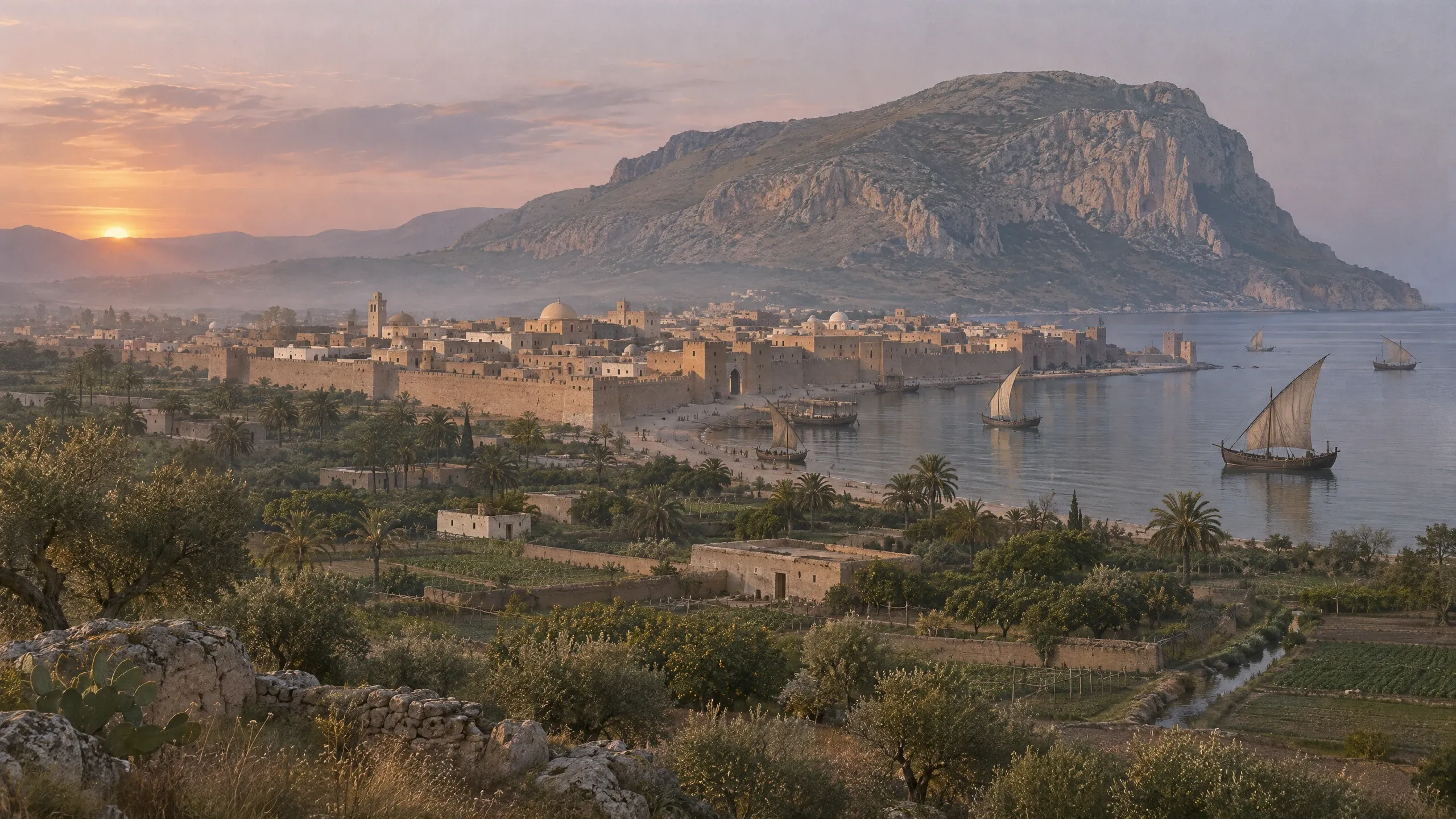
MahdiyaTunisia · Founded 912–916; Fatimid capital 921–948; Zirid refuge from 1057The fortified peninsula city on the Tunisian coast founded by Abd Allah al-Mahdi, Fatimid capital from 921 to 948, naval base for Sicily and Egypt, and refuge that withstood Abu Yazid's siege in 945.
Masyaf (Masyad)Syria · 1140–1270Castle and town west of Hama, taken by the Nizaris in 1140–41, usual seat of the chief da'is of Syria, besieged by Saladin in 1176 and taken over by the Mamluk sultan Baybars in 1270.
MedinaSaudi Arabia · 622–presentCity of the Prophet and the 'permanent domicile of the 'Alids': home of the early Imams from Ali to Ja'far al-Sadiq, and site of their graves in the Baqi' cemetery.
- MombasaKenya · Ismaili jamat from the late 19th centuryIsland port of the Kenya coast, base of the British East Africa Protectorate and starting point of the Uganda Railway, through which Khoja Ismaili traders moved from the coast into Kenya and Uganda.
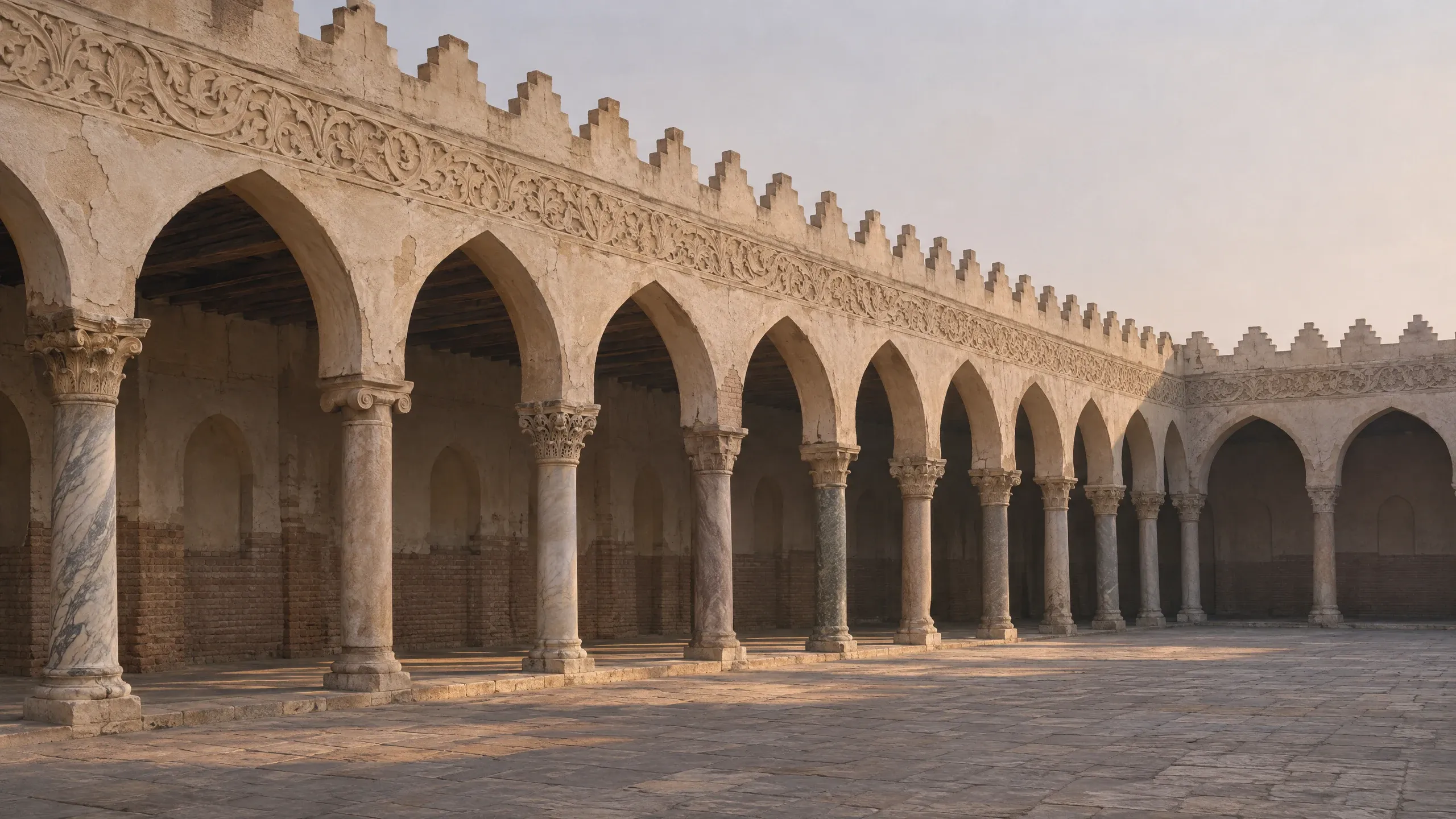
Mosque of al-AzharEgypt · Founded 970; opened 972; Fatimid congregational mosque 972–1171The congregational mosque founded by Jawhar in Cairo in 970, first mosque of the Fatimid capital, a centre of Ismaili legal teaching from 975 and of organised learning from 988.
MultanPakistan · Ismaili state c. 958–1010/1011The city in the Punjab that became the seat of an Ismaili state recognising the Fatimid caliphs from about 958 until Mahmud of Ghazna destroyed it in 1010–1011.
- NairobiKenya · Ismaili jamat from the early 20th centuryRailway town turned capital of Kenya, site of Golden Jubilee celebrations for Aga Khan III, seat of the Kenya Ismaili council and, under the 1962 constitution, of the Supreme Council for Africa.
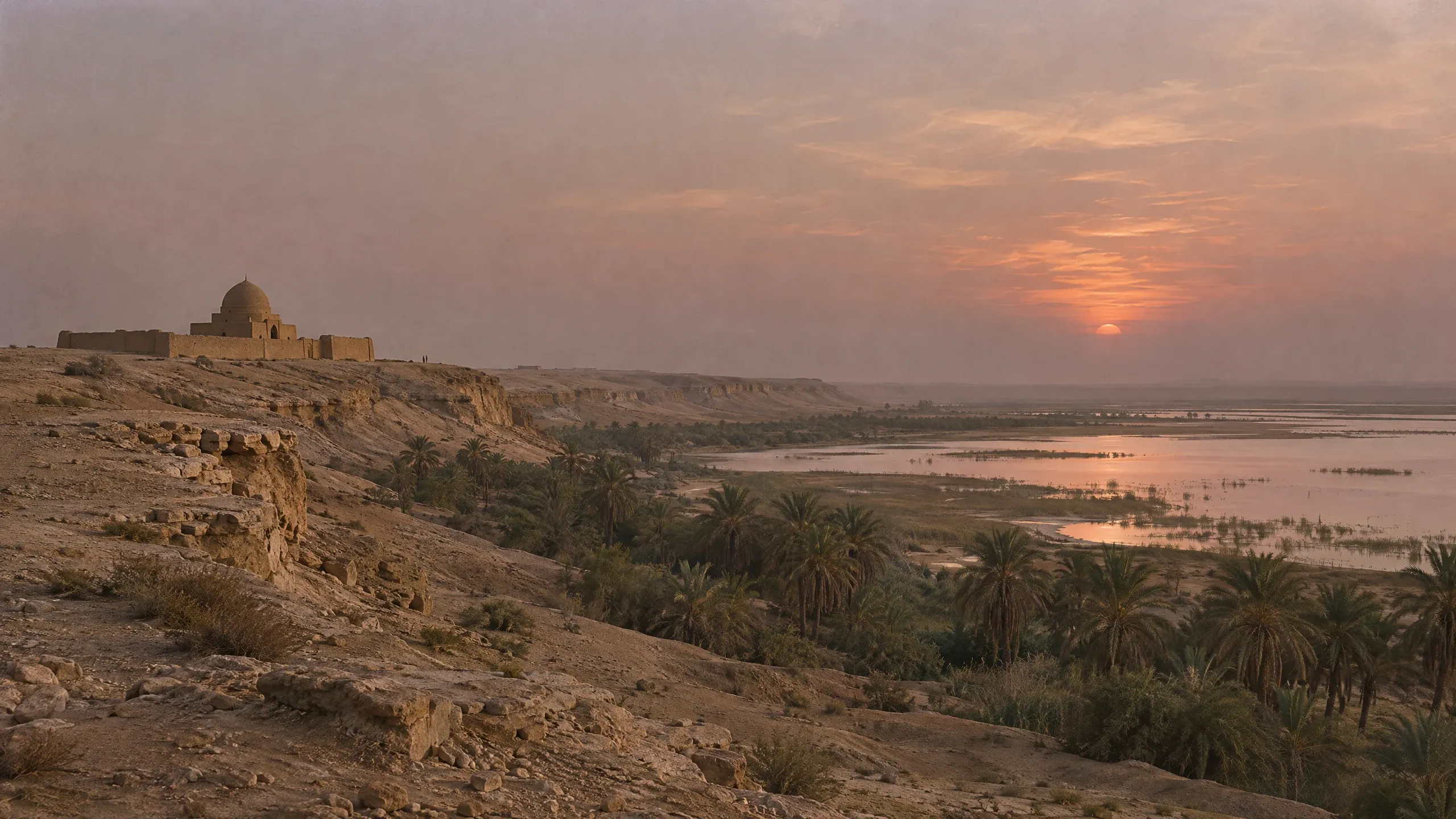
NajafIraq · 661–presentShrine city beside Kufa that grew around the grave of Ali ibn Abi Talib; the chief Shi'i pilgrimage site and, from the 5th/11th century, a centre of Shi'i learning.
PiranaIndia · c. 1500–presentVillage near Ahmadabad founded by Imam Shah, site of his mausoleum and centre of the Imamshahi Satpanth. Its identity moved from Nizari mission to Sufi shrine to a sect that now calls itself Hindu.
QadmusSyria · 1132–1273The first castle the Nizari Ismailis acquired in the Jabal Bahra', bought in 1132, often the residence of the Syrian chief da'is and later of the Nizari amirs, and still home to a Nizari community.
QandaharAfghanistan · 1841–1842City in southern Afghanistan where Aga Khan I took refuge in 1841–1842 after leaving Persia, allied himself with the British during the First Anglo-Afghan War and received his followers.
Quhistan (Kuhistan)Iran · 1091–1256Mountain region of south-eastern Khurasan (Qa'in, Tun, Tabas) that rose for the Nizaris in 1091–92, was ruled by a muhtasham from Alamut, and lost some 12,000 Nizaris to massacre in 1257.
RaqqadaTunisia · 876 – mid-10th century; Fatimid seat 909–921The Aghlabid palace city outside Qayrawan, taken by the Kutama in March 909, where Abd Allah al-Mahdi was proclaimed caliph in January 910 and which served as the first Fatimid residence in Ifriqiya.
Rudbar (Daylaman)Iran · 1090–1256Highland district of Daylam around the Alamut and Shahrud valleys, heartland of the Nizari state, guarded by castles such as Alamut, Lamasar and Maymundiz until the Mongols razed them in 1256.
Sabra al-MansuriyyaTunisia · 947/948 – 1057; Fatimid capital 948–973The elliptical palace city built by the Fatimid caliph al-Mansur outside Qayrawan after 947, capital of the dynasty until 973 and of the Zirids until 1057.
SalamiyyaSyria · 3rd/9th century–presentTown on the edge of the Syrian desert south-east of Hama: secret headquarters of the hidden Ismaili Imams in the 3rd/9th century, refounded by Syrian Nizaris in the 1840s.
Shahr-i BabakIran · c. 1740–1841Town in Kerman province, between Rafsanjan and Sirjan, where the Nizari Ismaili Imams lived and held a fortress from the 1740s; base of Aga Khan I's last campaign in Persia.
SicilyItaly · Fatimid province 909–948; Kalbid amirate c. 948 – mid-11th centuryThe Mediterranean island inherited by the Fatimids from the Aghlabids in 909, governed for them by the Kalbid amirs of Palermo from 948 and used as a base for war and diplomacy with Byzantium.
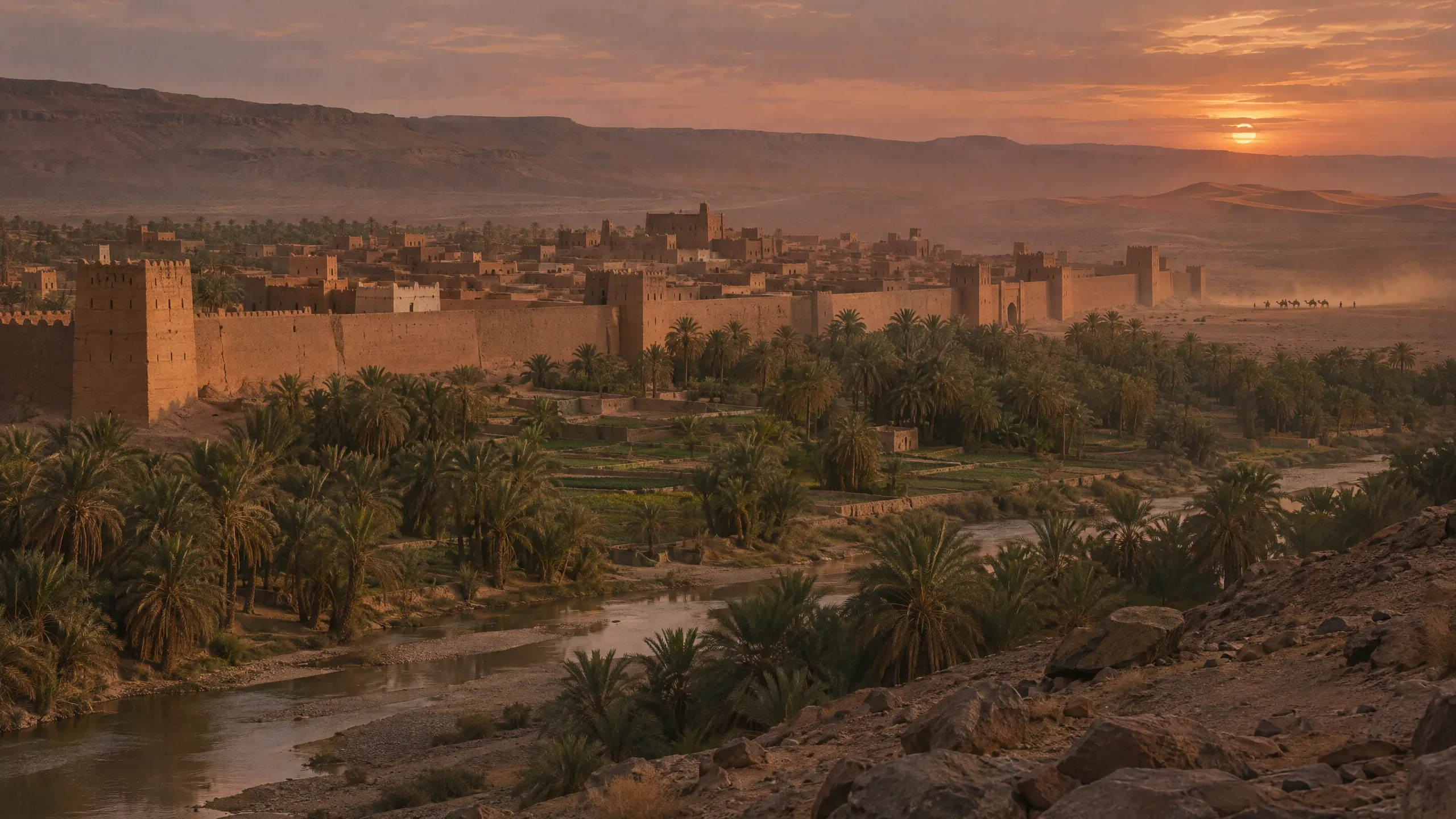
SijilmasaMorocco · c. 757 – 14th century; Fatimid episodes 905–909, 921, 958The Saharan caravan city in the Tafilalt where Abd Allah al-Mahdi lived in hiding from 905 to 909 and was proclaimed the first Fatimid caliph.
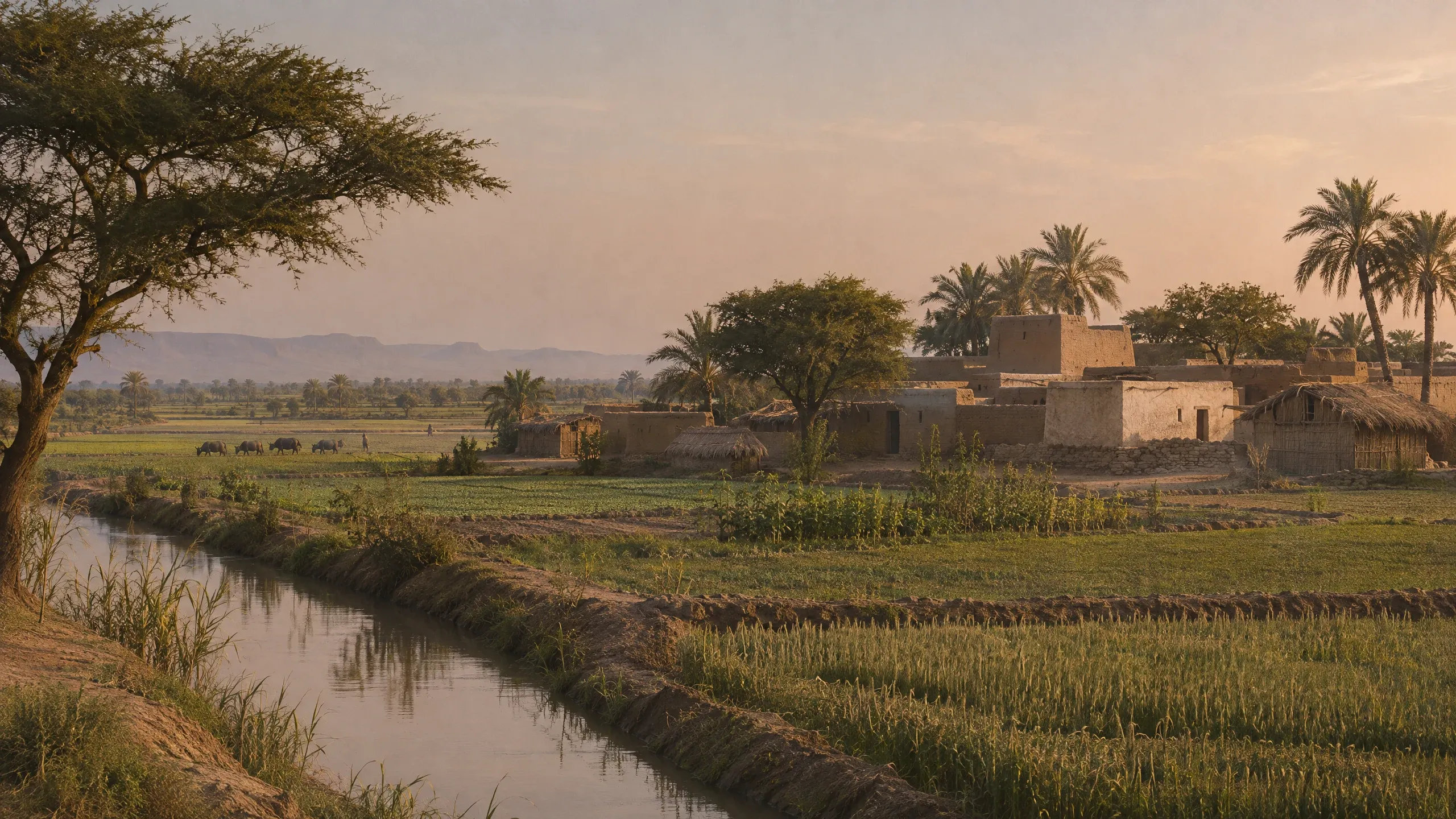
SindhPakistan · 10th century–presentThe lower Indus region where Ismailism ruled at Mansura and Multan, where the Sumras of Thatta adopted it, and where the Satpanth pirs, the first jamatkhana and the Khoja community took shape.
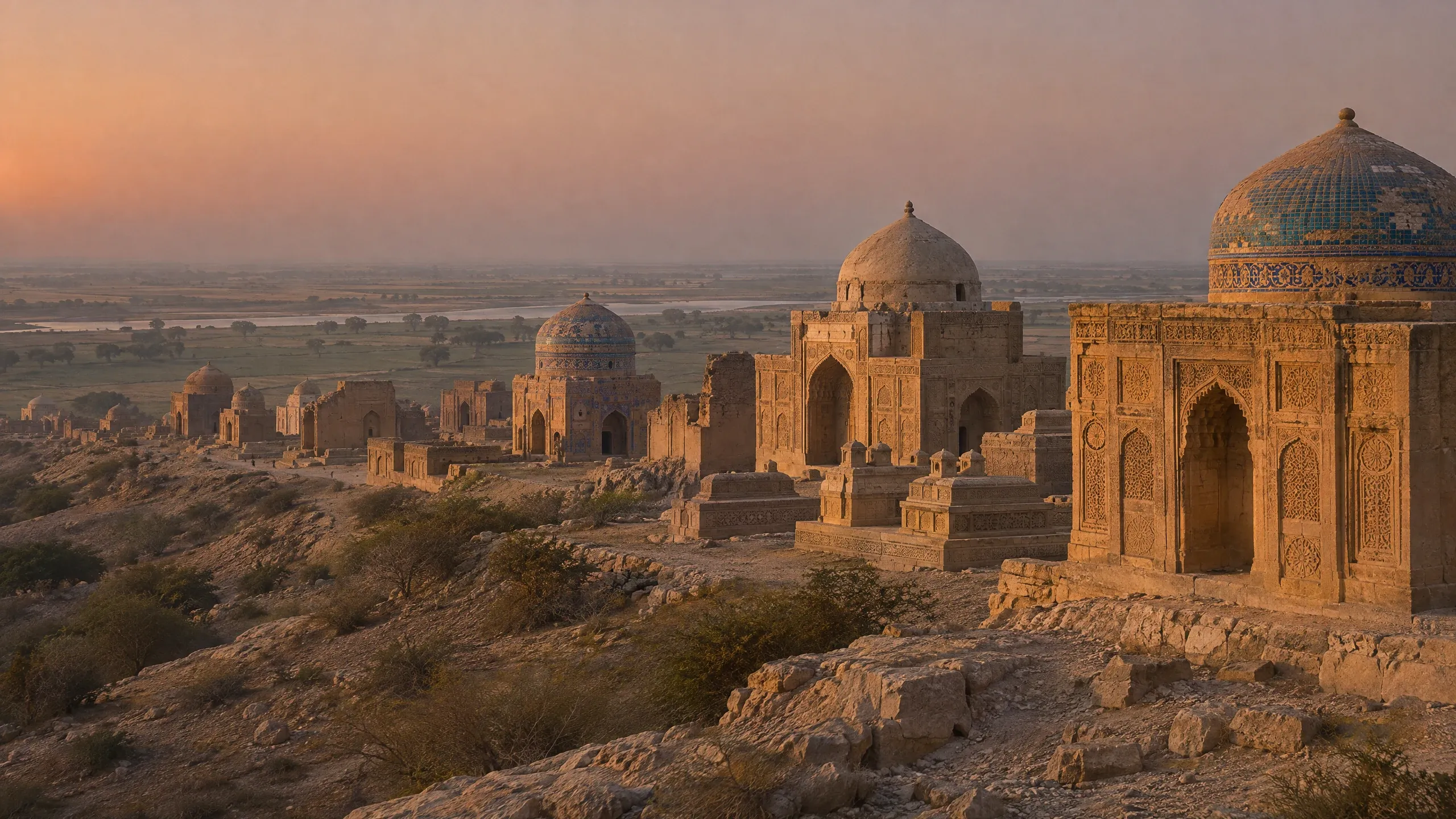
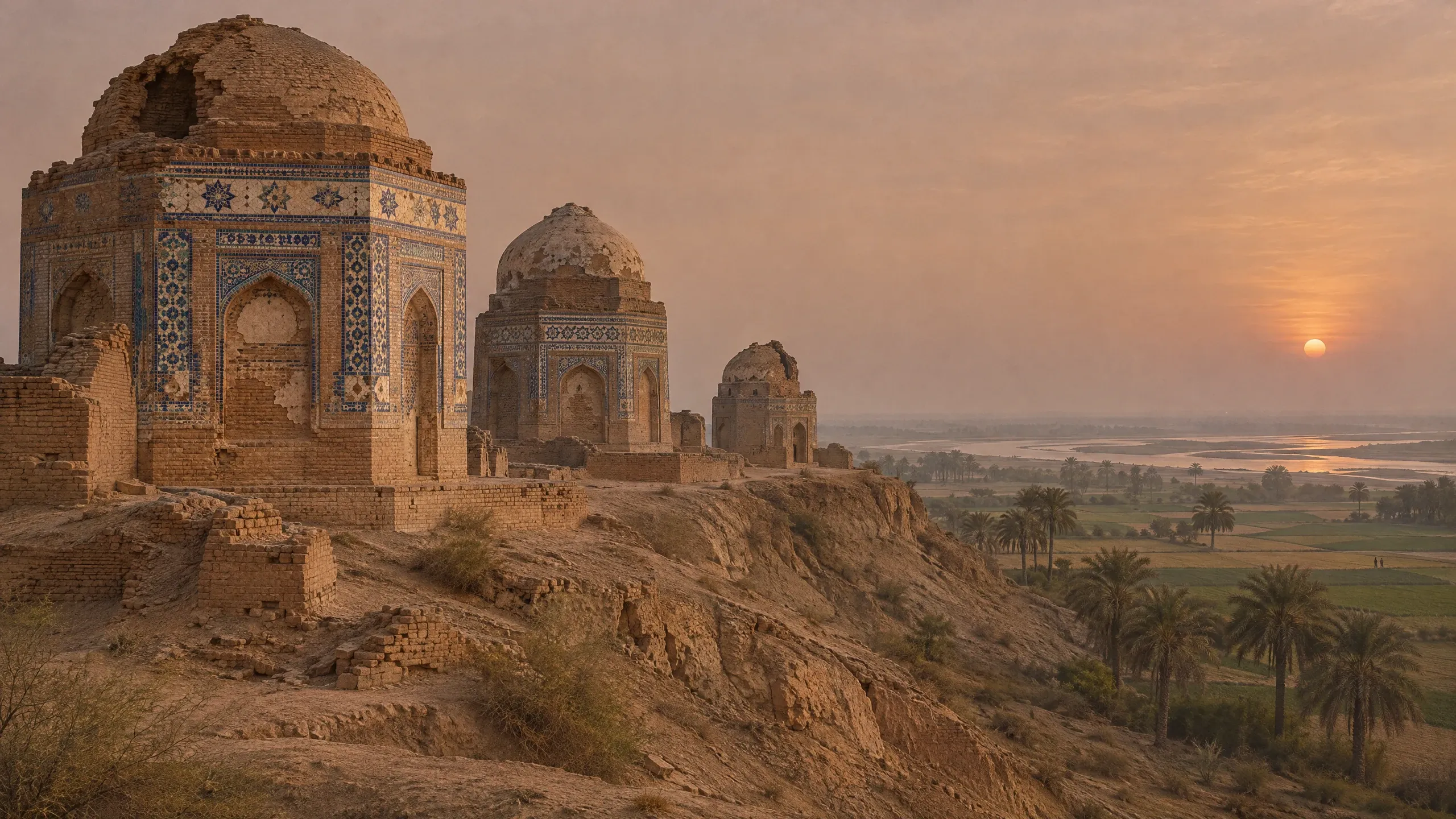
ThattaPakistan · 11th–17th centuriesCapital of Lower Sindh under the Sumras, who followed Ismailism, and later under the Sunni Sammas. Beside it lies the Makli necropolis, a UNESCO World Heritage Site.
TorontoCanada · 1970s–presentToronto and the Ismailis: the Wynford Drive site, the Ismaili Centre and Aga Khan Museum (2014), the Aga Khan Park (2015) and Generations Toronto (2026).
Uch (Uchchh, Uch Sharif)Pakistan · 12th–16th centuries (Satpanth seat)Town south of Multan, seat of the Satpanth da'wa under Pir Sadr al-Din and Pir Hasan Kabir al-Din, and a major centre of the Suhrawardi and Qadiri Sufi orders.
VancouverCanada · 1972–presentVancouver and Burnaby: Ugandan Ismaili refugees from 1972, the Ismaili Centre in Burnaby (1985), the first in North America, and the 2026 Generations housing projects.
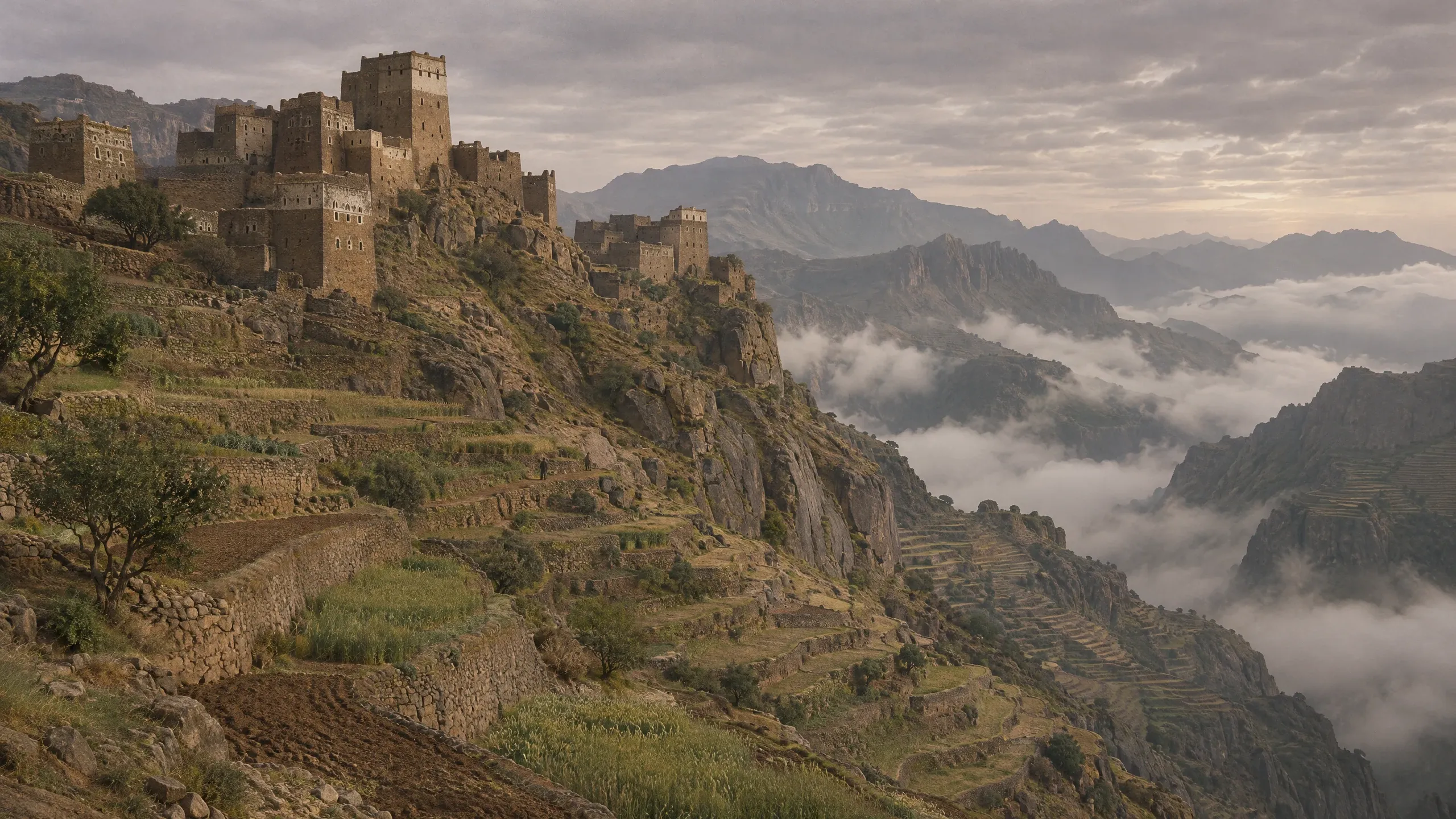
YemenYemen · 881–presentSouth-west Arabia, where Ibn Hawshab and 'Ali b. al-Fadl founded the Ismaili da'wa in 268/881; later home of the Sulayhids and the Tayyibi da'wa.
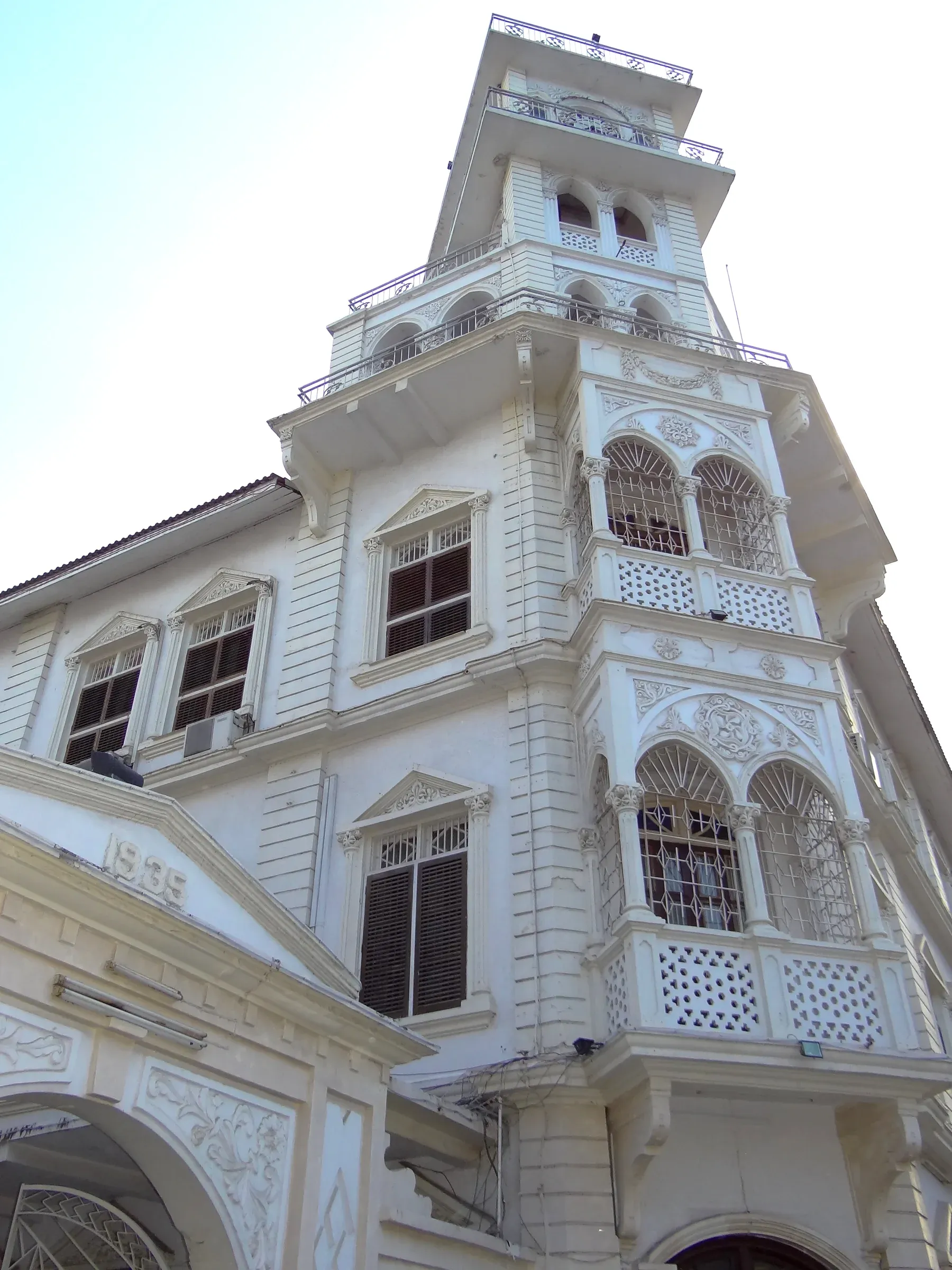
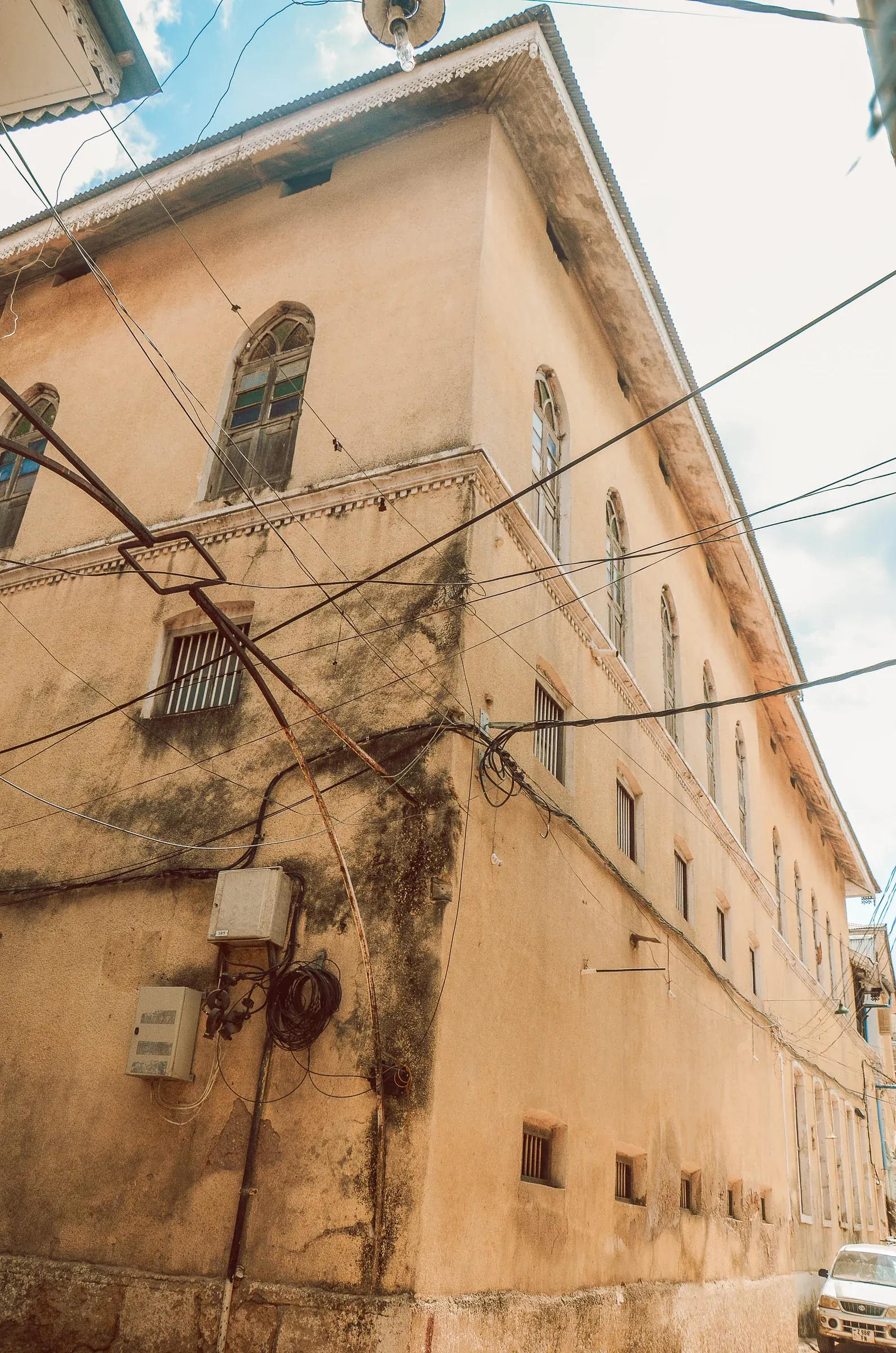
ZanzibarTanzania · Ismaili jamat from the 1820s-1830sIsland capital of the Omani sultans and first African home of the Khoja Ismailis: jamatkhana by 1838, the first East African Ismaili constitution in 1905 and the first Indian girls' school.